reshoring
(4)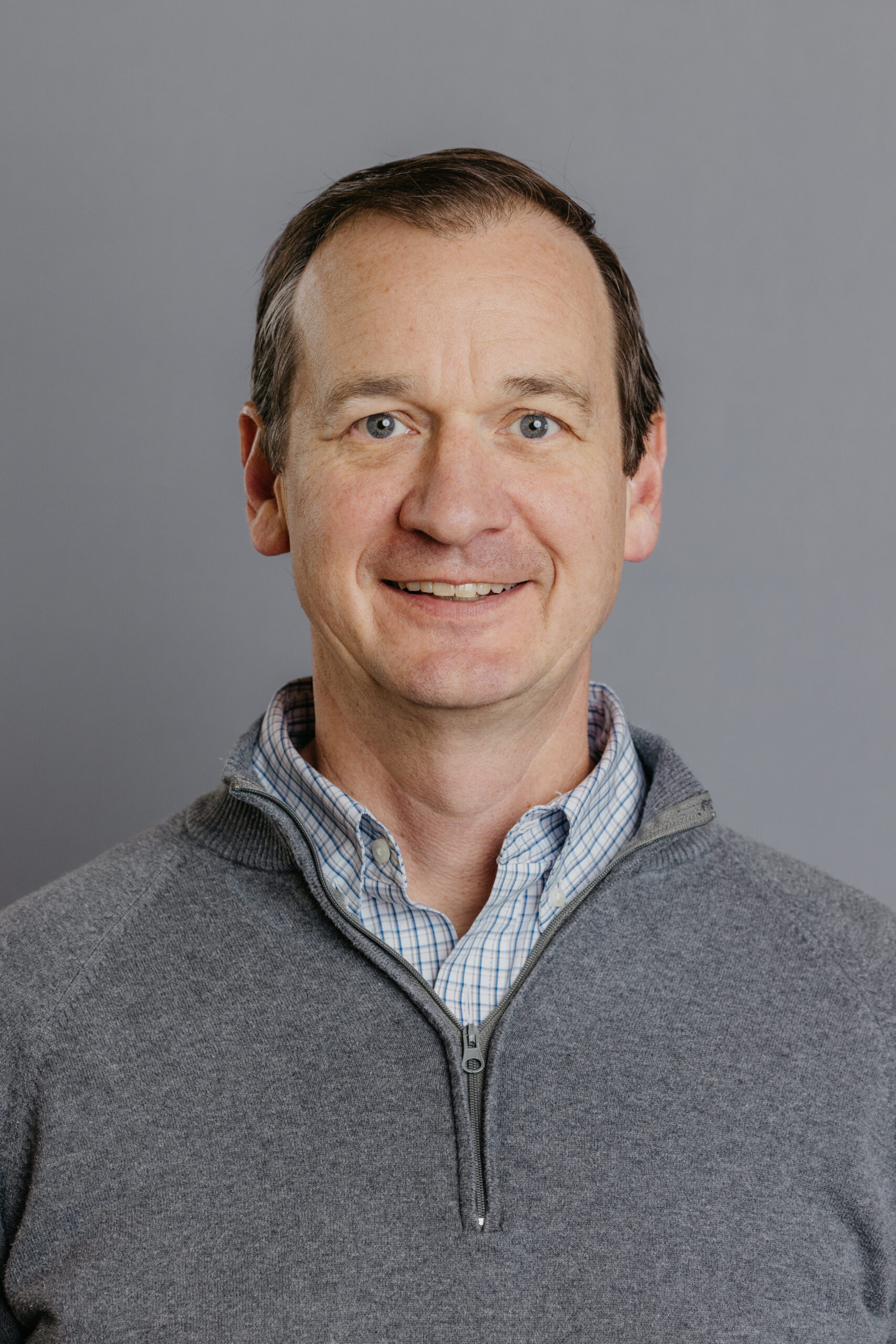
Bret Boyd Is Building the Missing Switchboard for American Manufacturing
After four Iraq deployments and a career spent watching organizations wrestle with change, the Sustainment co-founder has chosen an unglamorous but consequential target: the friction keeping 250,000 American manufacturers apart.

Brenden Prins-McKinney
Brenden Prins-McKinney is the co-founder and CEO of Duranium (YC S25), an Alameda, California company working to bring critical light metal production - titanium, magnesium, aluminum, zirconium and hafnium - back to American soil. A Stanford Law graduate and Knight-Hennessy Scholar with a research background at McKinsey and a stint as a Goldman Sachs banker, he advised the Department of Defense on reshoring critical chemical production before deciding to build the supply chain himself. He pairs a policy-and-finance brain with chemistry borrowed from the 1950s, modernized so the U.S. can make metals it currently buys almost entirely from China and Russia.
James Crean
James Crean is the co-founder and Chief Visionary Officer (also serving as President/CTO) of CREAN Inc, an Austin, Texas aerospace engineering and smart factory firm he started in 2002 with his wife Jennifer. A former satellite systems engineer and program manager at Hughes Space & Communications and Boeing - where he worked on DirecTV, NASA's TDRSS and other communications and weather satellites, and built the Lean Six Sigma group for Boeing Satellites - Crean now leads a team of 600-plus aerospace and defense engineers and champions CREAN's AI-enabled Smart Factory Operating System (SFOS), which aims to make American high-mix manufacturing fast, flexible and competitive enough to bring production home from overseas.
James DeMuth
James DeMuth is the co-founder and CEO of Seurat Technologies, a Wilmington, Massachusetts metal additive manufacturing company chasing a single audacious goal: printing metal parts fast and cheap enough to compete with mass production, then planting factories next to the customers who need them. He co-invented Seurat's Area Printing technology while working on laser fusion research at Lawrence Livermore National Laboratory, holds a hand in roughly 145 patents, and has raised more than $181 million to reshore manufacturing and cut carbon out of how metal gets made.