public-intellectual
(8)
Scott Alexander Built a Public Square for People Who Prefer Footnotes to Factions
For more than a decade, the psychiatrist behind Slate Star Codex and Astral Codex Ten has made uncertainty readable - then invited the readers to argue back.

Michael Lind
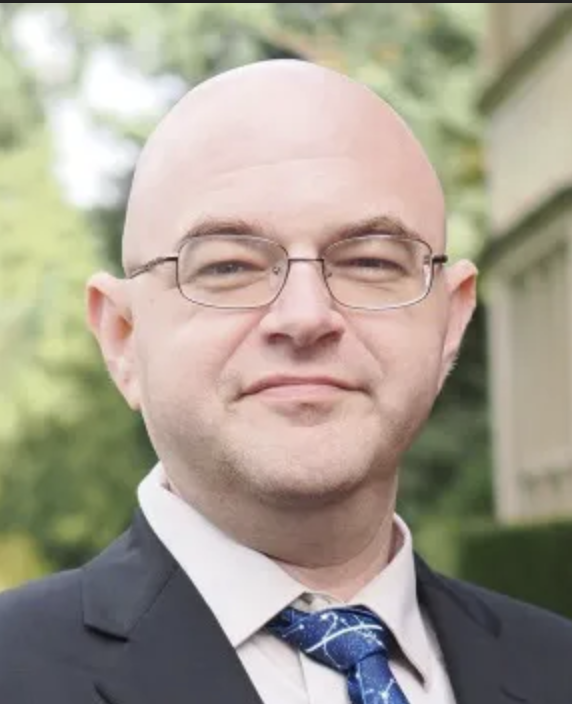
Michael Lind is an American writer, columnist, and professor who has spent three decades refusing to sit in either political team's section. A fifth-generation Texan who began on the right at the Heritage Foundation and migrated toward New Deal economic nationalism, he co-founded the New America Foundation in 1999, wrote for The New Yorker, Harper's and The New Republic, and now teaches at the LBJ School at UT Austin while writing a column for Tablet. He is the author of more than a dozen books, including The New Class War, Land of Promise and Hell to Pay, all of them circling one question: who actually runs the country, and what do they owe the people who don't.
Tyler Cowen
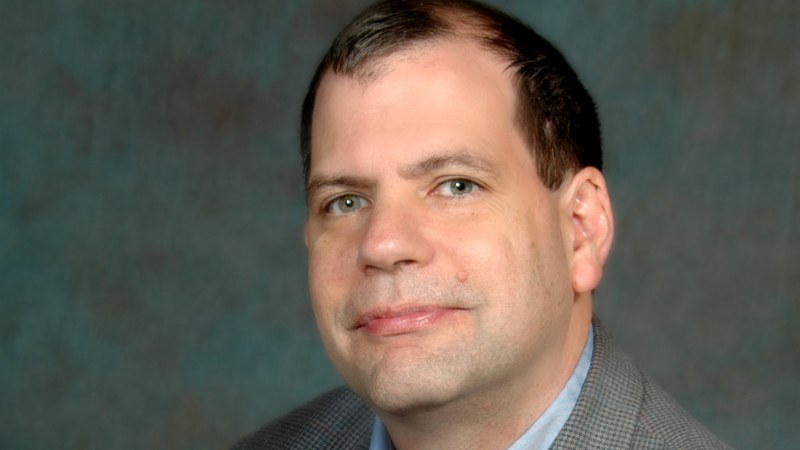
Tyler Cowen is an American economist, author, and public intellectual who has turned relentless curiosity into a public utility. He is the Holbert L. Harris Professor of Economics at George Mason University and chairman of the Mercatus Center, the co-author of the long-running economics blog Marginal Revolution, the host of the Conversations with Tyler podcast, and the founder of Emergent Ventures, a grant program that has funded more than 1,000 ambitious people worldwide. Across books like The Great Stagnation, Stubborn Attachments, and Talent, he argues that sustained economic growth is a moral imperative and that the rarest resource of all is context.

Will Stancil
Will Stancil is a civil rights attorney and research fellow at the University of Minnesota Law School's Institute on Metropolitan Opportunity, known for his prolific and combative presence on social media - dubbed by Slate as 'the most harassed man in the history of Twitter.' A specialist in housing policy, school segregation, and metropolitan governance, Stancil gained national attention in 2023 defending Biden-era economic narratives against 'vibecession' framing, ran for Minnesota state legislature in 2024, and emerged in 2026 as a visible organizer documenting ICE operations in Minneapolis. His mix of rigorous policy research and relentless online engagement has made him one of the most recognizable progressive voices in American digital politics.
Jordan Peterson
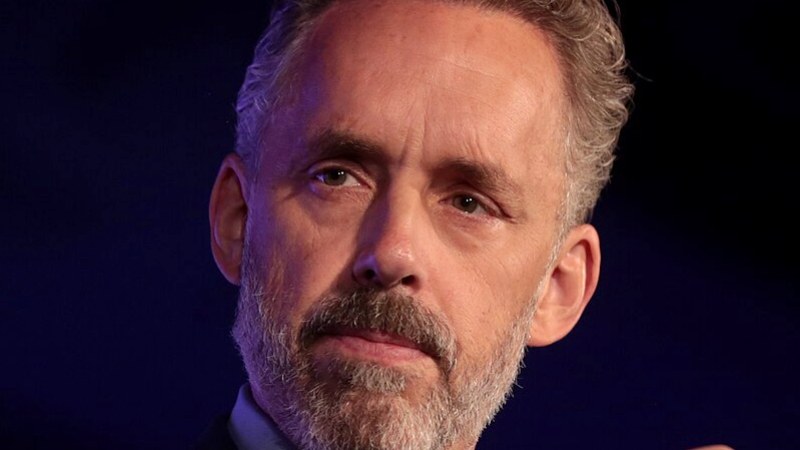
Jordan Peterson is a Canadian clinical psychologist, Professor Emeritus at the University of Toronto, and one of the most widely read and debated public intellectuals of his generation. Known for his books '12 Rules for Life' and 'Beyond Order' - which together sold over 7 million copies - and a YouTube channel with over 8.8 million subscribers, he blends Jungian psychology, evolutionary biology, and Biblical narrative into a framework for personal responsibility and meaning. He co-founded Peterson Academy in 2024, an online education platform with 72,000 students, and hosts 'The Jordan B. Peterson Podcast,' which has surpassed 150 million downloads.

Gary Marcus
Gary Marcus is a cognitive scientist, author, and AI critic who has spent 25 years arguing that deep learning alone cannot produce genuine intelligence. A NYU professor emeritus, founder of Geometric Intelligence (acquired by Uber), and co-founder of Robust.AI with Rodney Brooks, he runs the Substack newsletter 'Marcus on AI' with over 103,000 subscribers. His books 'Rebooting AI' and 'Taming Silicon Valley' are essential texts for understanding what current AI systems can and cannot do. He testified before the U.S. Senate alongside Sam Altman in May 2023, calling for strict AI regulation.
Tom Pepinsky
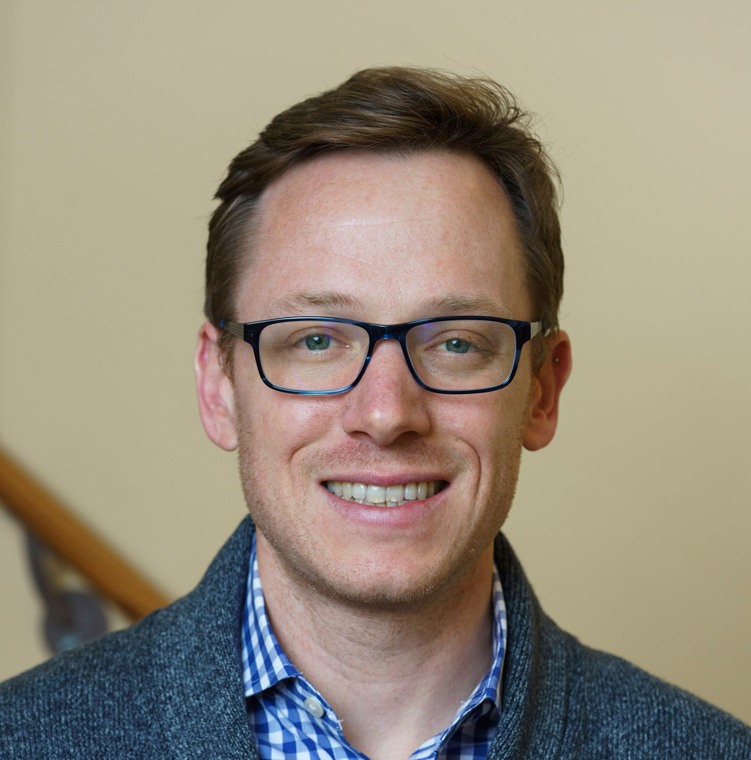
Tom Pepinsky is the Walter F. LaFeber Professor of Government and Public Policy at Cornell University and a Nonresident Senior Fellow at the Brookings Institution. A specialist in Southeast Asian comparative politics, democratic backsliding, and political economy, he is best known for his viral 2017 essay 'Everyday Authoritarianism is Boring and Tolerable,' which warned Americans that authoritarian erosion looks mundane from the inside. Fluent in Indonesian, he has written five books spanning Indonesian and Malaysian politics, COVID-19 partisanship, and global democratic challenges. His Substack newsletter, launched in 2025, continues his two-decade tradition of public-facing analysis at the intersection of academic rigor and accessible political commentary.
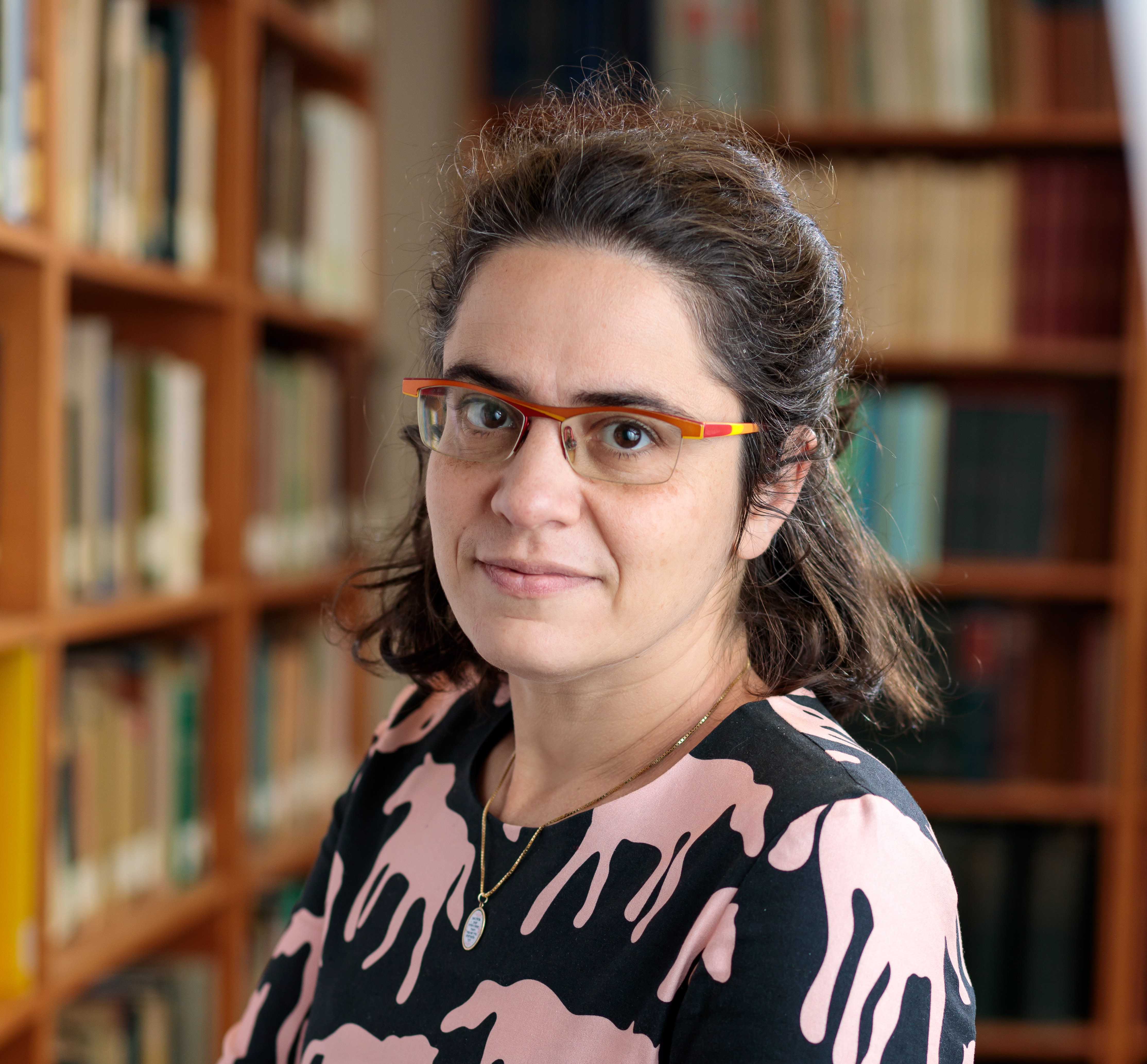
Agnes Callard
Agnes Callard is a philosopher at the University of Chicago whose work sits at the rare intersection of rigorous academic thought and genuine public provocation. Author of 'Aspiration: The Agency of Becoming' (2018) and 'Open Socrates: The Case for a Philosophical Life' (2025), she argues that Socratic open inquiry - the willingness to be persuaded by better reasons - is not just for intellectuals but for everyone. A Guggenheim Fellow and Lebowitz Prize winner, she writes for The New Yorker, The New York Times, and The Point Magazine, runs the Night Owls public debate series in Chicago, and co-hosts the 'Minds Almost Meeting' podcast with economist Robin Hanson. Known for contrarian takes ('The Case Against Travel'), deeply personal essays, and a living arrangement that keeps her ex-husband as a co-resident, Callard treats philosophy not as a career but as a way of life.