property-insurance
(6)
The 50-Year-Old Warranty Program Selling Alberta Builders Something Pricier Than Insurance: Trust
A voluntary builder pact became part insurer, part referee and part trade school. Its most useful product may be the feedback loop that catches expensive construction problems before they multiply.
Mangrove Bet Its Own Money on Florida - Then Built a $111 Million Storm Shield
Florida home insurance has punished tourists, homeowners and insurers alike. Mangrove's answer is a selective book of business, local agents and layers of capital built to survive the weather rather than wish it away.
People's Trust Insurance Company
Most insurers pay a claim and wave goodbye. People's Trust built its own construction company so it could show up with trucks instead.

Slide
Slide became one of Florida's largest home insurers by doing the unfashionable work of pricing hurricane risk - then pairing old-school agents with a very modern data engine.

Eventual
Eventual is a New York-based climate fintech that helps American property owners escape the whiplash of rising home insurance costs. Its flagship product, the Premium Lock Guarantee, uses AI models trained on data from 20 million homes and 150,000 commercial properties to forecast how a property's insurance premiums will move over the next several years - and reimburses homeowners when their bills climb past that forecast. Sold through a network of more than 1,000 independent insurance agents and available in all 50 states, Eventual turns unpredictable, climate-driven premium spikes into a fixed, multi-year expectation. The company raised a $7.5 million seed round in July 2025 led by AlleyCorp and Upfront Ventures.
Geolava
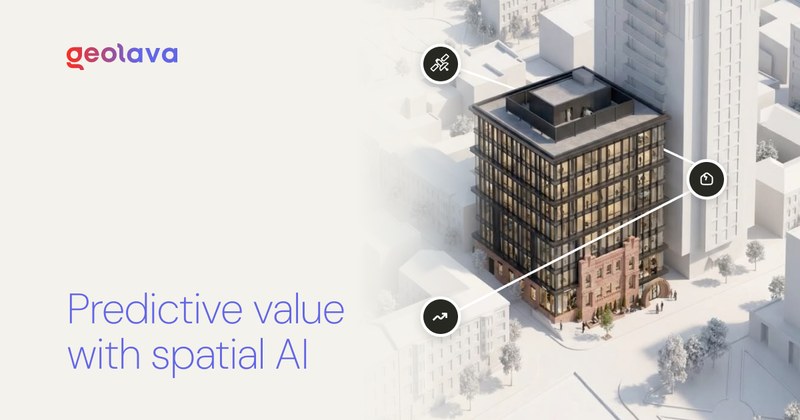
Geolava is a San Francisco startup building a world model for the built world - a spatial intelligence layer that fuses satellite, LiDAR, aerial, street-level and government data into a foundation model you can query in plain language. It lets real estate owners, investors, lenders, insurers and operators analyze, underwrite, monitor and forecast physical assets, turning slow, manual property surveying into predictive property intelligence.