premium-travel
(6)
The Airport Perk Hiding Inside 40 Million Wallets
Dragonpass turned the airport’s least lovable product - waiting - into infrastructure for bank loyalty. Its trick is not owning the lounge, but making thousands of scattered perks behave like one digital benefit.

Azamara’s Most Valuable Amenity Isn’t on the Ship
The small-ship cruise line has built its business around something bigger vessels struggle to provide: time in port. With four intimate ships, Azamara turns late nights, overnights and hard-to-reach harbors into the product.
American Airlines Is a City in the Sky - and Loyalty Is Its Most Valuable Runway
American moves more than 200 million people a year, but the seat is only the beginning. Behind every boarding pass sits a carefully timed network, a loyalty currency, a cargo hold and a century of operational bets.
American Express
American Express began by moving parcels, gold and cash. Today, its most valuable cargo may be the information flowing between cardholders, merchants and a network it controls end to end.

KEY.co
KEY.co is an Austin-based luxury travel company that reimagines the vacation rental as a hotel-grade service experience. It curates design-forward homes and pairs them with in-home services - pre-arrival grocery stocking, private chefs, in-home spa and massage, and a dedicated guest-services team - across dozens of destinations in the U.S., Caribbean, Mexico and Canada. Founded in 2014 by Kim Lalande, the company operates as a three-sided marketplace connecting travelers, property managers and local vendors, and has raised roughly $15.8M to date.
Aero
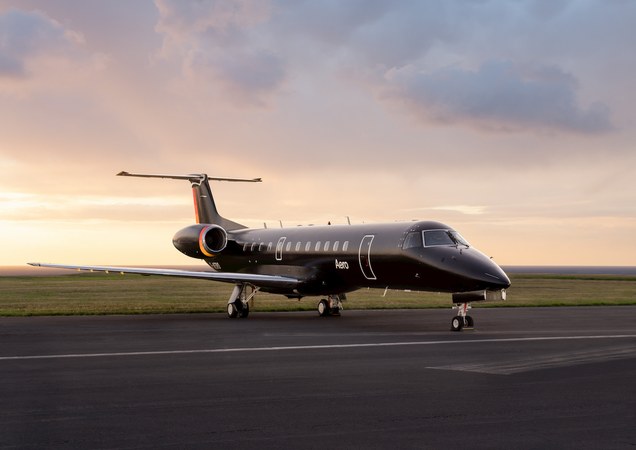
Aero is a Los Angeles-based semi-private airline that sells individual seats on custom-configured business jets, slotting itself between full private charter and commercial first class. Founded in 2019 out of Garrett Camp's Expa studio, it flies all-black Embraer ERJ-135 jets reconfigured to 16 leather seats from private terminals on routes like Los Angeles to Aspen, Los Cabos, Napa and Maui, letting guests arrive about 20 minutes before departure for fares roughly comparable to premium commercial cabins.