ovarian-cancer
(12)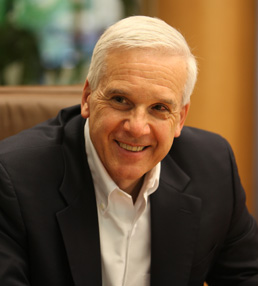
Albert Luderer
He spent thirty years turning lab science into products doctors actually use. Now he is betting that a synthetic peptide can beat the antibody at its own game.
Indi Molecular
Indi Molecular is a Culver City, California biotech developing a synthetic alternative to antibodies called Protein Catalyzed Capture (PCC) agents - small, stable cyclic peptides built with click chemistry that bind protein targets with antibody-like specificity while behaving like small-molecule drugs. Spun out of Caltech chemist James Heath's lab in 2013, the company applies its platform to targeted oncology therapeutics and PET imaging agents, aiming to reach targets long considered undruggable, including KRAS G12D pancreatic cancer and ovarian cancer.

Shorla Oncology
Shorla Oncology is a specialty pharmaceutical company based in Clonmel, Ireland, with a U.S. base in Cambridge, Massachusetts, that develops and commercializes innovative oncology drugs for orphan and pediatric cancers. Founded in 2018 by Sharon Cunningham and Orlaith Ryan, Shorla focuses on indications where existing treatments are limited, in shortage, or poorly suited to patients - reformulating and reinventing cancer therapies into easier-to-administer forms such as oral liquids and ready-to-dilute vials. The company markets four FDA-approved products in the U.S. and is advancing an early-stage pipeline addressing rare cancers.
Corcept Therapeutics
Corcept Therapeutics is a commercial-stage pharmaceutical company that discovers and develops medicines that treat severe endocrinologic, oncologic, metabolic and neurologic disorders by modulating the effects of cortisol, the body's primary stress hormone. Founded in 1998 and based in Redwood City, California, Corcept built its business on Korlym, the first FDA-approved treatment for hypercortisolism (Cushing's syndrome), and has since discovered more than 1,000 proprietary selective cortisol modulators. In 2026 it won FDA approval for Lifyorli (relacorilant) in platinum-resistant ovarian cancer, extending a single scientific idea - blocking cortisol at the glucocorticoid receptor - from a rare endocrine disease into oncology.

InterVenn Biosciences
InterVenn Biosciences is a South San Francisco biotech building an AI-driven glycoproteomics platform that reads the sugar coatings on proteins to detect disease earlier. Its flagship blood test, GlycoKnow Ovarian, distinguishes ovarian cancer from benign pelvic masses with ~86% accuracy and went commercial in 2025. Founded in 2017 by Aldo Carrascoso with chemists Carolyn Bertozzi (Nobel Laureate) and Carlito Lebrilla, the company has raised roughly $244M, including a $201M Series C led by SoftBank in 2021.
858 Therapeutics
858 Therapeutics is a clinical-stage biotechnology company in San Diego building small-molecule cancer drugs aimed at novel targets in DNA damage response, RNA modulation, and innate immunity. Its lead candidate, the oral PARG inhibitor ETX-19477, is in a first-in-human Phase 1/2 trial for advanced solid tumors and has won FDA Fast Track designation for BRCA-mutated, platinum-resistant ovarian cancer. Founded in 2019 by a serial team of San Diego drug developers, the company has raised $110 million across Series A and B financings.

ClearNote Health
ClearNote Health is a San Diego molecular diagnostics company building non-invasive, blood-based tests that detect high-mortality cancers early, when treatment works best. Spun out of Stephen Quake's Stanford lab in 2016 (originally as Bluestar Genomics), it pairs a proprietary 5-hydroxymethylcytosine (5hmC) epigenomic platform with cell-free DNA analysis and machine learning. Its flagship Avantect Pancreatic Cancer Test targets high-risk patients - including adults 50+ newly diagnosed with type 2 diabetes - and the company is extending the approach to ovarian and multi-cancer detection.

Numen
Numen (formerly Cleancard) is a San Francisco biotech building rapid at-home cancer screens that read like a pregnancy test. By combining synthetic biology, machine learning, and computer vision, its platform detects multiple cancer biomarkers from a single urine sample in about 30 minutes, with no lab machinery required. Founded by Rhodes Scholars Thomas Carroll and Luca Springer, the company's first screens target prostate, bladder, and ovarian cancer, with a mission to drive cancer mortality toward zero.
TORL BioTherapeutics LLC
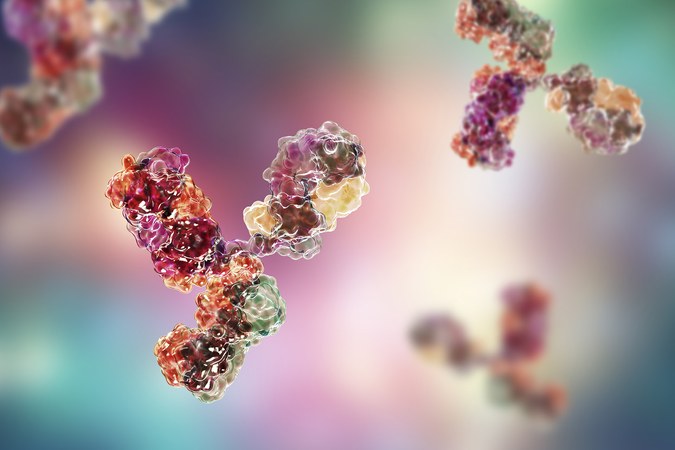
TORL BioTherapeutics is a clinical-stage biopharmaceutical company in Culver City, California developing antibody-based cancer therapies, including antibody-drug conjugates (ADCs) and monoclonal antibodies. Built on discoveries from the UCLA laboratory of Dennis Slamon - the scientist behind Herceptin and Ibrance - TORL is advancing a pipeline against novel cancer targets such as Claudin 6, Claudin 18.2, CDH17, and DLK1. Its lead program, TORL-1-23 (ixotatug vedotin), a CLDN6-targeted ADC, is in pivotal trials for platinum-resistant ovarian cancer. The company has raised over $450 million across multiple rounds, including a $96 million Series C in October 2025.
Joe Belanoff
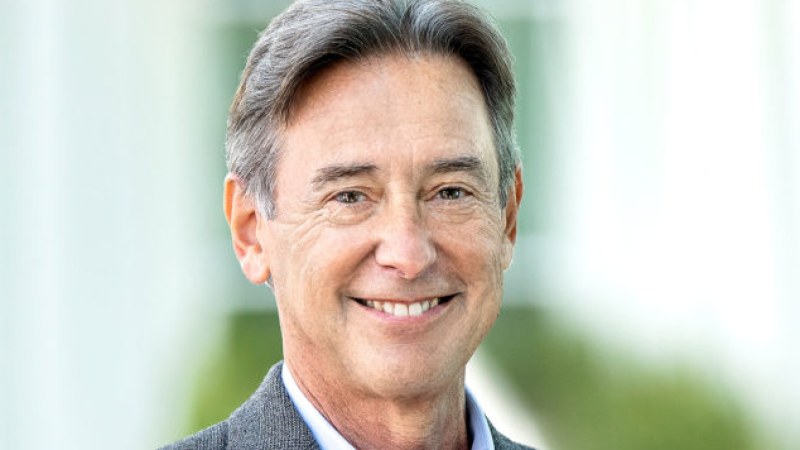
Joe Belanoff is the co-founder and CEO of Corcept Therapeutics, a Redwood City-based biopharmaceutical company he has led since 1999. A physician-scientist trained at Amherst College, Columbia University, and Stanford, Belanoff pivoted from academia to entrepreneurship after co-developing intellectual property on cortisol modulation with Stanford psychiatry chair Alan Schatzberg. Under his leadership, Corcept achieved two landmark FDA approvals: Korlym in 2012 for Cushing's syndrome and Lifyorli in 2026 for platinum-resistant ovarian cancer - the first selective glucocorticoid receptor antagonist ever approved. He maintains an adjunct professorship at Stanford while steering a company with over $760 million in annual revenue and more than 30 ongoing clinical studies.

Moriah Nachbaur
Moriah Katherine Nachbaur is the Chief Business Officer at Pheast Therapeutics, a clinical-stage immuno-oncology company in Redwood City, California, pioneering macrophage checkpoint inhibitors to teach the immune system to destroy cancer cells. Drawing on two decades of cross-functional biopharma experience - from lab benches at Genentech to executive boardrooms at Coherus BioSciences and her own consulting firm MKN Biotech - she brings a rare blend of scientific literacy, operational depth, and strategic vision to one of oncology's most promising new frontiers: the innate immune system's untapped power against solid tumors.

Roy Maute
Roy Maute is co-founder and CEO of Pheast Therapeutics, a clinical-stage biotech in Redwood City, CA, developing macrophage-targeted cancer immunotherapies. Trained at UC Berkeley, Columbia (PhD, Genetics), and Stanford (postdoc under Irving Weissman), Maute has built a career at the intersection of innate immunology and drug development. Before Pheast, he co-founded Ab Initio Biotherapeutics (acquired by Ligand in 2019) and led translational research at Forty Seven Inc. ahead of its $4.9B acquisition by Gilead in 2020. At Pheast, he is advancing PHST001, a novel anti-CD24 antibody that teaches macrophages to eat cancer cells, currently in Phase 1 clinical trials with FDA Fast Track Designation for ovarian cancer.