orbital-data-centers
(4)
Climbing the Kardashev Scale: SpaceX AI Satellites and the Terafab
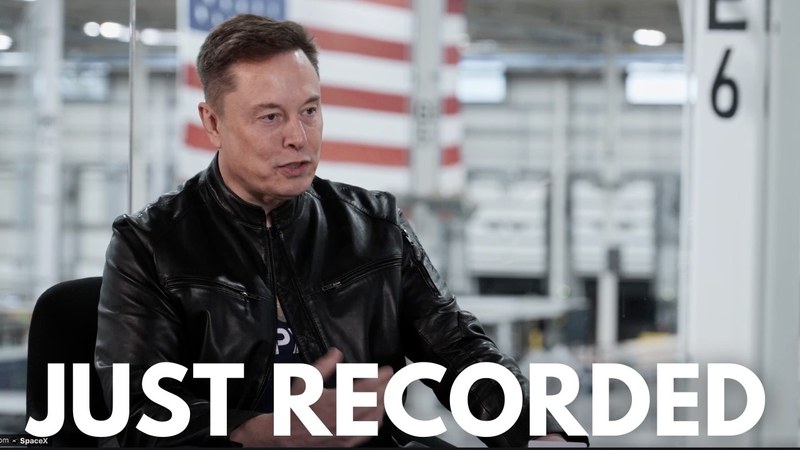
In a SpaceX studio sit-down at the company's Bastrop, Texas facility, Elon Musk and Starlink engineer Ian join a host to connect the dots between Starship, Starlink solar technology, and a bold plan to put AI compute in orbit. Musk frames the effort using the Kardashev scale, arguing that humanity currently harnesses less than a trillionth of the sun's power and must move to space to ascend it. The team outlines three limiting factors to solve at scale, mass to orbit, solar power, and chips, and unveils a draft design for a SpaceX AI satellite delivering roughly 150 kW peak power. The conversation escalates from launching thousands of orbital compute satellites to building a 100-million-square-foot 'terafab' chip factory, and ultimately to lunar mass drivers that could fling AI satellites into deep space, scaling civilization's energy harvest toward a terawatt per year and beyond.
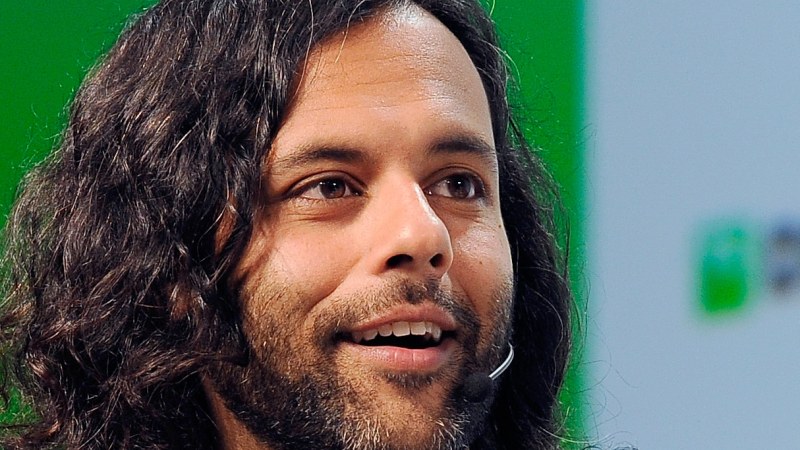
Baiju Bhatt
Baiju Bhatt co-founded Robinhood, the zero-commission trading app that put stock buying on a phone screen and made him one of the youngest self-made billionaires in the US. In 2024 he walked away from finance to chase the idea he grew up with: power and machines in orbit. His company, founded as Aetherflux and rebranded in 2026 as Cowboy Space Corporation, started by trying to beam solar energy to Earth with infrared lasers and has since aimed higher - building rockets and AI data centers that live in low Earth orbit. The son of a NASA scientist, Bhatt is a physicist and self-taught product designer who keeps picking old, stubborn problems and bringing capitalism to them.

Starcloud
Starcloud is a US deep-tech company building data centers in orbit. By placing GPU clusters in space, it taps near-continuous solar power and passive radiative cooling to run AI training and inference without the land, water, grid-permitting, and energy constraints that bottleneck data centers on Earth. In November 2025 its Starcloud-1 satellite became the first spacecraft to train a large language model in orbit using an Nvidia H100 GPU; its $170M Series A in March 2026 made it the fastest unicorn in Y Combinator history.
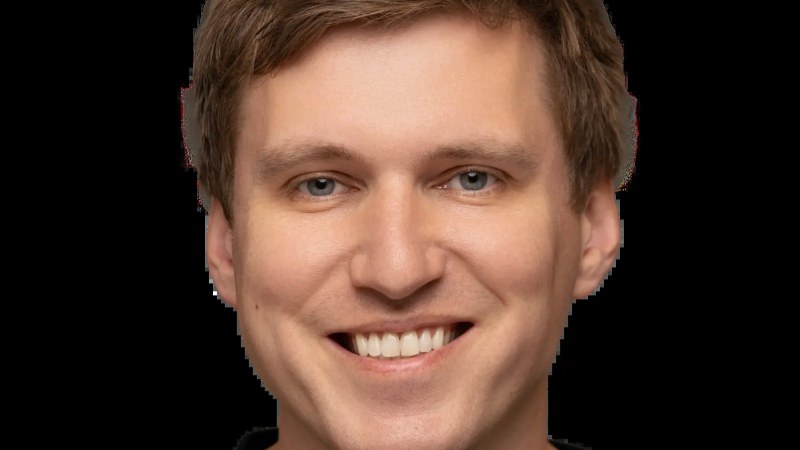
Philip Johnston
Philip Johnston is the co-founder and CEO of Starcloud, the company putting AI data centers into orbit. In November 2025 his team flew an Nvidia H100 GPU to space aboard Starcloud-1, then trained the first large language model off-planet. Five months later the company raised a $170M Series A and became the fastest unicorn in Y Combinator history. A British applied mathematician and ex-McKinsey space-agency consultant, Johnston argues the cheapest place to build a gigawatt-scale data center is no longer Earth - it is low Earth orbit, where sunlight is free and the cold of space does the cooling.