open-models
(10)
Ollama made AI easier to run. Now it sells the room to grow.
The founders who helped tame Docker turned their attention to open AI models. Ollama’s wager: make the first experiment easy, then keep the same tools when the laptop runs out of room.
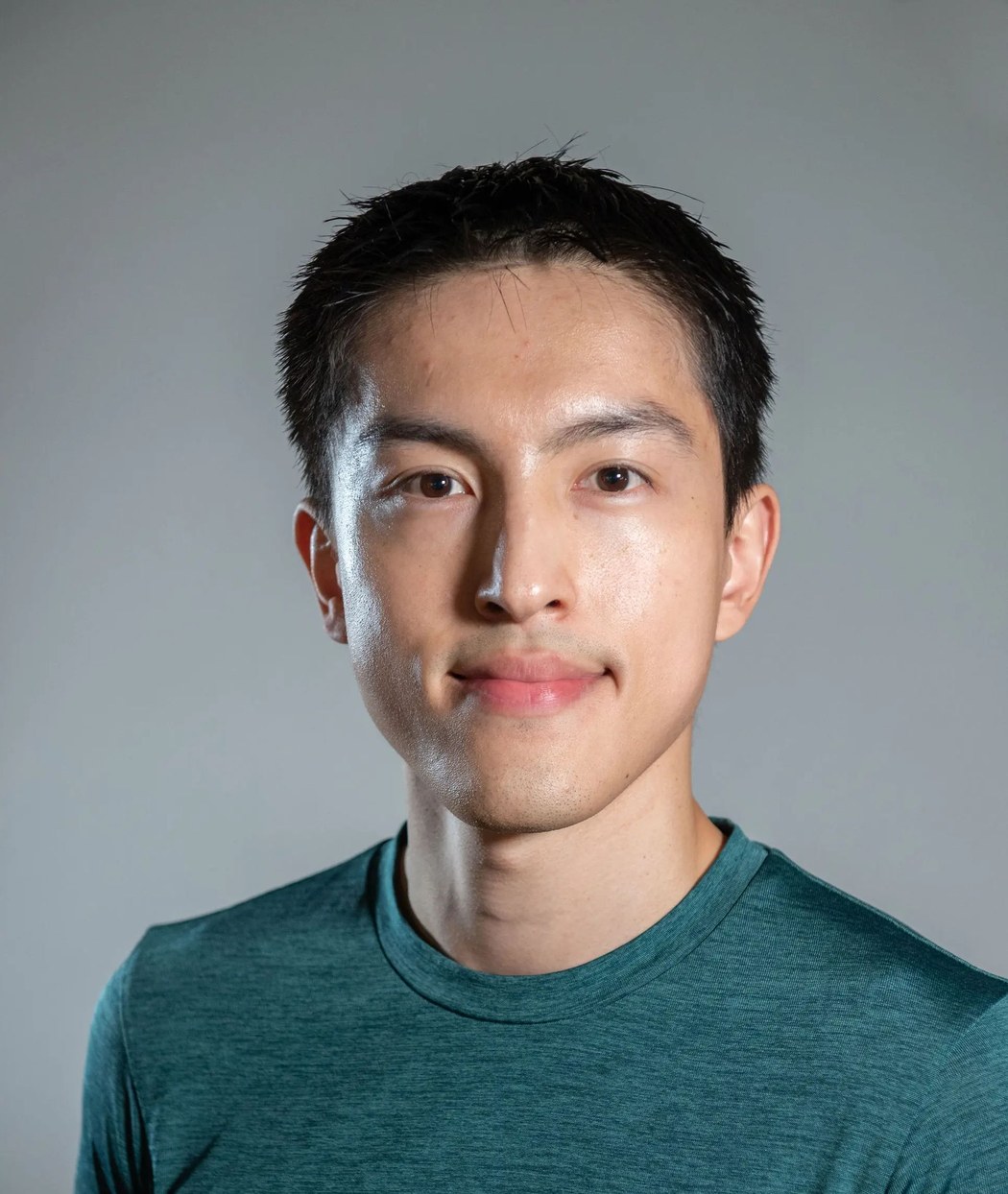
Chenyu Zhao and the Engineering of an Instant Answer
He helped build Google Cloud's Vertex AI, then co-founded Fireworks AI to make open models run at production scale. His through-line is the difficult engineering between an impressive model and an answer that arrives on time.
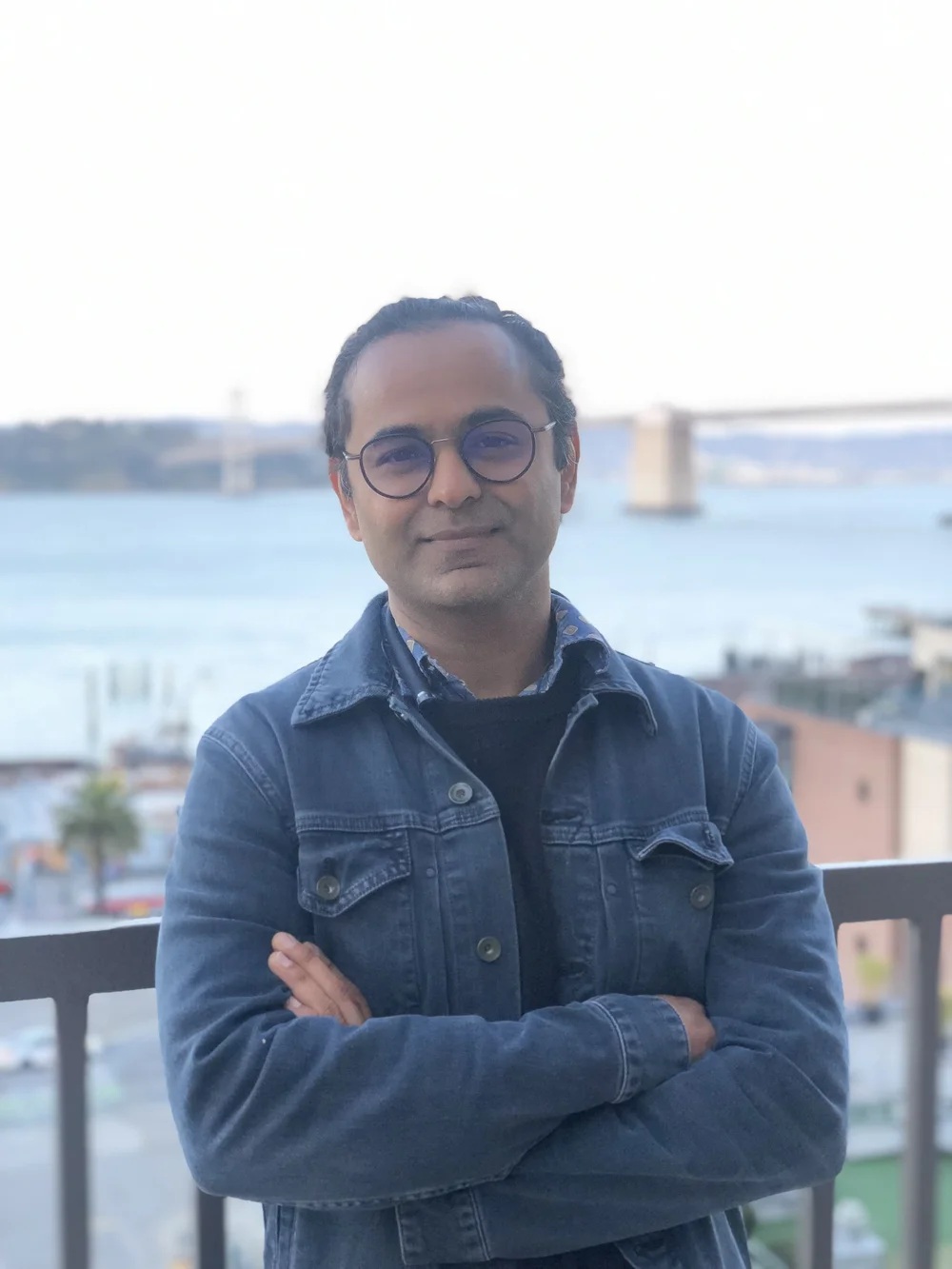
Ashish Vaswani and the Idea That Kept Moving
He helped a Google team rethink how machines read a sentence. Nine years later, after two startups and an open model release, the question of who gets to build on that idea still follows him.

Ce Zhang and the Long Road from Available AI to Usable AI
At ETH Zürich, Ce Zhang asked why useful machine learning stayed out of reach for so many people. As Together AI’s founder and CTO, he is still working on the same problem - now at cloud scale.
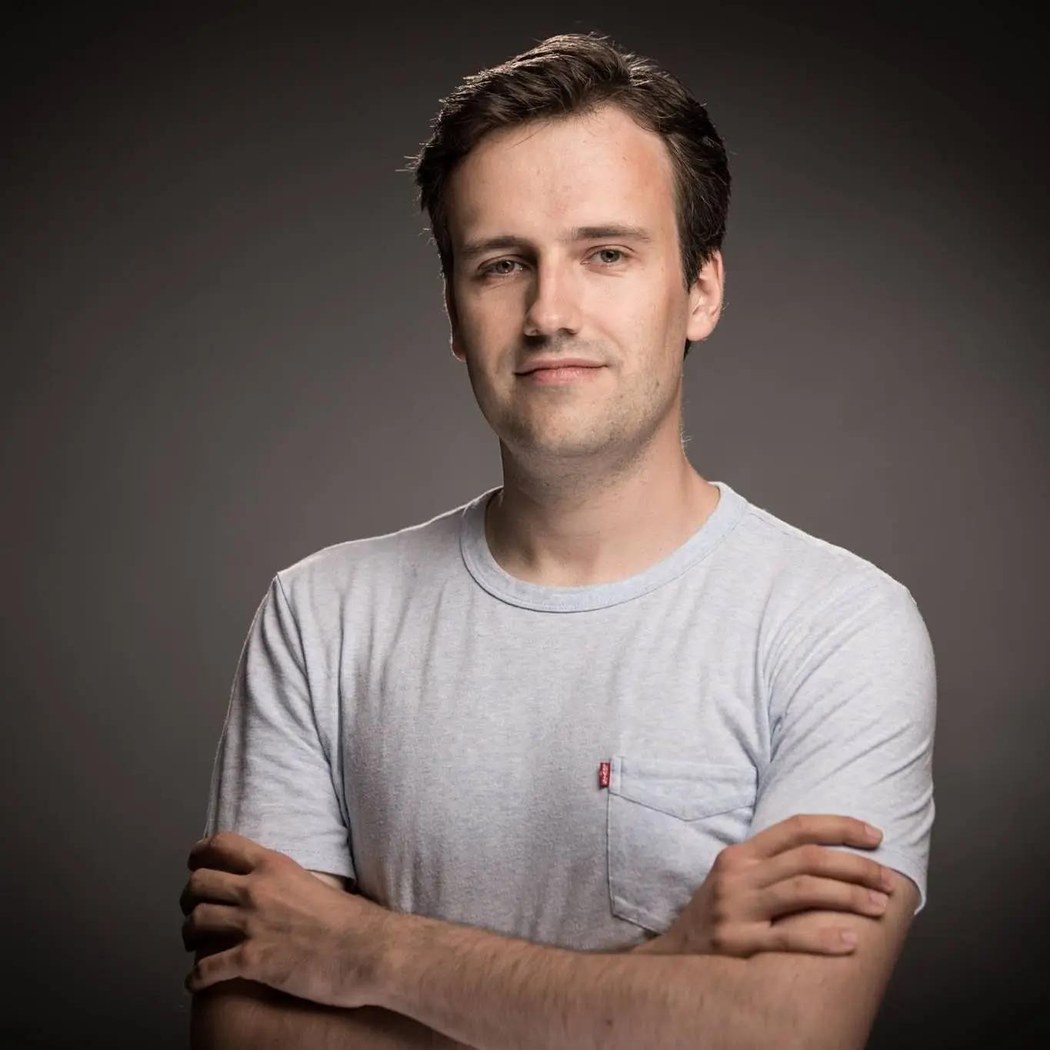
Dmytro Dzhulgakov Learned to Race Code. Now He Races AI Models.
Before he worked on the machinery behind generative AI, Dmytro Dzhulgakov was a Kharkiv student who wrote code for an Intel 8080 and competed against the world’s fastest programmers. At Fireworks AI, the contest has changed, but the clock still matters.
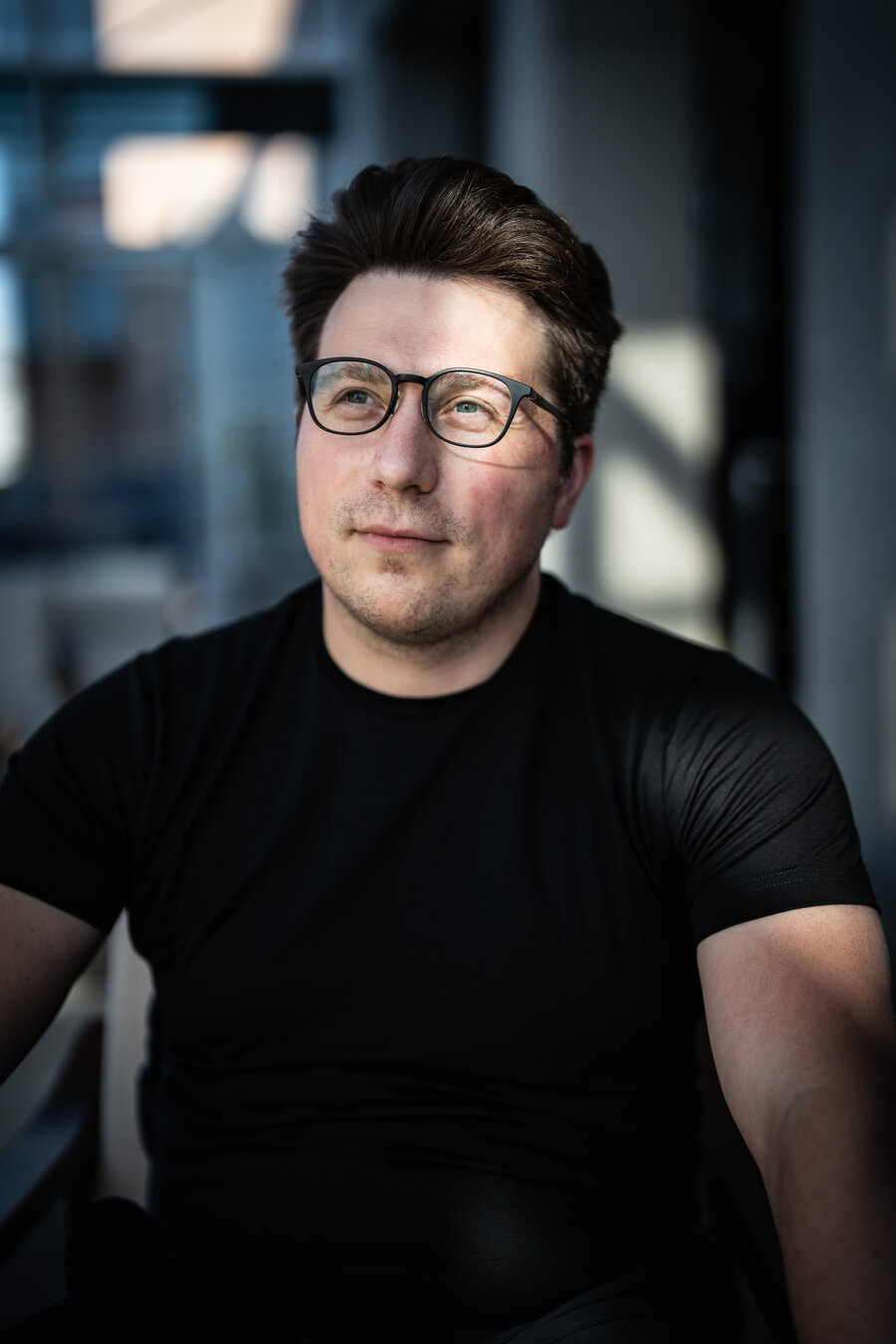
Igor Babuschkin Wants AI to Remember Who It Works For
After helping build AlphaStar, Grok and the machinery behind xAI, the physicist turned founder is asking a more personal question: who gets to shape the intelligence we use?
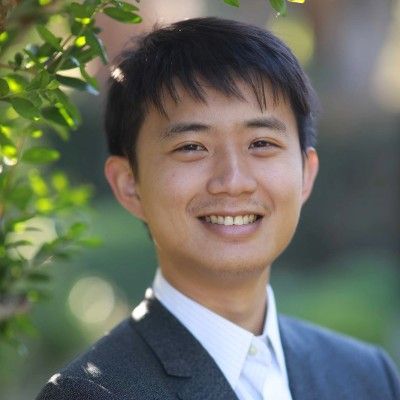
Benny Chen Saw the GPU Bill Before the AI Boom
Inside Meta, rising demand for machine learning compute made the future feel less like a prediction than a capacity meeting. Chen left to co-found Fireworks AI in 2022; now his argument is that useful AI must be affordable to run and specific to the job.

Phind Gave Coders the Answer. Then It Vanished.
Phind turned the web's scattered documentation into useful, cited answers for developers. Its brief run also became a neat lesson in how quickly a focused AI product can be copied, crowded out, and switched off.
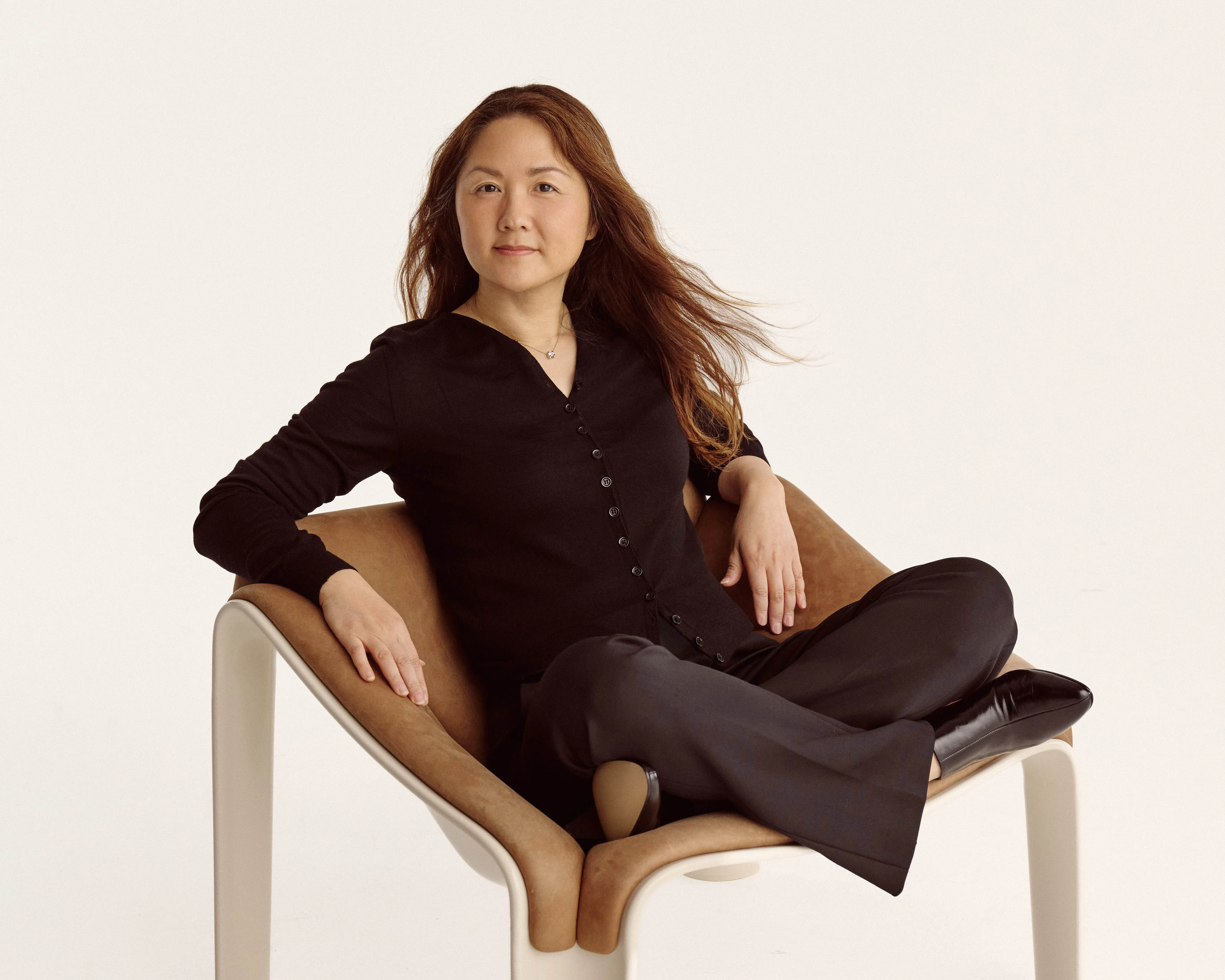
Lin Qiao Builds AI Infrastructure Like Her Father Built Ships
Before she led PyTorch and founded Fireworks AI, Lin Qiao learned to read cargo-ship blueprints beside her father. Her career has followed the same discipline ever since: absorb the complexity, expose the useful parts, and build for people who need the system to hold.

Reflection AI
Reflection AI is a New York-based artificial intelligence lab founded in 2024 by former Google DeepMind researchers Misha Laskin and Ioannis Antonoglou. It is building autonomous coding agents and open frontier language models, with the stated ambition of reaching superintelligence by first solving software engineering. Its flagship product, Asimov, is a code research and comprehension agent for large codebases. After raising $2 billion at an $8 billion valuation in October 2025, the company has positioned itself as an open, Western alternative to closed labs like OpenAI and Anthropic and to Chinese open-weight models like DeepSeek.