next-generation-sequencing
(12)
The Cancer Clue That DNA Leaves Behind
Lucence built a blood test around a small but consequential idea: tumors speak in RNA as well as DNA. The difficult part was not only hearing the signal - it was making doctors, labs and Medicare listen.

The Urine Test That Reads Cancer's Mail Twelve Years Early
No scope, no needle - just a cup of urine and 60 genes worth of warning. Convergent Genomics is betting that bladder cancer leaves a paper trail years before a doctor can see it.
The $4.3 Billion Toll Road Beneath the Genome Era
Illumina put DNA sequencing on a repeatable industrial workflow. Now it is trying to turn the machines, chemistry and software already embedded in laboratories into an operating system for multiomic medicine.

Biotia
Biotia is a New York-based health-tech company that fights infectious diseases by combining next-generation DNA sequencing with AI-driven software. Its metagenomic platform identifies bacteria, fungi, parasites and viruses - plus antimicrobial-resistance markers - from a single sample against a curated database of more than 16,000 microbial species. Spun out of the Jacobs Technion-Cornell Institute at Cornell Tech and operating a CLIA-certified lab in New York City, Biotia turns a single microbiome test into an actionable clinical report to help providers diagnose hard-to-detect infections and support pathogen surveillance from the hospital to outer space.

BostonGene
BostonGene is a Waltham, Massachusetts biotechnology company that applies AI-driven multiomics to cancer. Its Tumor Portrait platform integrates DNA and RNA sequencing with immune and tumor-microenvironment analysis into a single test, producing molecular profiles that help oncologists select therapies and help pharmaceutical partners design trials, identify biomarkers, and accelerate drug development. Founded in 2015 and led by CEO Andrew Feinberg, the company reached unicorn status in 2022.
Complete Genomics
Complete Genomics is a San Jose-based life-science technology company and the Americas arm of MGI. Founded in 2005 as a pioneer of affordable whole-human-genome sequencing, it develops and sells next-generation sequencing instruments, reagents, and analysis software built on its proprietary PCR-free DNBSEQ (DNA nanoball) technology. The company aims to drive down the cost of sequencing - from the landmark $5,000 genome to sub-$100 - and supplies researchers, clinical labs, and biotech companies with a full workflow spanning sample prep, library construction, sequencing, and data analysis.
Karius
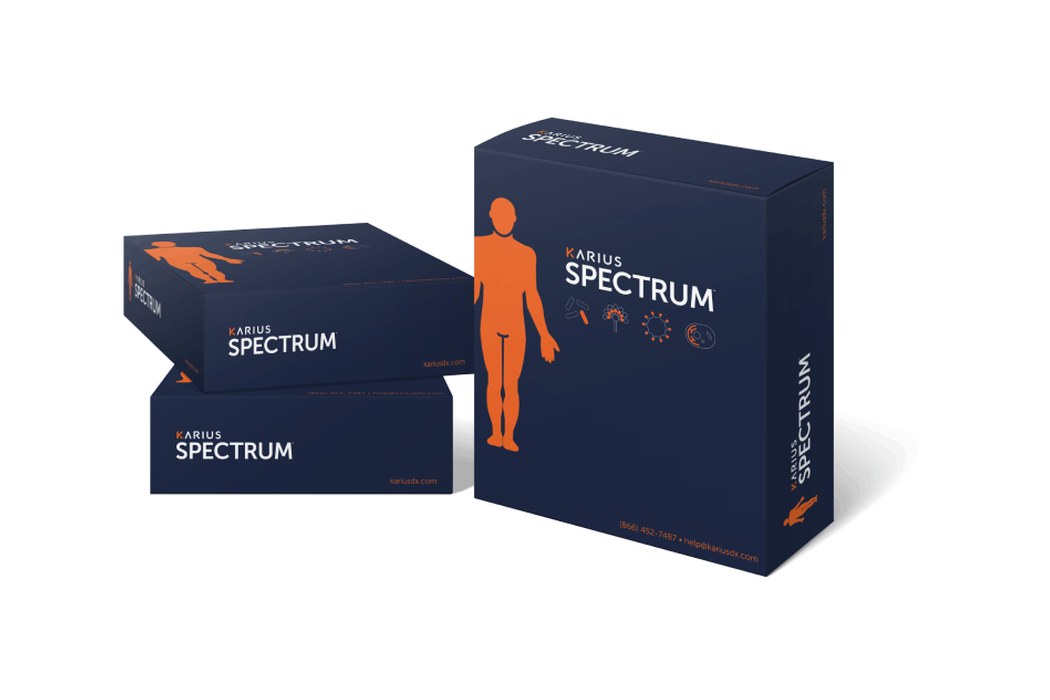
Karius is a Redwood City, California life-sciences company that turns a single blood draw into a broad infectious-disease diagnosis. Its flagship Karius Test uses microbial cell-free DNA (mcfDNA) sequencing, metagenomics and AI to detect more than 1,000 pathogens - bacteria, DNA viruses, fungi and parasites - often within a day of receiving a sample. Founded in 2014 out of Stephen Quake's lab at Stanford, the company aims to give clinicians a fast, non-invasive alternative to invasive biopsies and slow cultures, with a focus on the immunocompromised patients who need answers most urgently.
Clear Labs
Clear Labs is a San Carlos, California genomics company that builds Clear Dx, a fully automated next-generation sequencing platform. It turns whole genome sequencing - normally a slow, expert-heavy lab process - into a push-button diagnostic used by food manufacturers and public health labs to detect pathogens like Salmonella and Listeria, characterize SARS-CoV-2 and TB, and identify bacteria and fungi from clinical specimens, often with next-day results.

Paragon Genomics
Paragon Genomics is a Fremont, California biotechnology company that makes it faster and cheaper to read the parts of a genome that actually matter. Its patented CleanPlex amplicon sequencing technology turns tiny or degraded DNA and RNA samples into sequencing-ready libraries in a few hours, powering targeted next-generation sequencing for cancer research, infectious-disease surveillance, inherited-disease testing and agricultural genomics. Founded in 2015 and backed by an $8M Series A, the company sells both ready-to-use and custom NGS panels to more than 300 labs worldwide.

Predicine
Predicine is a molecular insights company advancing precision oncology through non-invasive, multi-omic liquid biopsy. Founded in 2015 by former Genentech scientist Shidong Jia, the company builds NGS-based assays that read cell-free DNA and RNA from blood and urine to detect cancer mutations, track minimal residual disease, and match patients to targeted therapies. Its flagship PredicineCARE urine cfDNA assay holds FDA Breakthrough Device Designation and is in premarket approval as a companion diagnostic in bladder cancer, developed in collaboration with Johnson & Johnson's Janssen.

Superfluid Dx, Inc.
Superfluid Dx is a South San Francisco diagnostics company building a blood-based test for Alzheimer's disease and other neurodegenerative conditions. Its platform isolates cell-free messenger RNA (cf-mRNA) from a single tube of blood and pairs next-generation sequencing with RNA deconvolution and machine-learning analysis to read out organ-level biology - aiming to detect disease years earlier than conventional methods and to guide therapy. The company was formed in late 2023 when WRQ Sciences acquired and renamed Molecular Stethoscope, and is led by Fluidigm co-founder Gajus Worthington alongside Stanford bioengineer and serial founder Steve Quake.

Helix
Helix is a San Mateo-based population genomics company that helps health systems, life sciences companies, and public health organizations weave genomic data into everyday patient care. Built around its proprietary Exome+ assay and the first FDA-authorized whole exome sequencing platform, Helix powers large-scale precision health programs at partners like Mayo Clinic and Renown Health, with a research network spanning hundreds of thousands of sequenced participants.