market-infrastructure
(13)
Christopher Pallotta and the Trouble With Buying In
From MIT’s Media Lab to Templum, Christopher Pallotta has followed the awkward details of investing: who can buy, how ownership moves, and what happens when someone wants out. His answer is a business built around making private markets work behind the screen.
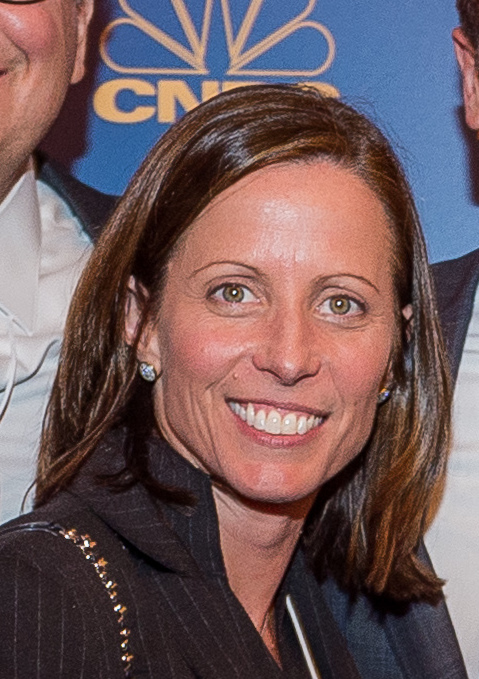
Adena Friedman and the business hiding inside the market
She joined Nasdaq as an intern with a taste for complicated products. Three decades later, Adena Friedman is applying the same curiosity to the machinery behind global finance.
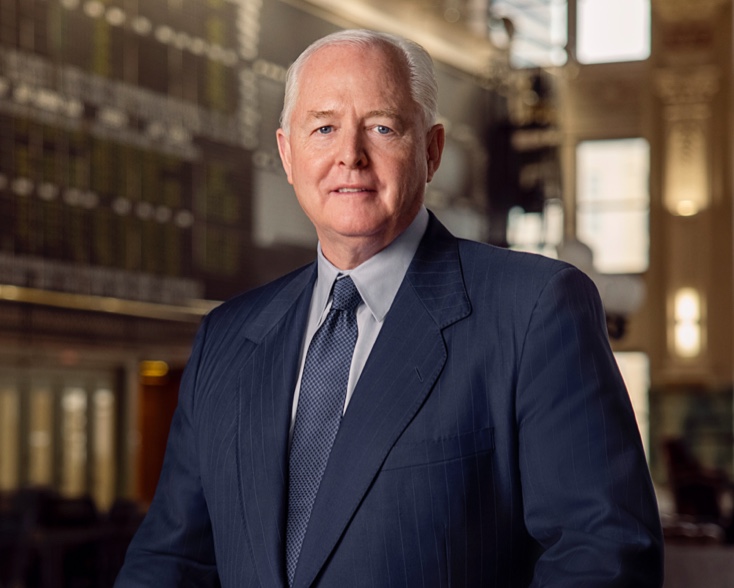
Thomas P. Gallagher and the business of building a market
A Princeton securities lawyer helped build MIAX into an international exchange group. His next chapter has room for both fast machines and a trading floor full of people.

Luc Fortin and the problem with closing time
After decades on the banking side of the trade, Luc Fortin crossed over to the exchange. His work at TMX asks a practical question: how does a Canadian market keep pace with clients whose day has already begun?
Calastone turned the fund industry’s paperwork into a £766 million business
A fund order should not need a fax machine. Calastone built a network around that simple complaint. Now, under SS&C, it is taking the same connectivity business into tokenised funds.
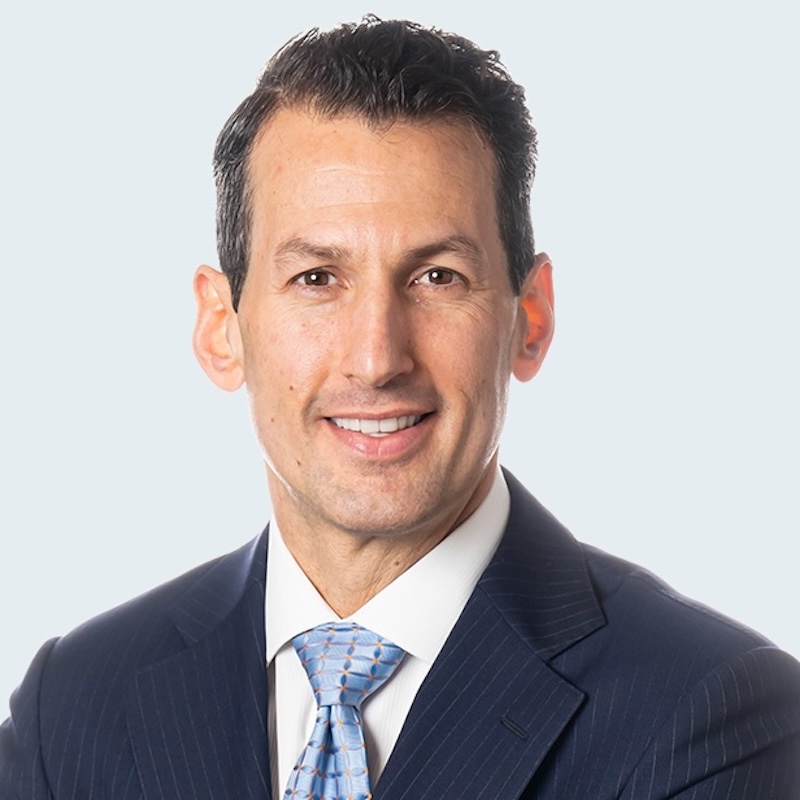
Jarrod Yuster Built the Plumbing for Markets That Never Sit Still
An Intel engineer turned Wall Street trading chief started Pico with seven people in a downtown New York room. The consequential move was not going faster, but realizing the technology itself was the business.
Kelli Annequin Makes the Market Make Sense
Inside the career of the executive translating exchange technology, new markets and a growing global portfolio into one clear public story.

How Megan Goett Made Options Mean More Than a Contract
The Cboe chief marketing officer learned her craft by building from scratch. Now she is turning a house of financial brands into one story, with customer service as the operating system.
Cboe Global Markets
The company that gave Wall Street a fear gauge now sells the pipes, prices and products behind an increasingly global, nearly round-the-clock market. Its advantage is less a single exchange than a feedback loop: invent the contract, gather the liquidity, distribute the data, then teach the next wave of traders how to use it.
MIAX
MIAX started as a bet that exchange technology could be faster, more reliable and more attentive to customers. It has since assembled eight marketplaces across options, equities, futures and international listings - and turned the machinery behind a trade into the product.
FIA Tech
FIA Tech is the leading technology provider to the global exchange-traded and cleared derivatives industry, owned by a consortium of major clearing firms and the Futures Industry Association. Its platform automates post-trade processing - brokerage calculation and settlement, give-up agreements, reference data, OCR compliance and reconciliation - and its flagship Trade Data Network provides a shared ledger of trading information to bring transparency to fragmented ETD post-trade markets. More than 8,000 futures market participants use its services.
Fnality
Fnality is a London-based financial market infrastructure company building a network of regulated, blockchain-based wholesale payment systems that let banks settle transactions in a digital representation of central bank money. Its Sterling Fnality Payment System (£FnPS), launched in December 2023, is the world's first regulated distributed-ledger-technology wholesale payment system. Backed by a consortium of more than 20 global banks and market infrastructures, Fnality aims to enable 24/7 real-time, atomic settlement for tokenised asset markets, FX and repo, extending beyond Sterling into US Dollar, Euro and other currencies.

RQD* Clearing
RQD* Clearing is a New York-based correspondent clearing firm that provides clearing, custody, and execution services for broker-dealers on a cloud-native, real-time platform. Spun out of options market maker Volant, it self-clears U.S. equities, options, and ETFs, positioning itself as a modern alternative to legacy clearing providers with direct API integration, 24x5 availability, and infrastructure built on Microsoft Azure.