gpcr
(5)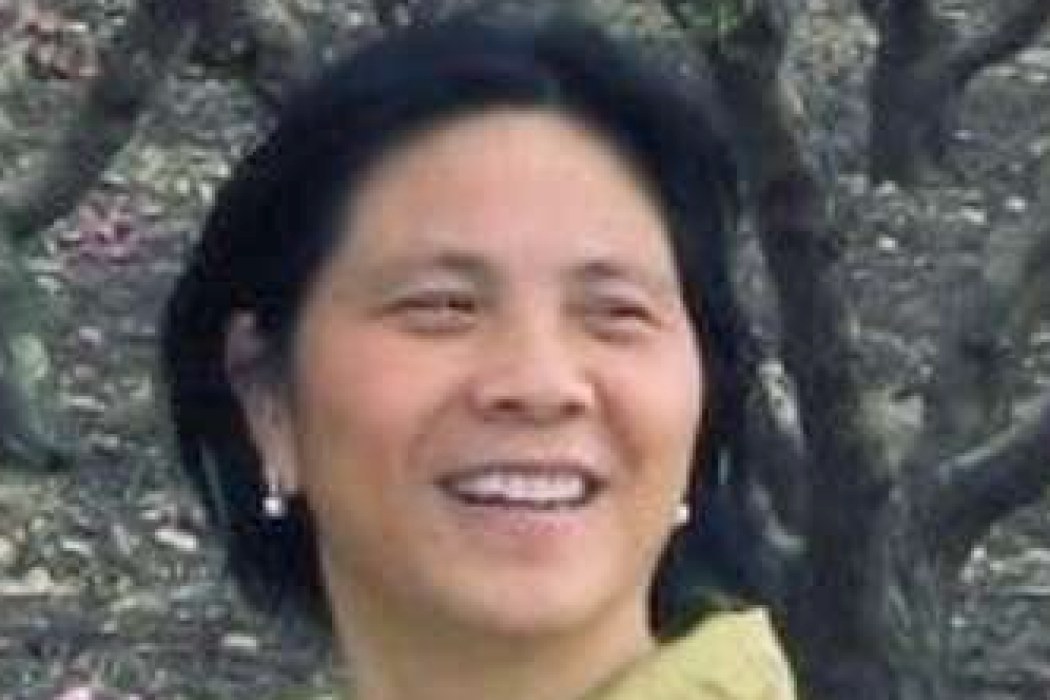
Lina Yao
Lina Yao is a pharmaceutical scientist and the founder of Teon Therapeutics, a Redwood City, California biotech developing first-in-class, orally administered small-molecule cancer drugs that target G-protein coupled receptors to reverse tumor-driven immune suppression. A molecular pharmacologist by training with an MD and PhD and more than two decades in drug discovery, she built her career at CV Therapeutics and Gilead Sciences before launching Teon in 2018. She led the company through an oversubscribed $30 million Series A in 2021 and into the clinic with two novel programs: TT-702, an adenosine A2B receptor antagonist, and TT-816, a cannabinoid CB2 receptor antagonist being studied in combination with Merck's KEYTRUDA.
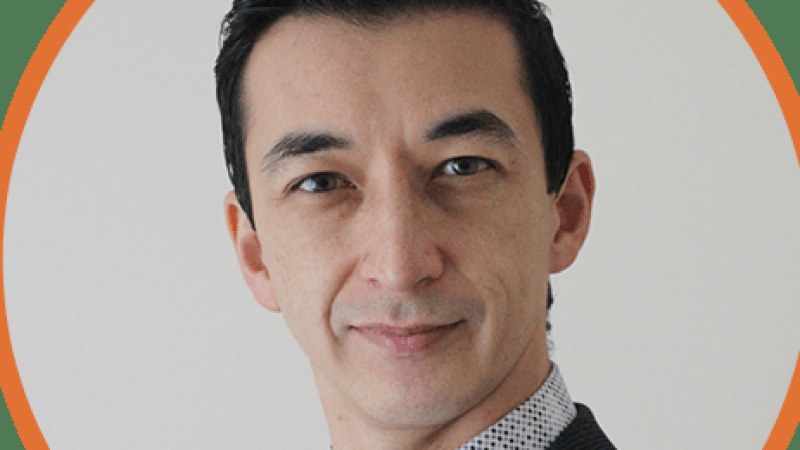
Murat Tunaboylu
Murat Tunaboylu is the co-founder and CEO of Antiverse, a Cardiff- and Boston-based AI-native biologics company designing de novo antibodies for historically undruggable targets like GPCRs and ion channels. A software engineer who spent years automating gene synthesis at Thermo Fisher and building lab robots for cancer research before starting a company that uses generative models to design antibodies, he raised a $9.3M Series A in March 2026 and struck a research deal with the Cystic Fibrosis Foundation the same week.
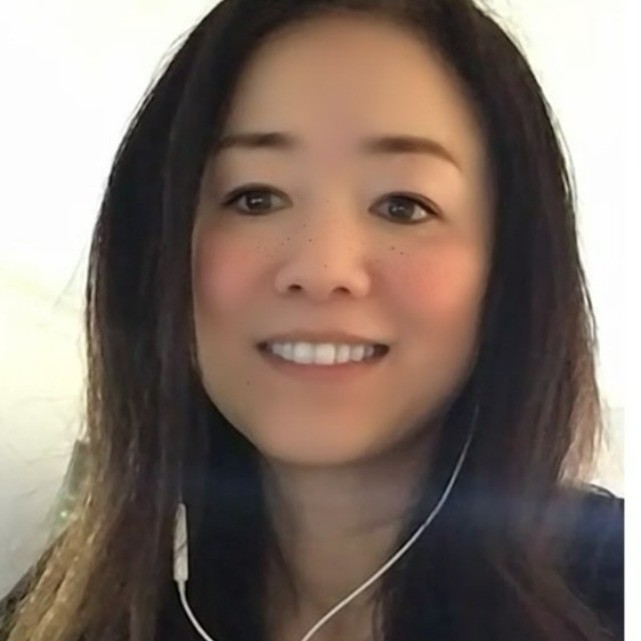
Helena Mancebo
Helena Mancebo is the founder and CEO of Multispan, Inc., a Hayward, California biotech she has run for more than 20 years. She built a company around G protein-coupled receptors (GPCRs) - still among the most prolific class of drug targets - and grew it into a maker of the industry's largest collection of highly characterized human GPCR cell lines and 1,600-plus assay tools. A Yale-trained immunologist and geneticist, she pairs hard cell biology with a service obsession: next-day assay turnaround, native receptor pharmacology, and a culture built on empathy, integrity, and productivity. In 2023 Multispan's cell engineering and assay services were folded into Avantor's catalog; in 2025 she partnered with AI-automation firm Synfini to push GPCR drug discovery forward.
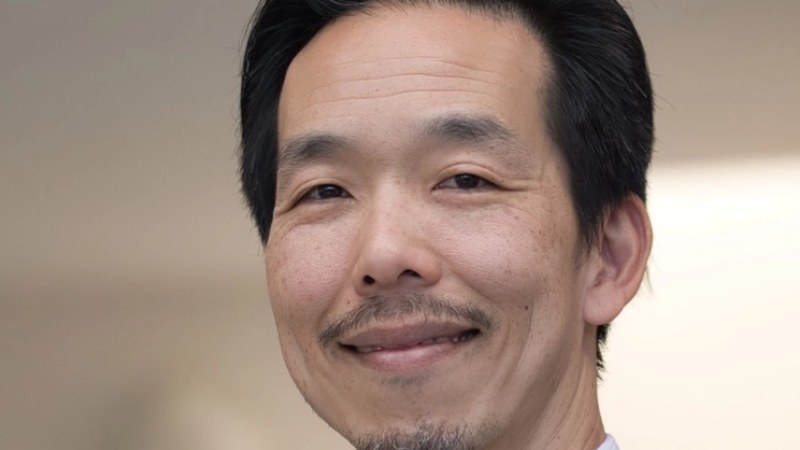
Richard Yu
Richard Yu is the Co-founder and CEO of Abalone Bio, an Emeryville, California-based biotechnology company pioneering AI-guided antibody drug discovery for notoriously hard-to-drug targets. With a PhD in Molecular Biophysics from Yale and a background spanning structural biology, systems biology, and biotech entrepreneurship, Richard built Abalone Bio's FAST platform - a high-throughput yeast cell screening system capable of evaluating 100 million antibody variants simultaneously. The company has secured partnerships with Pfizer and Mount Sinai, generated $7M in non-dilutive NIH grants, and published the world's first CB2 antibody agonist data, while positioning AI and large-scale functional datasets at the core of next-generation antibody therapeutics.
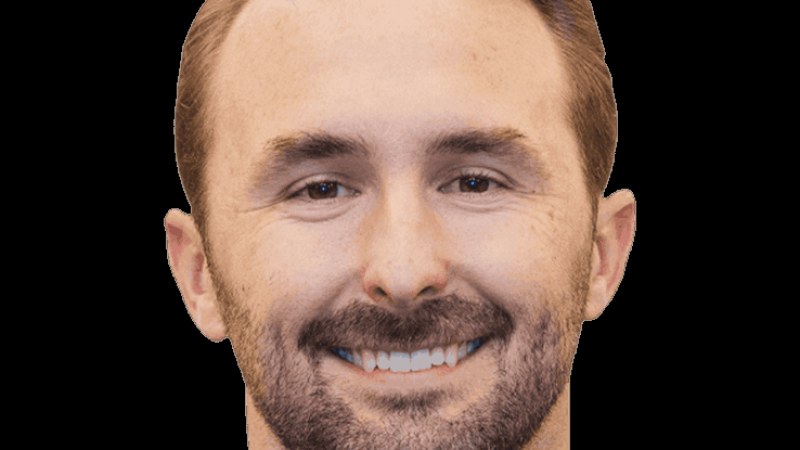
Bryan Faust
Bryan Faust, PhD is an Investment Partner on the Bio + Health team at Andreessen Horowitz (a16z), where he backs seed and Series A companies at the intersection of biology and technology. A trained biophysicist with a PhD from UCSF, he published research in Nature, Science, and Cell before pivoting to venture—studying antibody-protein interactions, GPCR signaling, and COVID-19 nanobodies along the way. At a16z he has co-led investments in Stipple Bio, Tessera Labs, Gate Bioscience, and Formation Bio, and writes widely on AI in life sciences, biotech financing, and the coming era of programmable medicine. When he's not reading pitch decks, he's surfing, roasting coffee, or hunting down the perfect tacos al pastor.