evidence-synthesis
(4)
CapeStart's Real Product Is the Last Mile of Enterprise AI
Most AI projects do not die in the demo. They stall in the unglamorous stretch between a clever model and a system that regulated teams can trust. CapeStart has built a 600-plus-person business around crossing that gap.

The AI that reads every medical paper so pharma's scientists don't have to
Medical teams at drug companies read maybe 10% of the evidence that matters. Sorcero built AI agents to read the other 90% - and about a third of the top 30 global pharma companies are now paying for it.
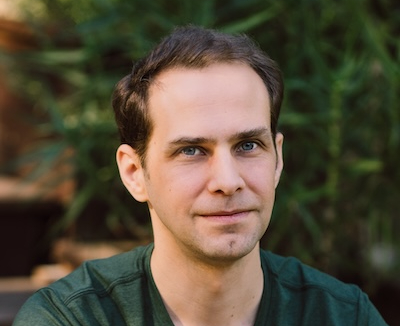
Andreas Stuhlmüller
Andreas Stuhlmüller is the cofounder and CEO of Elicit, an AI research assistant that automates evidence synthesis for scientists and analysts. A cognitive scientist by training (PhD, MIT), he built probabilistic programming languages before turning to a single question: can AI help people reason well about hard problems? His answer is process supervision, the idea that you get trustworthy machines by watching how they think, not just grading what they produce. Elicit, which spun out of his nonprofit Ought, raised a $22M Series A in 2025 and serves hundreds of thousands of researchers.
Elicit
Elicit is an Oakland-based AI research platform that automates the slow, manual parts of scientific literature review - searching, screening, and extracting data from papers. Spun out of the nonprofit research lab Ought in 2023, it lets researchers query a corpus of over 125 million papers, run systematic reviews that are traceable and auditable, and extract data from tables and figures with accuracy that rivals expert reviewers. More than two million researchers across academia, biotech, and pharma use it to get evidence-based answers in hours instead of months.