dynamical-systems-biology
(2)
Syntensor
Syntensor builds frontier AI foundation models for cellular biology and human genetics that simulate how drugs act inside the body before a single patient is dosed. Using dynamical systems simulation and neural differential equations over multi-omics data, its platform predicts drug efficacy, systemic toxicity, and the causes of clinical trial failure, then explains the mechanism behind each prediction. Founded out of the University of Cambridge and now headquartered in San Francisco, the company aims to build an accurate, interpretable mechanistic model of human physiology that de-risks pharmaceutical R&D.
Clayton Rabideau
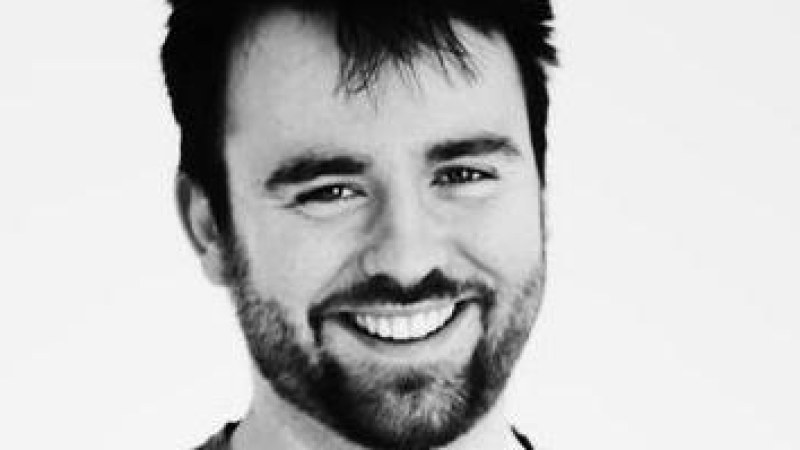
Clayton Rabideau is the founder and CEO of Syntensor, a San Francisco startup building foundation models and mechanistic simulations of human cell biology to predict drug efficacy, toxicity, and the hidden causes of clinical-trial failure. A Cambridge PhD in chemical engineering and biotechnology, he works at the seam between dynamical-systems mathematics and genomics - a co-author on HyenaDNA, the NeurIPS 2023 spotlight that stretched genomic language models to a million bases of context. He is trying to make biology as fast, iterative, and programmable as software.