diffusion-models
(9)
AxionOrbital Space
AxionOrbital Space is a San Francisco startup building foundation models that turn radar satellite data into analysis-ready optical imagery in real time. Its flagship model, ORION, translates Synthetic Aperture Radar (SAR) backscatter into photorealistic images so customers can see through clouds, smoke, and darkness - the roughly 70% of the time when conventional optical satellites go blind. A Y Combinator Winter 2026 company, it targets defense, commodities trading, and disaster response.

Doji
Doji is a New York-based AI fashion startup building an app that turns a handful of selfies into a photo-realistic personal avatar, then lets people try on real clothing from anywhere on the web. Founded in 2024 by Dorian Dargan and Jim Winkens - the name is a mash-up of their first names - Doji uses its own diffusion models to make virtual try-ons feel less like a gimmick and more like a fun, social way to shop. The company raised a $14M seed round led by Thrive Capital with participation from Seven Seven Six in May 2025, days after launching on the App Store in more than 80 countries.
Jen Rhi
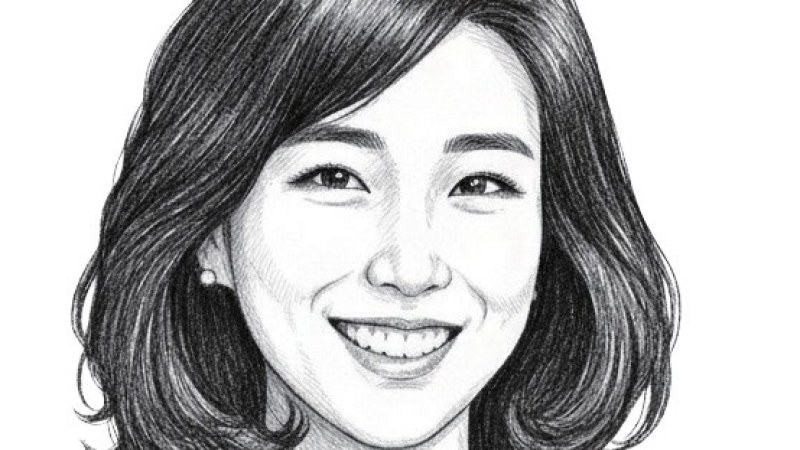
Jen Rhi is the founder and CEO of NXN Labs, a San Francisco and Seoul based AI company building an operating system for fashion and commerce imagery. A Stanford computer science graduate and former McKinsey and SoftBank Ventures alum, she left the investor side of the table to attack a problem she kept seeing in brands: creative ideas were cheap, but the production bandwidth to shoot models, garments and campaigns at scale was the real bottleneck. NXN Labs answers that with proprietary multimodal diffusion models that generate photorealistic on-model imagery, video and virtual try-ons without a physical shoot. Two months after founding, the company was backed by Naver D2SF, KB Investment and Smilegate; by 2026 it had landed European luxury clients and a spot on the NRF Innovators' Showcase Top 50.
Inception
Inception builds diffusion-based large language models (dLLMs) that generate text in parallel instead of one token at a time. Its flagship Mercury family is positioned as the first commercial-scale diffusion LLM, reporting 5–10x faster throughput than traditional autoregressive models at competitive quality, with Mercury Coder targeting code generation and Mercury 2 reasoning workloads.

Dorian Dargan
Dorian Dargan is the co-founder and CEO of Doji, an AI fashion app that turns selfies into a photorealistic digital likeness so people can try on real clothes from across the web and actually have fun doing it. An MIT-trained designer-engineer who built avatars at Meta on Oculus Quest and shaped visionOS at Apple, he teamed up with former DeepMind researcher Jim Winkens - the name Doji is literally Dorian plus Jim - and within days of the app's 2025 App Store debut raised a $14M seed round led by Thrive Capital with Alexis Ohanian's Seven Seven Six. He treats the creative process as something close to sacred, and is betting that the most personal way to shop online is to first fall a little in love with the image of yourself.
Xiao Zhang
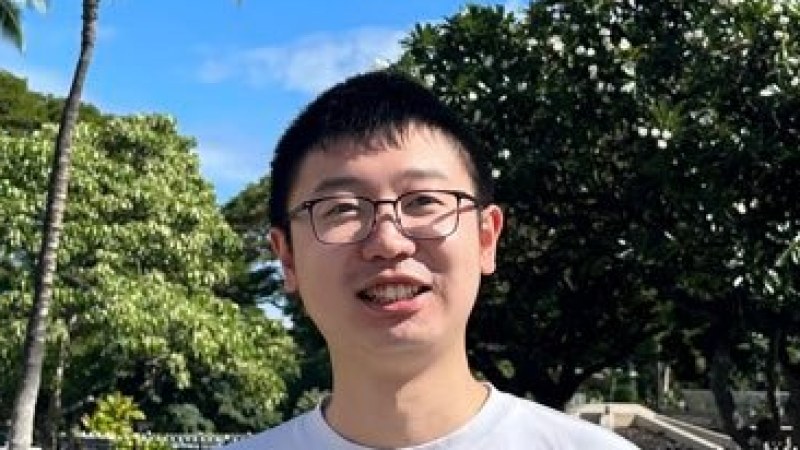
Xiao Zhang is the co-founder and CEO of Collov Labs (Collov AI), a Redwood City visual-AI company that turns a single photo of a room into reimagined interior designs and staged real-estate listings. A Stanford applied-physics PhD who trained machine-learning models on free-electron lasers before pivoting to product, he is betting that the next interface for AI is the camera, not the chat box. In April 2026 Collov raised a $23M Series A and launched a research lab to push diffusion models, spatial reasoning, and agentic workflows toward AI that understands and acts on the physical world.

Pika
Pika is a San Francisco-based generative AI company building a consumer video platform that turns text, images, and clips into short cinematic videos. Founded in 2023 by Stanford AI Lab alumni Demi Guo and Chenlin Meng, Pika has shipped a string of fast-iterating model releases (Pika 1.0, 1.5, 2.0, 2.1, 2.2) and viral features like Pikaffects, Scene Ingredients, and Pikaframes. The company has raised roughly $135M from Spark Capital, Lightspeed, Greycroft, and others.
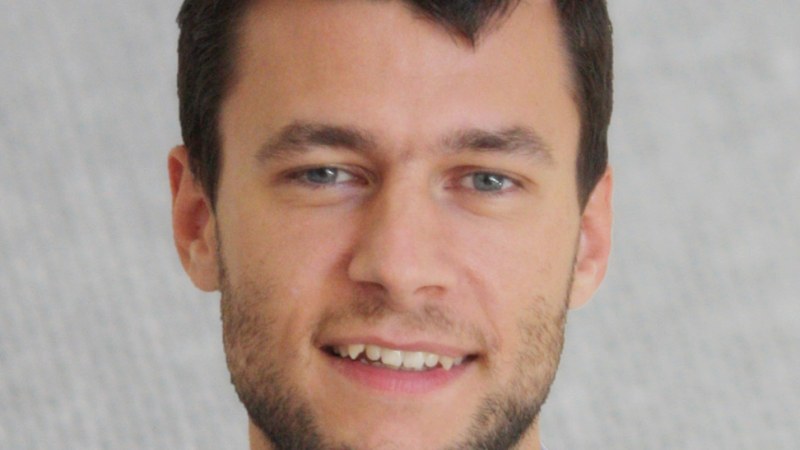
Stefano Ermon
Stefano Ermon is the CEO and co-founder of Inception Labs, the company behind Mercury - the world's first commercial-scale diffusion LLM. An Italian-born Stanford associate professor on leave, Ermon co-invented DDIM (the speedup trick powering modern image generation), Direct Preference Optimization (DPO, the alignment technique used to fine-tune today's leading LLMs), and the SEDD discrete diffusion framework that won ICML 2024's Best Paper Award. At Inception, he's betting that diffusion - not autoregression - is the architecture that will define the next generation of AI, with Mercury 2 clocking 1,000+ tokens per second at a fraction of the cost of GPT or Claude.
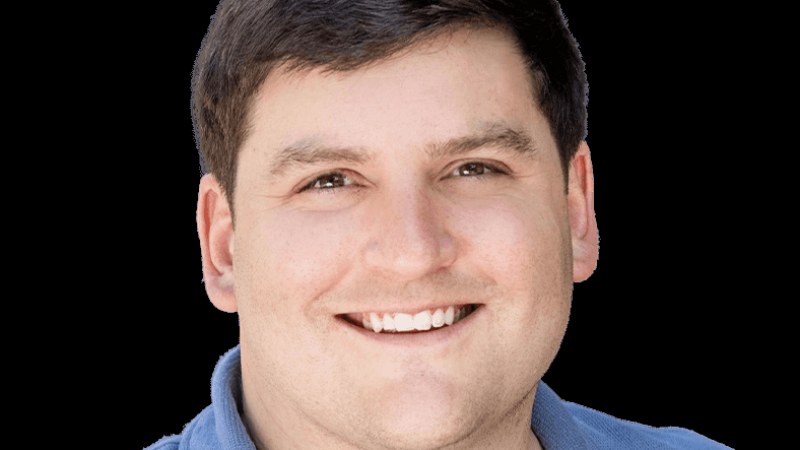
Rajko Radovanović
Rajko Radovanović is an investing partner on the AI and infrastructure team at Andreessen Horowitz (a16z), where he backs the builders reshaping how software is made. He has led or co-led investments in Cursor, Mistral AI, Udio, Luma AI, Black Forest Labs, World Labs, and Braintrust, and runs a16z's Open Source AI Grant Program. Before a16z, he was a venture investor at New Enterprise Associates (NEA), where his portfolio included Perplexity AI, Sentry, and Weaviate. He studied economics and computer science at Harvard, did language studies in Beijing, and attended the United Nations International School — a biography that reads like someone engineered to operate at every intersection of tech, capital, and global culture.