consumer-data
(8)
Hope Neiman Knows the Kiosk Is Never Just a Kiosk
Across four decades of consumer technology, Hope Neiman has kept asking one useful question: what does the customer experience when the strategy meets the screen?
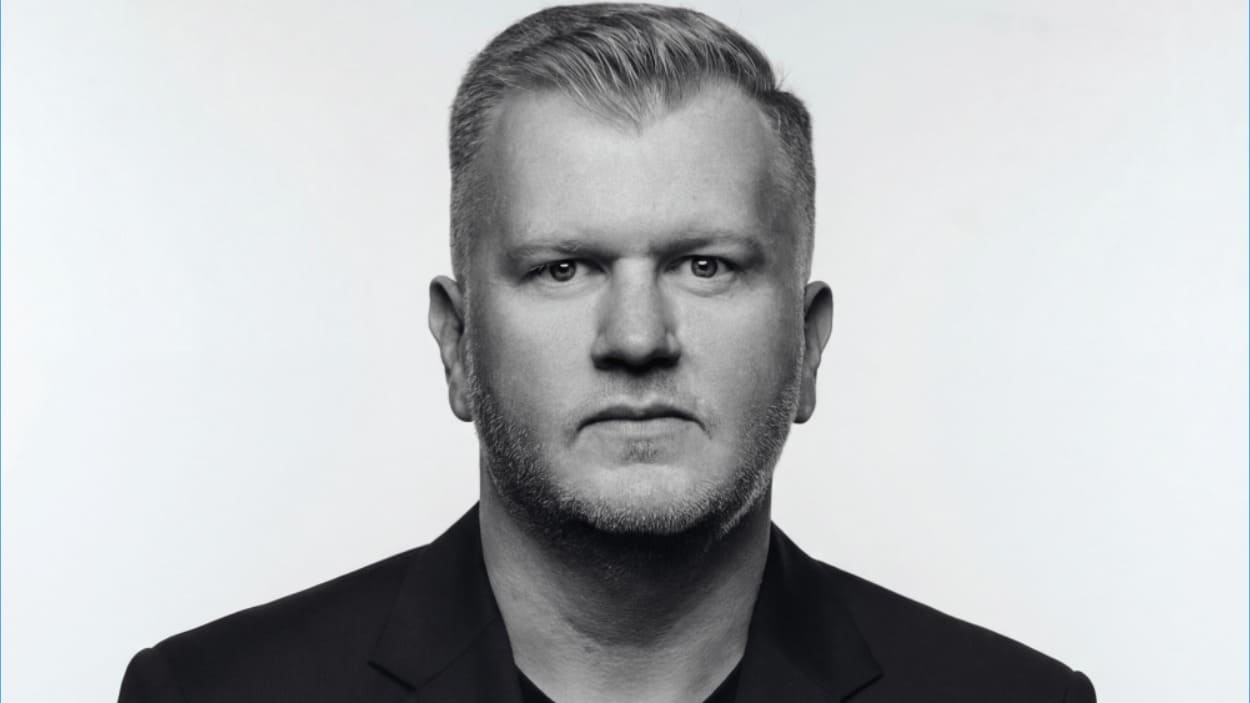
Corey Moran Is Bringing the Spreadsheet to the Runway
After years translating luxury for Google, Corey Moran has returned to the brand side with a precise brief: make Michael Kors storytelling, customer experience and data behave like one idea.

Andy Rossmeissl Built an AI Company Where the Signal Is Human
From a solar-marketing experiment in Middlebury to a consumer context platform covering 240 million U.S. adults, Rossmeissl has spent nearly two decades asking one durable question: what can data help people decide next?

Wes Schroll Turned a Grocery-Store Chore Into a Loyalty Machine
A college student disliked loyalty programs, wrote a business plan, and won enough pitch competitions to build the first version. The useful lesson in Fetch is not the receipt scanner - it is Schroll's habit of turning irritation into a game, then playing it fast.
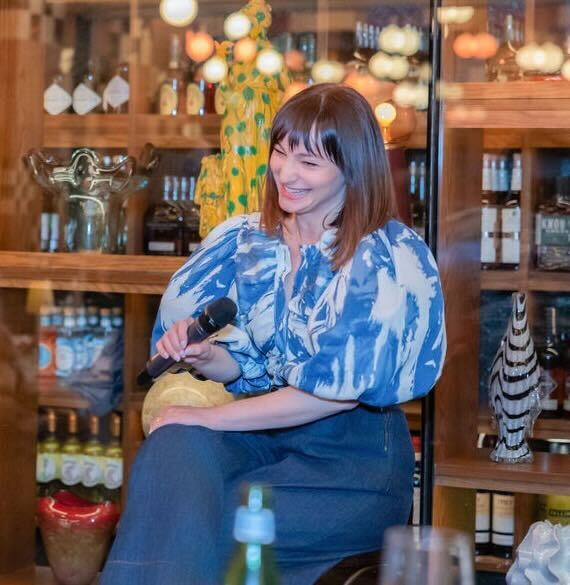
Samantha Alexander Keeps Changing the Recipe - and Keeping the Mission
She trained for the stage, learned persuasion at the beauty counter, absorbed radical candor at Bridgewater, and then built a startup willing to rewrite its own menu. Samantha Alexander's useful obsession is making complicated food data legible at the exact moment people choose.

Josh Levy Spent His Last Dollars on TV - Then the Servers Crashed
A failed identity product, a last-chance television commercial and seventeen years of iteration turned a high-school friendship into a portfolio of public-data brands. Josh Levy's useful lesson is less glamorous than the usual startup gospel: find a paying customer before you celebrate the financing.

Scott McKinley
Scott McKinley is the founder and CEO of Truthset, an Oakland-based data validation company that scores the accuracy of consumer data used across advertising and marketing. A former captain of the 1988 US Olympic Road Cycling Team who walked away from the sport as doping spread, he spent roughly two decades in ad tech and martech - including a stretch as an EVP at Nielsen and CEO of IDify - before starting Truthset in 2019 to bring transparency and accountability to an industry he felt was full of unchecked claims about data.

Dom Wong
Dom Wong is the co-founder and CEO of Pogo, a New York startup rebuilding the data economy by paying people directly for their own data. What began as 'Honey for the real world' - an app that rewards users for sharing location, email, and transaction history - has grown into an AI-powered consumer research platform that lets brands interview hundreds of purchase-verified shoppers within an hour. With 3M+ opted-in users, visibility into roughly 1 in every 150 American shopping trips, and over $30M raised, Wong has turned the question 'why don't people get paid for their own data?' into a business ranked the #1 loyalty app in America by Newsweek two years running.