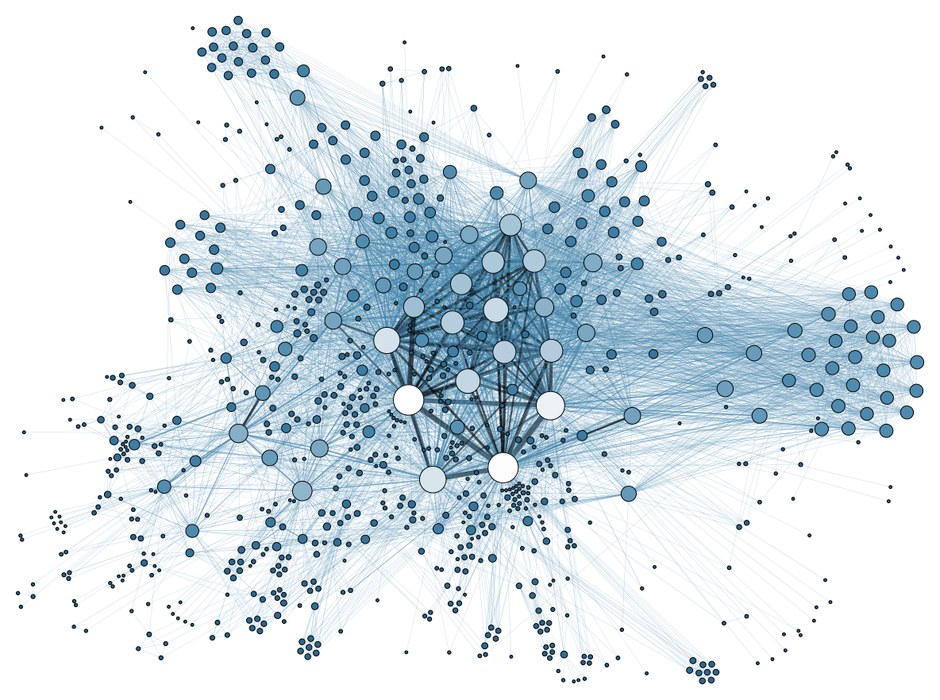
A plain-language field guide to how large language models decide what your company is, who it competes with, and whether to mention you at all. AI does not read a homepage the way a customer does. It assembles a mental model from six raw materials - entities, relationships, sources, repetition, consensus, and freshness - and the companies that understand those six levers are the ones that get named when someone asks an AI for a recommendation.
YesPress is an editorial engine built for the age of answer engines. It gives a company its own always-on newsroom, publishing structured stories under the company's own name so that ChatGPT, Gemini, and Perplexity have an authoritative public record to cite. The pitch is blunt: your next customer starts with an AI assistant, not your homepage, and AI can only recommend what it can understand. YesPress turns launches, wins, and expertise into machine-readable stories, shipped within 24 hours with entity markup, then tracks which engines quote them.
A field guide to Generative Engine Optimization (GEO): the practice of structuring your content and earned-media footprint so ChatGPT, Perplexity, and Gemini cite your startup as a source. It explains why citations equal retrieval trust, the platform-specific mechanics, a step-by-step playbook, and the single biggest mistake founders make — publishing only when they raise. It closes with YesPress as the engine that runs GEO on a continuous schedule.
YesPress is an AI newsroom: a publishing engine that turns a company's raw material into structured, citable stories published on a branded newsroom of its own, so generative engines like ChatGPT, Perplexity, and Gemini understand and retrieve the company when it matters. Where traditional PR chases headlines and GEO dashboards measure visibility, YesPress publishes the source material AI actually reads — consistently — so visibility compounds through citation and trust.
A field report on the quiet reason mid-sized companies vanish from AI answers: not quality, not product, not people, but publishing cadence. Salesforce and Microsoft publish daily. Most companies publish quarterly. The models cite what exists, and the rest becomes a guess.
In this episode of Lenny's Podcast, Ethan Smith, CEO of Graphite and a veteran SEO expert, breaks down answer engine optimization (AEO) - the practice of getting your product to show up inside answers from ChatGPT, Gemini, Claude, and Perplexity. He explains why AEO is the second-biggest shift in his 18-year SEO career, how it differs from traditional SEO (the head and the tail are different), why being mentioned most often across citations matters more than ranking first, and shares a tactical seven-step playbook covering question research, tracking, landing pages, and off-site citation strategies across YouTube, Reddit, and affiliates. He also debunks widespread AEO misinformation and warns of the dangers of AI-generated content and model collapse.
As AI answer engines replace the ten blue links, being cited beats being ranked. This YesPress story unpacks Answer Engine Optimization (AEO) — the practice of structuring content at the fact level so ChatGPT, Perplexity, Gemini, Claude, and Google AI Overviews quote you verbatim — and explains why YesPress builds verified, machine-legible profiles so generative engines cite confirmed facts about founders and companies instead of half-remembered ones.