care-transitions
(5)
Get Well wants the patient in on the plan
A cancer survivor built Get Well to give patients a larger part in their own care. Its journey from bedside screens to AI assistants reveals how much healthcare depends on what happens between appointments.
Clarest Health Wants to Follow the Pills Home
Built in nursing-facility pharmacies, Clarest Health is taking medication management to the kitchen counter. Its bet: the prescription matters less if nobody can keep the daily routine straight.

WellSky Put a $1.35 Billion Bridge Between the Hospital and Home
The former Mediware spent years assembling the overlooked machinery of post-acute care. Now its biggest test is turning a cabinet of specialist software into one intelligent network - without making care teams learn another disconnected tool.

Radial
Radial (Radial Analytics, Inc.) is a Concord, Massachusetts healthcare technology company that builds AI-driven decision support software for value-based care. Its flagship platform, Smart Placement, uses machine learning and natural language processing to help hospitals, health plans, and accountable care organizations decide - in real time - which patients can safely recover at home instead of in a skilled nursing facility after a hospital stay. Founded in 2014 by former Locately co-founders Thaddeus Fulford-Jones and Eric Weiss alongside physician Anant Vasudevan, Radial applies 'nudge theory' at clinical crossroads moments to lower costs and improve outcomes without overriding clinician judgment.
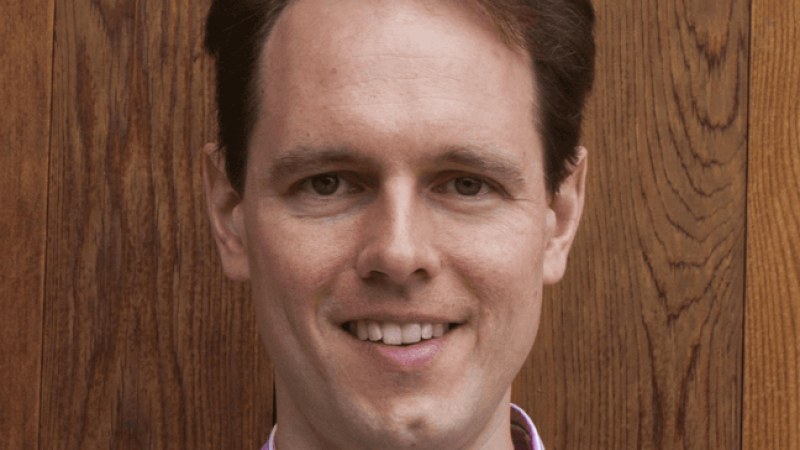
Thaddeus Fulford-Jones
Thaddeus Fulford-Jones is the London-born, MIT-trained engineer who co-founded and leads Radial (formerly Radial Analytics), a Concord, Massachusetts healthtech company that uses AI to guide clinicians through the high-stakes 'crossroads moments' of patient care - especially deciding where a patient should go after leaving the hospital. A serial founder, he earlier built and sold Locately, a pioneering GPS shopper-analytics firm acquired in 2012, before turning his fascination with behavioral 'nudge theory' and large-scale data toward value-based care. Radial's platform has analyzed data from 18 million patients and 82 million encounters to help more people recover safely at home.