brick-and-mortar
(11)
The Retail World Runs on Guesses. MarketDial Sells Proof.
A pair of Salt Lake City founders - one ex-VC, one ex-McKinsey - built software that lets chains like Kum & Go, Dick's, and Woolworths test a store idea in a few dozen locations before betting the whole business on it. Then they took the incumbent to court.

The Store That Sells CPUs at a Loss - and Wins Anyway
While rival electronics chains shrank or died, this Ohio-based retailer kept opening 35,000-square-foot stores - and turned DIY PC builders into one of retail's most loyal fan bases.
The $5 Thrill That Built a 1,970-Store Retail Machine
Five Below turned pocket-money prices, pop-culture timing and the pleasure of the unexpected into a national retail system. Its real product is not any one squishy toy or charging cable - it is permission to say yes.

Dollar Tree Stores
For 39 years the whole store cost a dollar. Now the trip costs $1.25 - and Dollar Tree is wagering that a price you can do in your head still beats a coupon you have to hunt for.
Sportsman's Warehouse
How a single Utah outfitter turned camo, cartridges and reloading powder into a $1.2 billion business - and why its edge is the stuff Amazon can't ship.

Kepler Analytics
Kepler Analytics is a Melbourne-founded retail technology company that helps brick-and-mortar retailers grow store sales through AI-powered foot-traffic sensors and a cloud analytics platform. By measuring how many people pass by, enter, dwell and convert in a store, Kepler turns physical retail into a data-driven operation - benchmarking store performance, guiding staffing and layout, and informing where to open, close or renegotiate leases. The company serves roughly 500 retailers across more than 30,000 locations in 35 countries.
Genesco Inc.
Genesco Inc. is a Nashville-based, footwear-focused retailer and brand operator founded in 1924. Trading on the NYSE as GCO, it runs more than 1,200 stores and a portfolio of retail and lifestyle brands - Journeys, Journeys Kidz, Little Burgundy, Schuh, and Johnston & Murphy - alongside a wholesale and licensed-brands business (Dockers, Levi's, Bass and others). The company generates roughly $2.3-2.4 billion in annual revenue and pairs physical stores with branded e-commerce across the U.S., Canada, and the U.K.

Marine Layer
Marine Layer is a San Francisco-based casual apparel brand built around one obsession: absurdly soft clothes. Founded in 2009 by Mike Natenshon and Adam Lynch, the company built its identity on proprietary fabrics - blends of Supima cotton, MicroModal spun from beechwood pulp, and recycled fibers - sold through a direct-to-consumer model spanning e-commerce and 55+ retail stores. A Certified B Corporation, Marine Layer runs a textile take-back program called Re-Spun that has collected over a million used T-shirts and turns them into new garments. The brand sits in the premium-casual, California-lifestyle segment, competing on comfort, sustainability credentials, and a laid-back aesthetic.
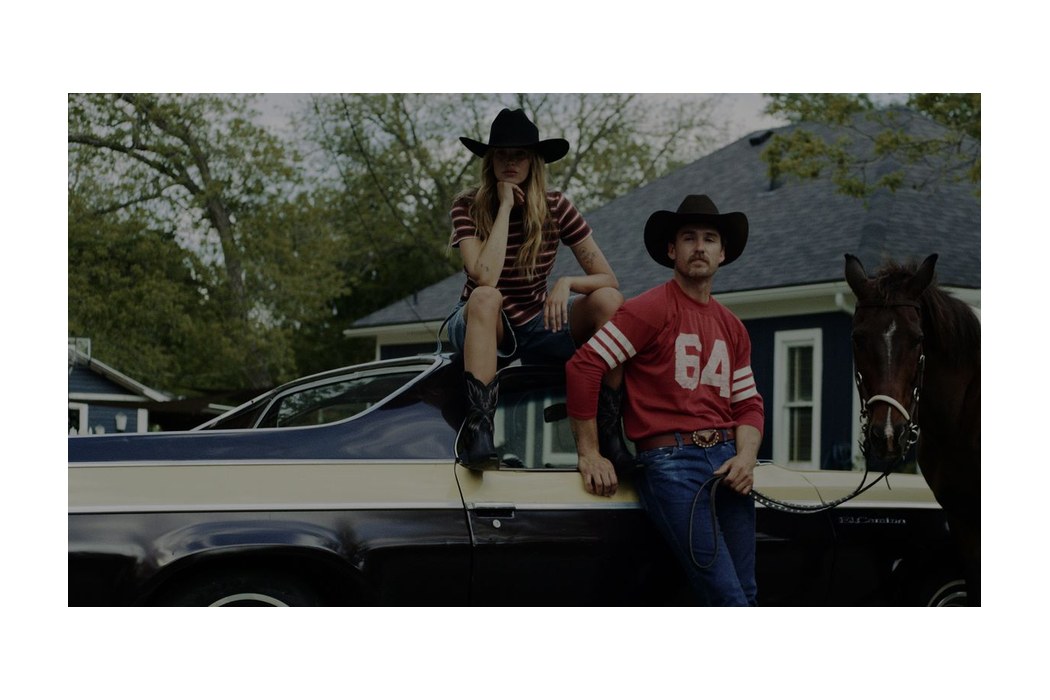
Tecovas
Tecovas is an Austin, Texas-based western brand that set out to be the "Warby Parker of cowboy boots" - selling handmade, León, Mexico-crafted leather boots and western apparel directly to consumers at attainable prices. Founded in 2015 by Paul Hedrick, it grew from an online-only startup into an omnichannel retailer with more than 50 stores, roughly $300 million in expected sales, and a loyal community drawn to its blend of heritage craftsmanship and modern retail.
ThirdChannel
ThirdChannel is a Boston-based retail execution company that pairs cloud software with a nationwide network of vetted, on-demand brand representatives. Founded in 2012, it gives consumer brands and retailers real-time visibility into what is actually happening on store shelves - from merchandising compliance and inventory to assisted selling and audits - so decisions at the point of sale are driven by data rather than guesswork.

Focal Systems
Focal Systems is a Burlingame, California computer-vision company building what it calls the Self-Driving Store. Its battery-powered shelf cameras digitize aisles every hour and feed FocalOS, a retail operating system that automates ordering, restocking, planogram compliance and labor scheduling for some of the world's largest grocers, including Walmart and Morrisons.