augmented-reality-surgery
(4)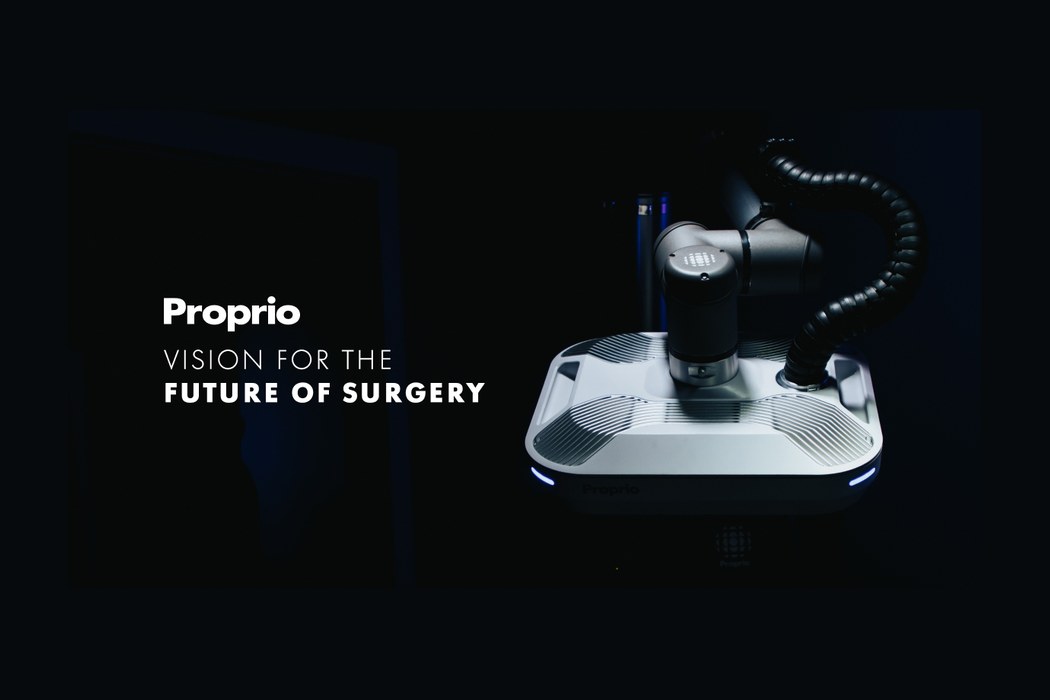
Proprio
Proprio is a Seattle medical technology company building an AI-powered surgical navigation platform, Paradigm, that uses light field imaging, computer vision, and machine learning to give surgeons a continuous, radiation-free 3D view of anatomy during spine surgery. Spun out of the University of Washington in 2016, the company fuses live intraoperative sensing with preoperative scans - a capability it calls Volumetric Intelligence - to improve precision, capture surgical data, and build a foundation model for surgery.

eXeX
eXeX (short for eXpanded eXistence) is an Orlando-based medtech company building a Surgery Intelligence platform that captures a surgeon's setup knowledge and delivers it - as playbooks, checklists and holographic guides - to every member of the operating-room team, on every device. Founded in 2022 by neurosurgeon Dr. Robert Masson, the company targets the unglamorous logistics of surgery: room setup, instrument sequencing, staff onboarding and workflow tracking. In 2024 it became the first company to bring Apple Vision Pro into a live operating room as an organizational tool, and it raised a $5.8M seed round to fund a commercial launch across the US and UK.

Mina Fahim
Mina Fahim is the CEO and President of MediView XR, a Cleveland-based medical technology company giving clinicians a form of 3D 'X-ray vision' by fusing CT scans and live ultrasound into holograms surgeons can see through a headset. A University of Minnesota-trained biomedical engineer and former Medtronic research engineer, he helped steer MediView to the first FDA 510(k) clearance for an AR device that combines live imaging with 3D XR visualization (the XR90), a $24M Series A led by GE HealthCare, and the world's first-in-human AR tumor ablation at the Cleveland Clinic. His mantra: simplify, democratize, and inform care.

Eldrick Millares
Eldrick Millares is the co-founder and co-CEO of Illuminant Surgical, a Los Angeles deep-tech company building Skylight, the first real-time anatomical projection system. It paints a patient's internal anatomy directly onto their skin so surgeons get a kind of live X-ray vision, no headset required. A Stanford-trained electrical engineer who immigrated from the Philippines to West Virginia, he built sensing systems at Apple and a lidar startup before teaming up with Stanford classmate Dr. James Hu. The pair went through Y Combinator, were named to Forbes 30 Under 30 in Healthcare, and raised an $8.4M seed round in 2026.