atopic-dermatitis
(10)
Bambusa Therapeutics wants to stop the itch at both ends
The Boston biotech is putting two antibody targets into one medicine, aiming to quiet inflammation and itch together. Its first patient results are intriguing; the next test is whether they hold up at scale.
Infinimmune Is Betting the Best Antibody Has Already Been Made
The Alameda biotech searches human immune memory for drug candidates, then uses computation to improve them. Its first big test is eczema: two antibodies, $87 million in disclosed funding, and clinical studies planned for 2027.
Attovia Therapeutics
Attovia Therapeutics is a San Carlos, California clinical-stage biotech developing first-in-class multispecific biologics for immune-mediated diseases. Its proprietary ATTOBODY platform builds small-format, biparatopic nanobody medicines with ultra-high (picomolar) affinity, tunable half-life and fast tissue penetration - engineered to hit multiple disease pathways at once. Lead programs ATTO-1310 (anti-IL-31) and ATTO-3712 (IL-13 x IL-31 bispecific) target chronic pruritus and atopic dermatitis. Founded in 2023 out of an Alamar Biosciences and Frazier Life Sciences incubation, the company has raised roughly $255M across Series A through C.

Enveda
Enveda is a clinical-stage biotech that uses artificial intelligence to read the chemistry of the natural world and turn it into new medicines. Founded in 2019 by Viswa Colluru, the company built PRISM, a foundation model trained on more than a billion mass spectra, to decode the structure of natural molecules that traditional methods leave invisible. That platform has produced a pipeline of small-molecule drug candidates - led by ENV-294, an oral anti-inflammatory now in Phase 2 trials for atopic dermatitis and asthma. Backed by more than $700M in funding and valued as a unicorn, Enveda operates out of Boulder, Colorado and Hyderabad, India.

IgGenix, Inc.
IgGenix is a clinical-stage biotechnology company in South San Francisco developing fully human, allergen-specific antibody therapeutics for severe food and environmental allergies. Its proprietary SEQ SIFTER single-cell RNA-sequencing platform isolates the rare IgE-producing B cells behind allergic reactions and re-engineers them into protective IgG antibodies designed to block the allergic cascade. The lead candidate, IGNX001, is in a Phase 1 trial for peanut allergy.

Siolta Therapeutics
Siolta Therapeutics is a clinical-stage biopharmaceutical company spun out of UCSF that develops defined-consortia live biotherapeutic products to prevent and treat diseases rooted in a disrupted microbiome. Its lead program, STMC-103H, is an oral multi-strain therapy aimed at preventing atopic diseases such as atopic dermatitis and food allergy in newborns, built on the company's proprietary Precision Symbiotics Platform.
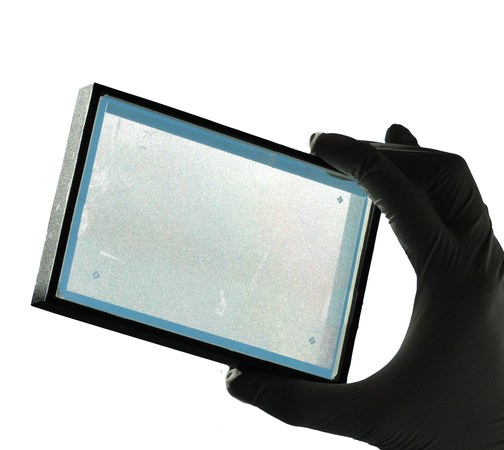
Concerto Biosciences
Concerto Biosciences is a Cambridge, Massachusetts microbiome company that turns microbial ecology into health products. Its patented kChip platform screens millions of microbial interactions in nanoliter droplets to discover 'ensembles' - small, defined groups of microbes that work together to shepherd a damaged microbial community back to health. The company's lead program, ENS-002, is a topical live biotherapeutic for atopic dermatitis that suppresses Staphylococcus aureus without nuking the skin's helpful microbes. Founded in 2020 by scientists out of MIT and the Broad Institute, Concerto pairs ultra-high-throughput biology with AI to make microbial communities predictable and engineerable.
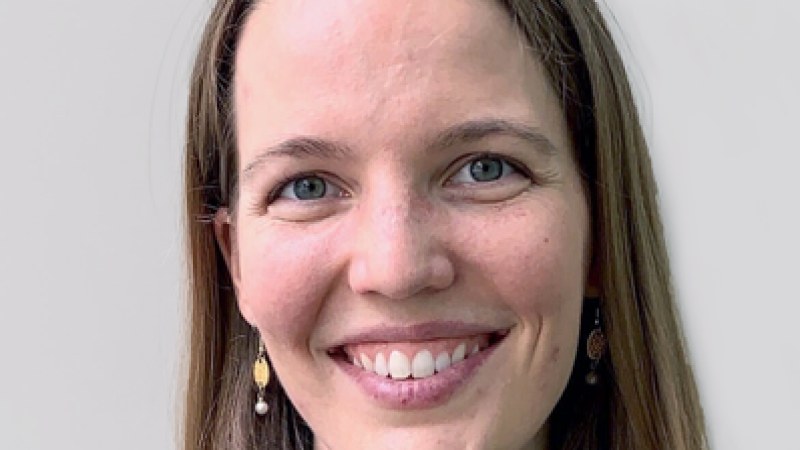
Cheri Ackerman Araromi
Cheri Ackerman Araromi is the cofounder and CEO of Concerto Biosciences, a Cambridge, Massachusetts biotech that reads the social lives of microbes the way a producer reads a band. Using kChip, a droplet screening platform she helped build during her postdoc at the Broad Institute, Concerto tests how thousands of microbial combinations interact and assembles the winning ensembles into products for skin health, agriculture, and beyond. A Hertz Fellow with a Berkeley PhD in chemical biology, she frames the future of medicine as building healthy ecosystems rather than killing bad cells with toxins.

Triveni Bio
Triveni Bio is a clinical-stage biotechnology company in Watertown, Massachusetts building first-in-class antibody therapeutics for immunological and inflammatory (I&I) diseases. Born from the 2023 merger of Amagma Therapeutics and Modify Therapeutics, the company pairs a genetics-informed approach with advanced antibody engineering to target root-cause biology rather than just downstream inflammation. Its lead program, TRIV-509, is a half-life-extended monoclonal antibody that inhibits active kallikreins 5 and 7 (KLK5/7) and is in a global Phase 2 proof-of-concept study for moderate-to-severe atopic dermatitis. Backed by roughly $223M across Series A and Series B rounds, Triveni aims to repair the skin barrier and break what it calls efficacy ceilings in dermatology and beyond.

Vishal Patel
Vishal Patel is the co-founder and CEO of Triveni Bio, a Watertown, Massachusetts biotech betting that genetics, not trial-and-error, should decide which antibodies reach patients with immune and inflammatory diseases. He stitched the company together from a two-startup merger, raised more than $200 million across Series A and B rounds, and pointed its lead programs at the skin enzymes behind atopic dermatitis. A Harvard PhD and MIT MBA who once helped draft healthcare legislation on Capitol Hill and still serves as a US Navy reservist, Patel runs a lab while keeping a foot in venture as an Atlas advisor.