antisense-oligonucleotide
(3)
AusperBio
AusperBio is a clinical-stage biopharmaceutical company operating in the United States and China that develops antisense oligonucleotide (ASO) therapies aimed at a functional cure for chronic hepatitis B. Built on its proprietary Med-Oligo ASO platform and targeted delivery technology, its lead candidate AHB-137 is an unconjugated ASO advancing into Phase III trials in China, with early data showing a 30% functional cure rate in a subset of patients. Founded in 2019 and headquartered in San Mateo, California, the company has raised over $200 million to date.

Trace Neuroscience
Trace Neuroscience is a South San Francisco biopharmaceutical company developing genomic medicines for neurodegenerative diseases, starting with ALS. Its lead program, TRCN-1023, is an antisense oligonucleotide designed to restore UNC13A protein function - a target genetically validated in roughly 97% of people living with ALS - by correcting the faulty RNA splicing caused by TDP-43 dysfunction. The company launched in November 2024 with a $101 million Series A led by Third Rock Ventures and entered the clinic in 2026.
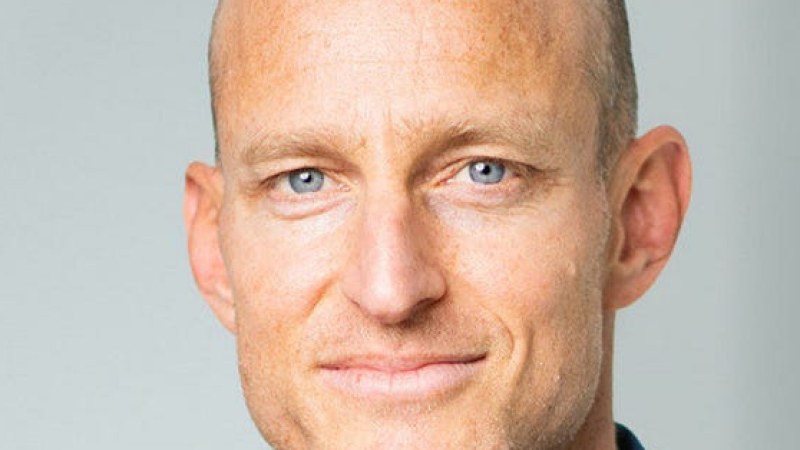
Eric Green
Eric Green is the Founder and CEO of Trace Neuroscience, a South San Francisco biotech company racing to develop the first effective ASO therapy for ALS. A Harvard-and-Stanford-trained physician-scientist with a background in cardiology, Green co-founded iLab Solutions (acquired by Agilent), Respira Design (Stanford $50K Challenge winner), and Maze Therapeutics before launching Trace with a $101 million Series A in November 2024. Trace's lead program targets UNC13A - a protein lost in ALS patients - using an antisense oligonucleotide designed to restore healthy nerve-muscle communication. With clinical trials targeting early 2026, Green is betting human genetics can do for ALS what it did for heart failure.