ai-productivity
(3)
Sergei Sorokin
Sergei Sorokin is the co-founder and CEO of Highlight, a San Francisco company building a shared intelligence layer for the agentic age of work. He spent roughly eight years at Discord as one of its earliest product hires and eventual VP of Product, helping scale the platform from a few million users to hundreds of millions and building its revenue business, including Nitro, from zero. After Discord he advised and built AI startups, then took the helm of Highlight in March 2026 alongside a $40M Series A led by Khosla Ventures. His thesis: in the workplace, AI is no longer bottlenecked by intelligence, but by coordination.
Harry Qi
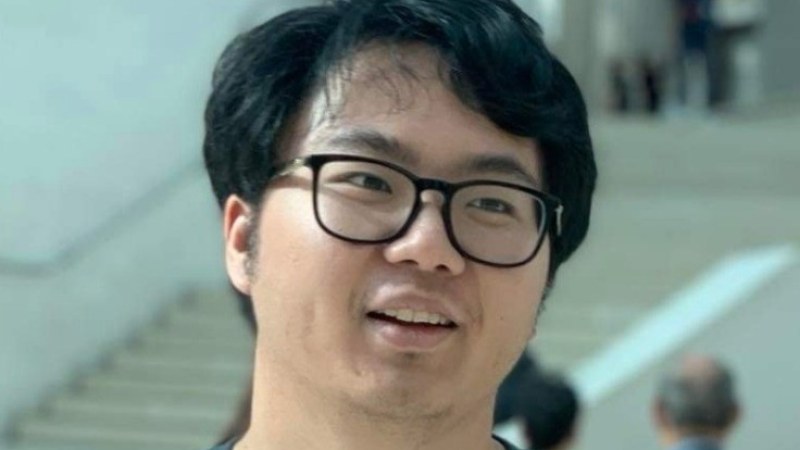
Harry Qi is the co-founder and CEO of Motion (usemotion.com), an AI-native productivity company building an 'agentic work suite' of AI employees that schedule calendars, run sales and support, and manage projects for knowledge workers and small businesses. At 23 he walked away from a roughly $1-million-a-year quant trading job at Optiver to start the company in 2019 with two friends, took it through Y Combinator's Winter 2020 batch after a Demo Day where 150 investors said no, and rebuilt it into an AI platform that grew from $0 to more than $10M ARR in its B2B agent bundle within months of a May 2025 launch. In September 2025 Motion raised a 5x-oversubscribed $38M Series C at a $550M post-money valuation.
Scott Wu
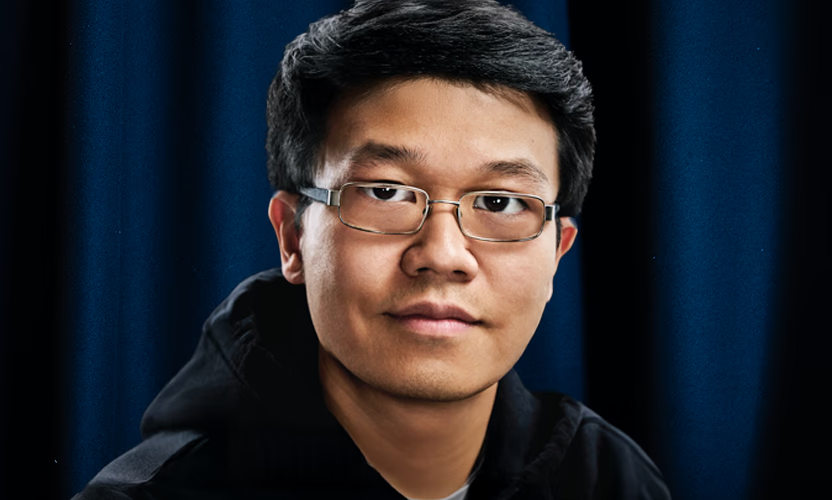
Scott Wu is the co-founder and CEO of Cognition, the AI company behind Devin - widely recognized as the world's first autonomous AI software engineer. A three-time International Olympiad in Informatics gold medalist from Baton Rouge, Louisiana, Wu started coding at age 9, interned at a fintech startup as a high schooler alongside future Scale AI founder Alexandr Wang, briefly attended Harvard, then spent five years building Lunchclub as CTO before co-founding Cognition in 2023 with fellow competitive programming champions. Under his leadership, Cognition grew from a 10-person apartment startup to a $10.2 billion company with over 200 employees, acquired Windsurf in July 2025, and raised $675 million in total funding - with Devin's annualized revenue surging from $1 million to $73 million in under a year.