An ocean-bound vessel has a departure time. In a 2012 announcement about Fesco North America, Stratogent’s then-CEO Chetan Patwardhan described learning the time sensitivity of releasing one. This is a surprisingly good introduction to an IT services company now associated with biotechnology. The servers were part of a much larger sequence of events. Understanding the machinery meant understanding what the customer needed to happen next.
- Stratogent runs infrastructure and cybersecurity operations around the clock.
- Its specialty is complex environments, especially biotech and pharma.
- PTP acquired it in March 2025, combining managed operations with broader cloud and scientific IT capabilities.
A ship has a schedule
Fesco’s president, Mike Evans, said Stratogent had managed its systems for seven years. He credited the relationship with lower operating costs and faster responses to customer-affecting issues. The renewal announcement named other customers, including Omnicell and Codexis. These were businesses with different products but a common dependency: computer systems had become part of delivering the product itself.
The following February, Stratogent announced expanded offices in California and Bengaluru. It reported a 160% increase in its client base during 2012. That is a company-reported growth figure, with no customer count attached. The practical response was more space and technical staff, including capacity for its network operations center. Growth required people who could keep the promise after the sale.
“What really sold us on Stratogent was their consistent delivery of superb customer service and vast expertise.”
Mike Evans, Fesco North America president · 2012
The lab is bigger than the cloud
Today, Stratogent describes its territory as high-touch, high-change IT, particularly in biotech and pharmaceuticals. Its capabilities include AWS, Azure, complex networking, vulnerability management, managed detection and response, lab IT and manufacturing IT. The breadth matters. Moving an application into a cloud does not remove the local network, the user’s device or the systems still sitting elsewhere.
Consider the dependencies rather than a particular customer incident. A researcher needs access, connectivity, available computing and usable data. A fault anywhere along that chain can interrupt work. Buying a separate tool for each dependency still leaves someone responsible for joining the pieces. Stratogent’s proposition is to build and operate across on-premises systems, data centers and clouds, adding monitoring, automation and security.
For a lean internal IT department, that makes the company an operating partner. Engineers can retain responsibility for business priorities while an external team handles agreed infrastructure duties. The distinction is useful when comparing alternatives: an internal hire, a general managed services provider, or several specialist suppliers. The decision turns on which responsibilities the buyer needs covered together.
An operating partner, by the contract
Stratogent’s business is services: ongoing operations and professional consulting, rather than a self-serve software subscription. Customers buy technical work, availability and a defined relationship. Infrastructure design and implementation sit alongside the continuing job of monitoring and maintaining systems. A completed migration therefore marks a change in the work, rather than the disappearance of it.
PTP’s current UserOps page makes the commercial mechanics more concrete. It describes remote support consumed through ticket blocks, onsite work billed hourly, and dedicated resources billed monthly. Those are the parent company’s published models. For a buyer, they suggest a useful budgeting exercise: separate predictable coverage from variable work, then decide how much onsite presence the environment needs.
The same care belongs in compliance discussions. FDA/GxP support appears among Stratogent’s specialties, and the acquisition announcement emphasized regulatory expertise. A buyer should translate that into specific responsibilities, documentation and controls for its own environment. The practical purchase is work that supports compliance; the contract still needs to explain who approves changes and who keeps the evidence.
The people on the other side
Pradeep Kumar’s account supplies a human marker in the company’s expansion. He wrote that he joined the US headquarters in 2007 and established the India operations in 2008. When he announced his departure after eighteen years, he thanked Jishnu Mitra, Patwardhan and Sudhir Damle. It is a reminder that an operating relationship rests on accumulated knowledge as well as coverage hours.
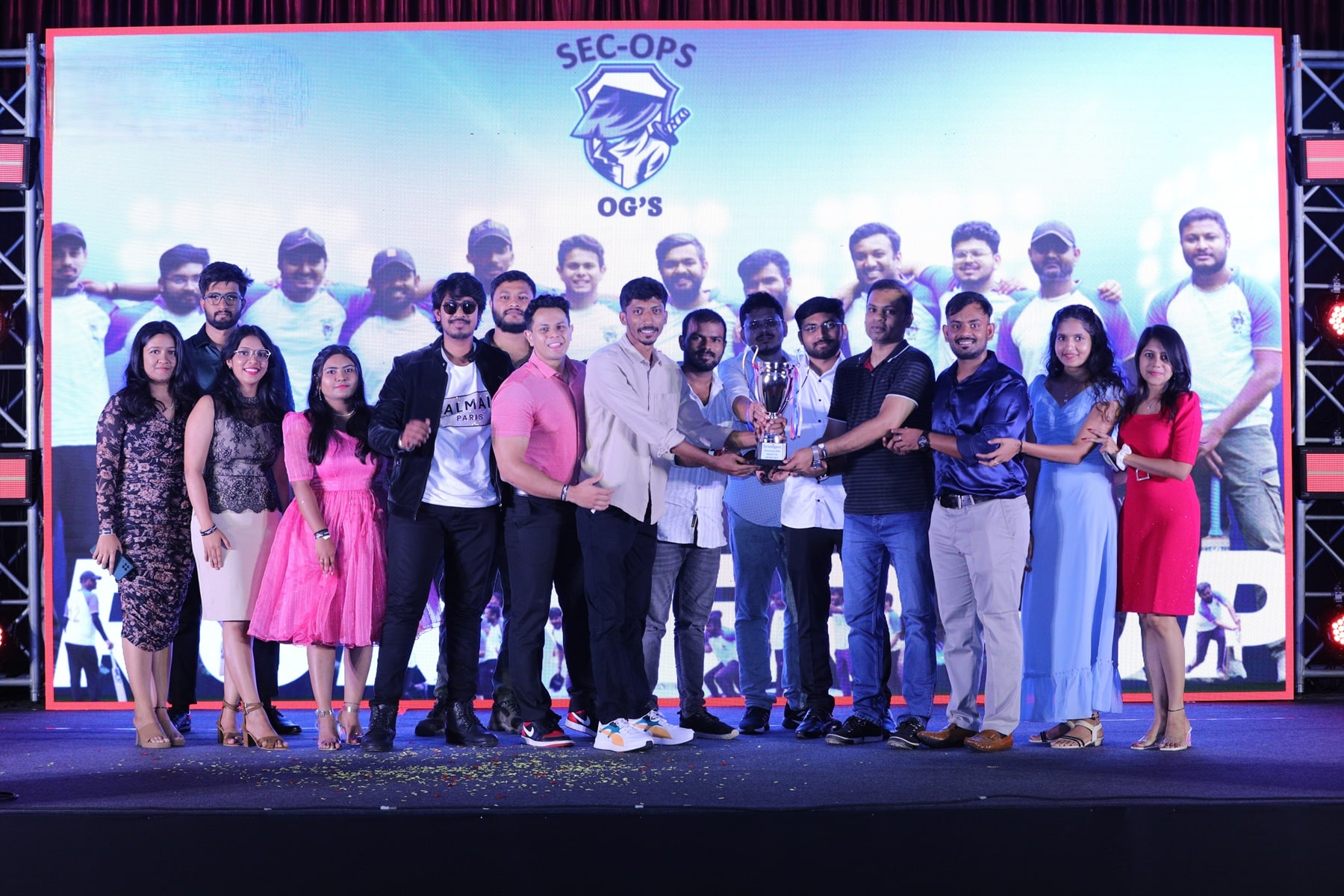
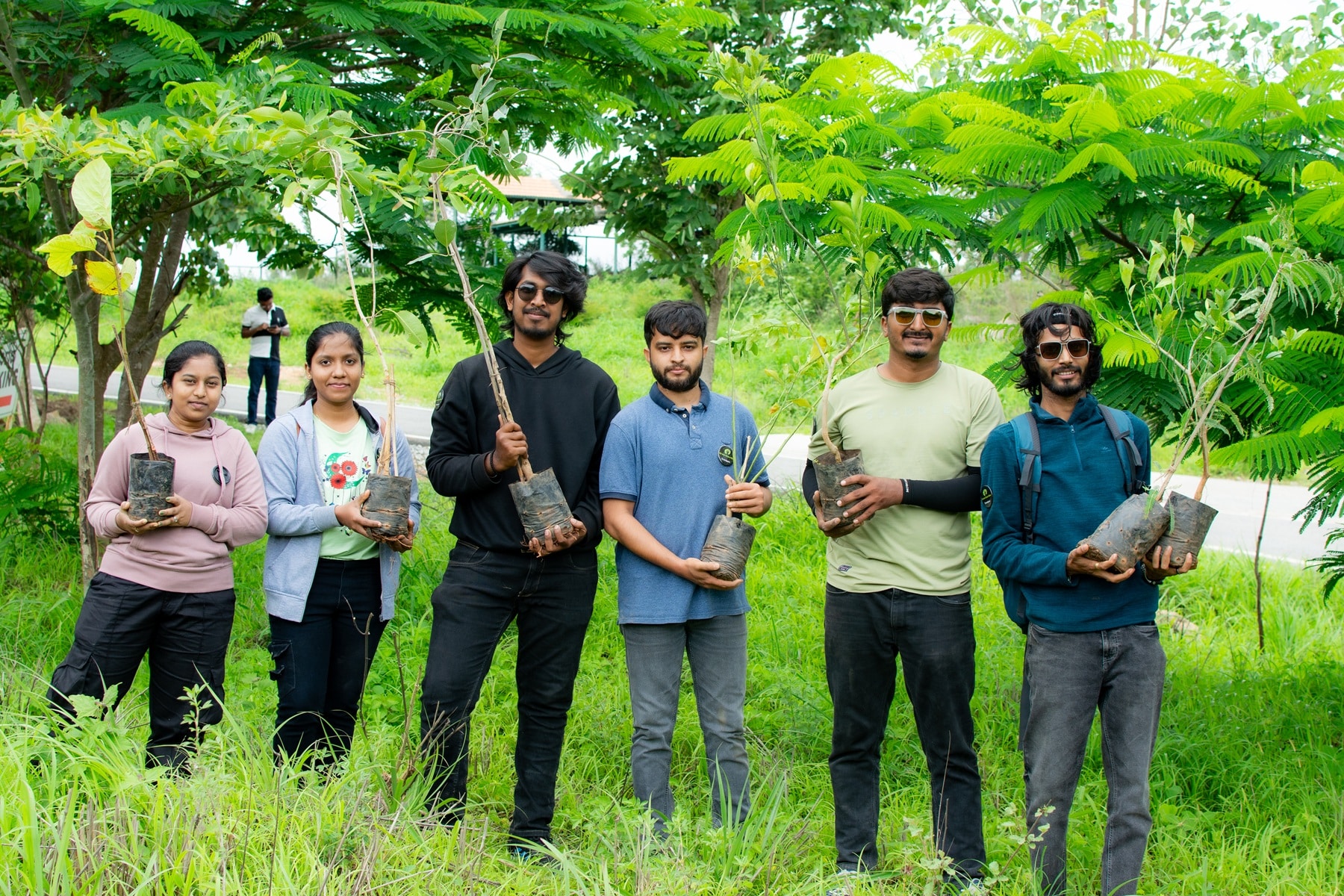
The current PTP India careers page describes engineers dealing directly with clients, a flat hierarchy and an expectation of ownership. Treat that as the employer’s description of its culture. Its photographs offer smaller, visible details: colleagues playing sports, celebrating together and carrying saplings at a community event. Behind an always-available service are people who also need a team.
Strato-4.0
PTP announced the acquisition on March 18, 2025. Its case was complementary expertise: cloud capabilities alongside Stratogent’s managed operations, serving biotech organizations navigating research, growth and regulation. The announcement described a combined team of more than 300 client-facing engineers. That number belongs to the combined organization at announcement, rather than to Stratogent alone.
Client-facing engineers in the combined organization, as described in the March 2025 acquisition announcement.
Stratogent’s own acquisition post supplied the geography. Together, the companies could cover East and West Coast biotech centers and combine US and India delivery teams. It also described broader services spanning cloud, security, networking, development, users and labs. The nickname was “Strato-4.0.” The explanation was expansion of capabilities while continuing existing customer commitments.
Follow one alert
The lesson a reader can copy is straightforward: before buying support, follow one possible failure through the proposed service. Who notices it? Who investigates? Who has permission to act? Who restores service? This is a buying exercise, rather than a reported Stratogent incident. It tests whether the coverage on paper matches the dependencies in the business.
The model fits organizations with enough operational complexity to need continuing outside expertise. A small, stable setup may need much less; a business seeking only a software license is shopping for a different thing. For everyone else, the useful question is what must keep happening while the technology changes. A ship leaves. A researcher gets back to work.
Stratogent / now PTP ↗ LinkedIn ↗ X ↗ Facebook ↗
PTP insights ↗ Explore PeakPlus ↗ Acquisition announcement ↗
Video and current service links are from parent company PTP.