The gas cylinders were gone. The rent kept coming. In a four-hospital health system, SpendMend found a remarkably durable expense: payments for cylinders that no longer existed. The supplier had not audited the cylinders since 2007. An ordinary recurring charge had outlived the thing being rented.
SpendMend’s published case study reports a $164,000 annualized benefit across expense reductions, credits and cost avoidance. The work included invoice analysis, negotiations and revised contract terms requiring annual cylinder audits. The revealing detail is that last one. Counting the cylinders became part of the agreement.
- Recover overpayments and overlooked supplier credits.
- Compare invoice detail with the contract behind it.
- Help pharmacy buyers choose preferred products and suppliers.
- Change the process that let the money escape.
01 The hospital inside the paperwork
SpendMend works in the administrative spaces around patient care: accounts payable, procurement, pharmacy and compliance. Its customers are the people responsible for what hospitals buy, what they pay and whether those two things agree. The company says it serves more than 150 major U.S. health systems.
A recovery audit searches for duplicate payments, missed credits and contract discrepancies. SpendMend combines transaction analysis with auditors who validate claims and work with suppliers. An online portal lets clients review the results. Software helps locate the problem; people still have to establish that the money is owed.
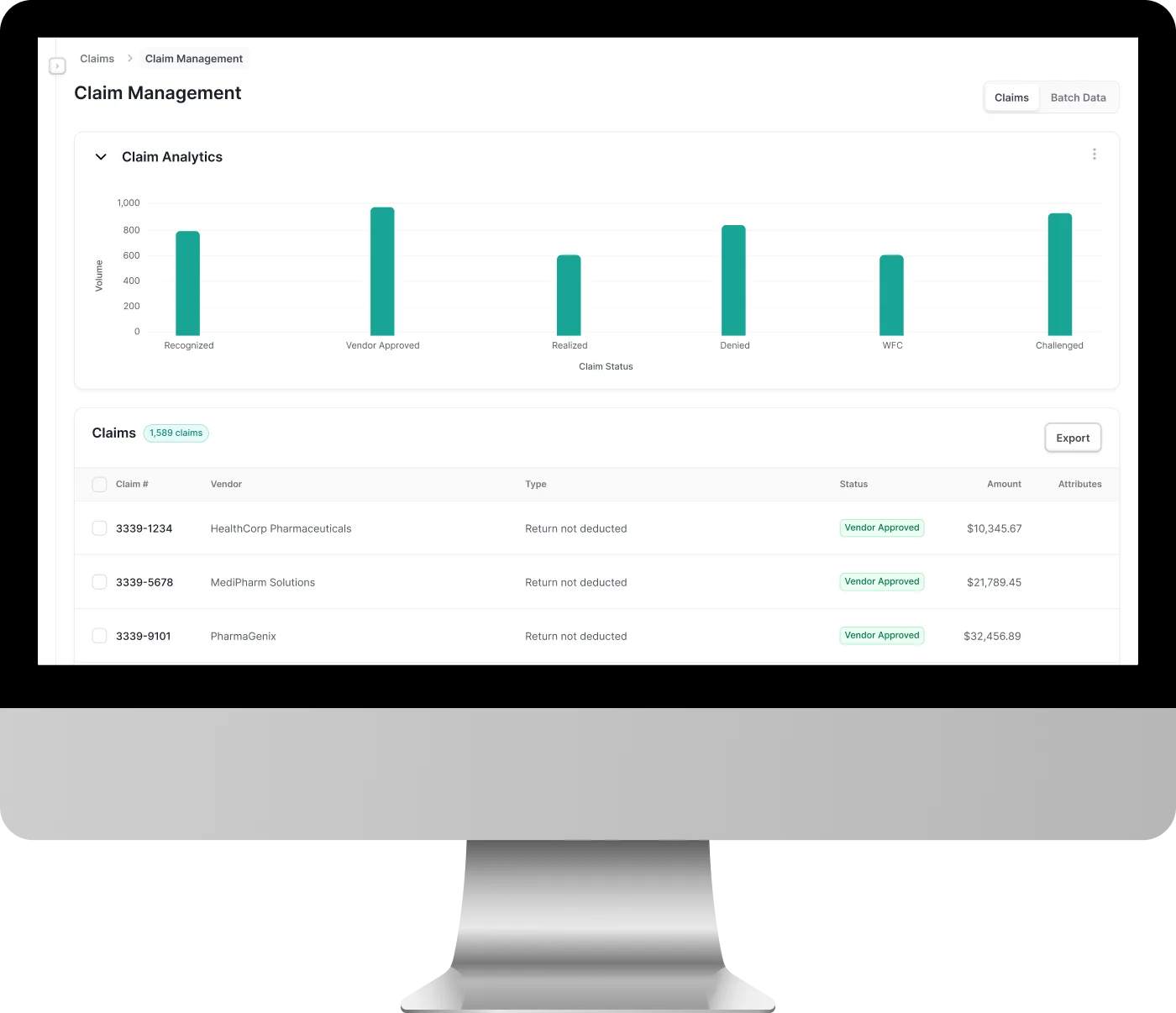
The company calls overlooked or inaccessible information “dark data.” The phrase sounds mysterious. Its practical meaning is familiar: the invoice line nobody compared with the contract, or the vendor credit that never reached the right ledger. SpendMend’s advantage depends on connecting records that daily workflows leave apart.
That connection depends on access. SpendMend recommends bringing purchase orders, receipts, vendor records and paid history into a recovery review. A payment file alone can tell an auditor what went out. The surrounding records help establish what should have gone out, which credit belongs where, and whether a discrepancy can become a supported claim.
02 A recovery has a price
The University of Texas Medical Branch offers a useful public example. Its August 2023 internal audit reported $5.7 million recovered by SpendMend between January 2016 and June 2023, at a total contract cost of $1.1 million. It separately described a 30% commission on recoveries accounts payable had not already initiated. Those are the report’s stated terms and totals, rather than a universal price list.
January 2016 - June 2023. Reported totals; contract eligibility rules apply.
The report also found that duplicate payments continued despite additional procedures and training. That is the practical limit of an audit: finding a mistake does not automatically change the routine that produced it. UTMB’s follow-up called for documenting corrective actions. A recovered payment needs an owner for what happens next.
SpendMend’s recovery service generally uses contingency pricing, with flat monthly arrangements available. Other engagements have different economics. A 2021 San Francisco proposal for a defined four-year 340B consulting scope budgeted $382,000 before contingency. Buyers need to establish the scope, fee basis and responsibilities for each service.
For a buyer, the distinction between a discovered opportunity and a collected credit matters. So does the distinction between a refund, a lower future bill and an avoided expense. They can all create value, but they answer different budget questions. A sensible review asks what was actually recovered, which savings have been implemented and what work remains with hospital staff. The useful number is the one a finance team can reconcile to its own records, with the vendor’s fee understood alongside it.
03 Keep the next dollar
By 2017, SpendMend was publicly arguing for a broader job. Rob Heminger described client feedback as part of the thinking behind moving beyond traditional recovery auditing. The company’s formulation was admirably plain:
“A dollar retained is more valuable than a dollar recovered.”SpendMend / 2017
The portfolio followed that argument. SpendMend acquired purchased-services specialist VIE Healthcare Consulting and pharmacy software company Trulla in 2022, Rebate Insight in 2023, and equipment resale platform Mazree in 2025. Each adds another place to examine spending: supplier agreements, drug orders, rebates or equipment a hospital no longer needs.
Capital helped finance the expansion. Oxford Finance announced a $55 million credit facility in 2020, supporting refinancing, acquisitions and working capital. Morgan Stanley Capital Partners-managed funds acquired a controlling interest in 2022. Spectrum Health Ventures and Memorial Hermann Health System subsequently invested. These transactions describe debt and ownership changes, rather than one interchangeable funding total.
04 The decision before the order
Trulla moves the intervention earlier. Its cloud procurement software helps pharmacy buyers route orders to preferred suppliers and National Drug Codes, the identifiers attached to drug products. Analytics show purchasing patterns and price differences. Instead of discovering an expensive choice after payment, the buyer gets information while making the choice.
Froedtert’s experience makes the distinction concrete. According to SpendMend’s January 2026 case study, the health system already had a capable centralized procurement operation. Growth, shortages and price changes made consistent purchasing harder. Leaders checked references before proceeding, and implementation moved through locations in phases.
There is expertise behind those comparisons. Trulla was built by pharmacy professionals, and SpendMend also offers separate 340B compliance auditing and professional services. For a hospital buying across several locations, purchasing efficiency and program requirements must be considered together. Choosing a cheaper product only helps if the order also fits the organization’s purchasing rules.
Clinical handoffs can be harder to change. In another published case, a health system adopted SpendMend’s Explants service to coordinate device warranty work. Training took longer than expected because clinical schedules were difficult to align. Individual and refresher sessions helped. Software still needed a place in the working day.
05 Count what you can change
SpendMend occupies the space between recovery auditors, procurement consultants and specialist software. PRGX and apexanalytix offer overlapping audit capabilities. SpendMend’s pitch centers on healthcare expertise and the breadth of its services. In June 2026, Trey Cook became CEO as founder Dan Geelhoed moved to the board.
The lesson readers can copy is modest and demanding: pick a recurring expense, reconcile the underlying detail, verify the claim and assign someone to fix the cause. Missing records, disputed entitlements or a team unable to change its routines can stop that chain. The gas-cylinder story works because someone checked both the bill and the cylinders.