The dirt-covered, violin-trained daughter of Hollywood who turned 90,000 Wembley strangers into believers - one unsettling three-minute truth at a time.
"Pop is a trojan horse; a three-minute smuggling of unsettling truths." - Sofia Isella
Some people grow into rebellion. Sofia Isella was born into it, violin in hand, at age two. By eight she was writing lyrics about Henry VIII's wives. By 21 she was standing on the Wembley stage, covered in dirt, playing dark indie-pop to 90,000 people who had come to see Taylor Swift - and she made them stay for her.
There is no obvious path from "Oscar-winning cinematographer's homeschooled daughter" to "the angriest, most interesting voice in indie-pop" - except that Isella has always understood something the industry takes years to teach: the stranger the truth, the stickier the song. Her father Claudio Miranda shot "Life of Pi" and "Top Gun: Maverick." Her mother Kelli Bean is a writer and memoirist. Their daughter absorbed both impulses and fused them into something neither expected.
The family moved everywhere - Taiwan, Canada, Louisiana, New Mexico, then Australia when COVID hit. Isella was homeschooled the whole way. Most kids would have found that isolating. She found it generative. "Boredom has given me creativity," she says, "and it's a fight to be bored in this world." That boredom - deliberate, curated, protected - is where her songs come from.
By late 2023, the song "Hot Gum" had accumulated 16 million Spotify streams. By August 2024, she was opening the Eras Tour at Wembley. By April 2026, she had released four EPs, completed her first world tour, and was headlining sold-out rooms across Europe. The math is dizzying, but the music is the point - sharp, cinematic, funny in the way that Sylvia Plath is funny: you only realize you're laughing once it's already hurt.
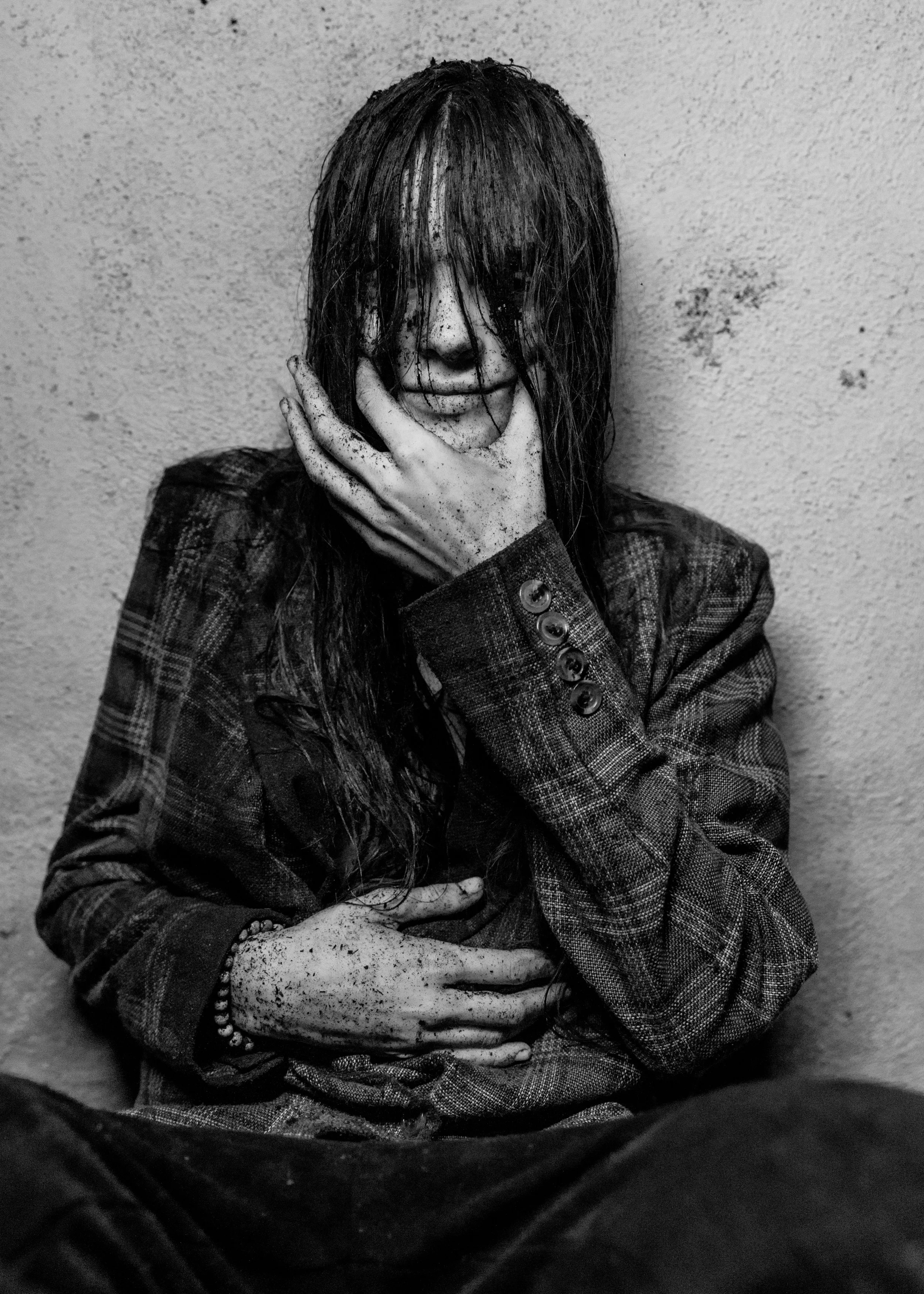
"How else would I act if not unsettling? Nothing else makes sense." - Sofia Isella
Sofia Isella picked up a violin at two. By school age, she was practicing five hours daily. Most child prodigies at a conservatory become technicians. Isella became a songwriter - which is a very different animal. She wrote her first lyrics at eight. They were about the wives of Henry VIII. This tells you everything about the mind that would later write "Everybody Supports Women."
The Colburn School in Los Angeles gave her the classical rigor. Homeschooling gave her the literary obsession. Between Taiwan, Canada, Louisiana, New Mexico and finally Burleigh Heads, Queensland (the COVID stop), she read Sylvia Plath, Margaret Atwood, Anne Sexton and Mona Awad - and found them more useful than any music theory textbook. When she discovered Plath around 16, she said it felt like recognition, not introduction.
TikTok found her before the labels did. Clips of violin performances and song snippets built a following in 2021 and 2022 - the kind of audience that shows up because they genuinely want to, not because an algorithm made a mistake. Her debut EP "I'm Not Yours" (2020) had arrived first, featuring songs she wrote at 14 and 15. They were not demos. They were already finished thoughts.
"Hot Gum" in 2023 was the accelerant. Sixteen million Spotify streams. Viral TikTok spread. A song that didn't apologize for its strangeness - which is exactly why it traveled so far. "Everybody Supports Women" arrived around the same time: a sharper, more pointed piece about the social mechanics of competition between women, inspired by watching a crowd turn on a woman for being simultaneously smart, beautiful, and kind.
Her creative philosophy is unusual enough to be worth quoting directly: "I hate the word potential, can't fucking stand it. Just hit it on the first try." She does not rewrite. She enters a state she describes as observation - "I don't start projects with high intelligence. I watch it happen" - and trusts what emerges. This is either terrifying discipline or rare confidence, depending on your relationship with creative work. For Isella, it's simply how it works.
Boredom is not a problem to be solved; it is the raw material. She actively protects it in an era that monetizes every idle moment. Her social media is entirely black, white, and sepia. She performs covered in dirt, in baggy monochrome clothes. The visual identity is not quirk - it is argument. The argument is that the inside of the work matters more than how you frame the outside.
The phrase "feminine rage" gets applied to a lot of music that is mostly just sadness with a louder mix. Isella's version is different. It has Trent Reznor's industrial precision, Courtney Love's refusal to behave, Fiona Apple's literary bite and Beck's structural unpredictability - and underneath all of it, Sylvia Plath's dark humor about the precise horror of being a woman in the world. Press have compared her to Billie Eilish, Ethel Cain and Halsey, which is useful shorthand but incomplete.
The themes: womanhood, misogyny, religion, pornography, fame, the body, societal critique, horror. The humor: dark enough that you have to sit with it a moment before you understand why it is funny. The form: pop songs, three minutes, Trojan horses. Critics at Far Out Magazine noted her voice is "effortless and acrobatic." Backseat Mafia said the songs "think hard, hit hard and still know how to hook." Clash wrote she works "with complete confidence in her abilities."
On March 30, 2024, Sofia Isella was asleep when her mother burst into the bedroom holding an email. The Eras Tour wanted her at Wembley. She still does not know exactly how Taylor Swift found her work - it simply arrived, out of nowhere, like the best creative things do.
August 15, 2024. Wembley Stadium, London. Sold out. Ninety thousand people who had come for sequins and friendship bracelets - and here was a 19-year-old in baggy clothes, performing songs about misogyny, religion, and womanhood, covered in dirt. And they listened. Really listened.
Before she walked onstage, a handwritten letter arrived backstage from Taylor Swift. Swift mentioned "Everybody Supports Women" by name - the only song she specifically cited. Isella was, as she later told every interviewer, sobbing. "It really punched me in the heart that that was the only song she mentioned," she said. The song is about women being conditioned to compete with rather than support each other. Swift's notice was the point proving itself.
"Someone I've never met has changed my life even more than she already has just through her writing alone."
- Sofia Isella, Instagram post after Wembley
"Humour and darkness are two ways of clearly seeing the world." - Sofia Isella
Musical Influences
Literary Influences
Her Personality in Chips
Critics compare her to Billie Eilish, Ethel Cain, and Halsey. These are useful shorthand. But Isella's humor is more specifically Plath - the kind where you realize you're laughing at something that should not be funny, except that it absolutely is. That's harder to file.
Pop is a trojan horse; a three-minute smuggling of unsettling truths.
I hate the word potential, can't fucking stand it. Just hit it on the first try.
Boredom has given me creativity and it's a fight to be bored in this world.
I'm very argumentative. You know those free Bible course people who stand on the street? I'll stop and debate them.
I don't start projects with high intelligence. I watch it happen.
Humour and darkness are two ways of clearly seeing the world. How else would I act if not unsettling? Nothing else makes sense.
"I'm a slut for words." - Sofia Isella (self-description)
"Her voice is effortless and acrobatic, her sonics are engaging and varied. She's out to back you into a corner and make you listen."
"Sofia Isella's new EP kicks the door open, rearranges the room and leaves with the best lamp... These songs think hard, hit hard and still know how to hook."
"The EP finds the American prodigy working with complete confidence in her abilities."
"A fiercely intelligent, often furious collection that fuses dark-pop instincts with social critique, sharpened humour and the confidence of someone who knows exactly where to place the knife."