The light ring costs $20. The lesson is what happens around it. In a SLR Lounge tutorial, photographer Pye Jirsa uses a homemade LED ring to build a portrait, working through composition, exposure, light placement, and a moving streak of illumination. A craft-store prop becomes a small demonstration of the company’s larger proposition: show people how a photograph was made, with enough detail that they can try it themselves.
That proposition has room for both the weekend experimenter and the photographer with a wedding booked for Saturday. SLR Lounge publishes free photography advice and sells more systematic instruction. The distinction matters. A tip can solve today’s problem; a curriculum can help someone recognize the next problem before a client does. Its subject is the work surrounding a photograph as much as the finished frame.
A studio with its working notes open
Founded in 2008 by Pye Jirsa and Chris Lin, SLR Lounge grew out of the same professional world as their Lin & Jirsa photography studio. Lin, a former CPA, is the education company’s co-founder and CEO. The website’s writers and reviewers include people who photograph weddings, portraits, and landscapes professionally. That overlap gives the teaching a recognizable point of view: photography involves decisions made under actual working conditions.
The studio connection is unusually literal. The wedding training system sold through Fstoppers is described as the curriculum used for Lin & Jirsa’s associate photographers. Its eight workshops follow the job from preparation to reception, with 250 lessons and more than 70 hours of video. Turning internal instruction into a saleable course lets the same accumulated knowledge serve a second audience.

There is an idea here that another specialist business could borrow. Start with the questions a new colleague repeatedly asks. Record the sequence of decisions that an experienced colleague makes. Then build instruction around those decisions. The commercial opportunity comes from making experience usable by someone who was not standing beside you when you acquired it.
First, make one flash behave
The course called Lighting 101 makes its constraint explicit: its images use one on-camera flash and basic modifiers. The curriculum includes bounced light, color gels, white balance, and the difference between light qualities. It lists 60 lessons across nine hours, with a standalone price of $99. The equipment limitation gives the student fewer variables to blame.
That is an instructive choice in an industry where shopping can masquerade as practice. Understanding how a single source changes a face gives the next piece of equipment a purpose. Moving to an off-camera setup then becomes an extension of something learned, rather than a fresh pile of buttons. SLR Lounge also publishes gear reviews, but its basic lighting course makes a case for getting more from what is already in the bag.
“I’ve never considered myself extraordinarily talented or creative.”
Pye Jirsa / SLR Lounge Premium
Jirsa’s accompanying argument is that creativity can be developed through learning. The useful test of that belief is practical: can a student explain why the light moved, why the background got darker, or why the pose changed? A beautiful demonstration earns its keep when those decisions survive outside the video.
The wedding begins in a conversation
The first wedding workshop is devoted to communication and planning. Its contents include mood boards, timelines, VIP lists, family formal photographs, and discussions about photo and cinema coverage. There are preparations for engagement sessions, wedding-day walkthroughs, and ways to address concerns during a shoot. The syllabus has a refreshing amount of paperwork in it.
For the intended customer, that is central to the craft. A wedding photographer has to discover which people and moments matter, negotiate time, and translate a couple’s expectations into a feasible plan. Being able to light a portrait does little good if nobody has allowed time to take it. These lessons treat the client’s experience as part of the assignment.
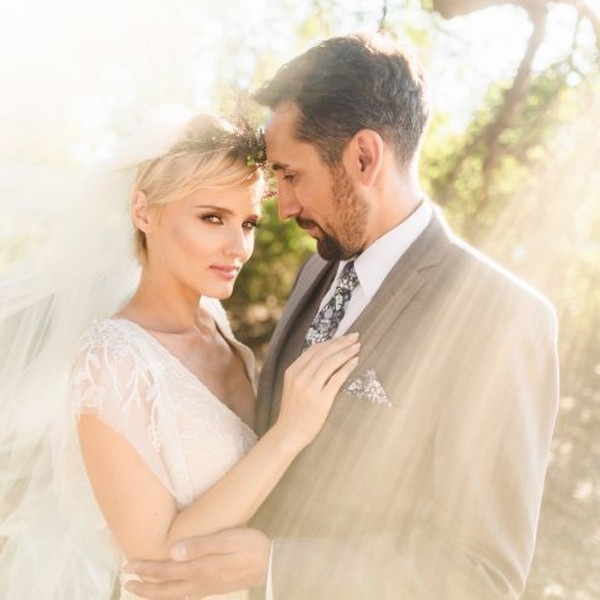
The broader audience includes enthusiasts and photographers building a business, with particular depth for wedding and portrait work. A specialist looking only for wildlife fieldcraft would have a different shopping list. The value here lies in the continuity between making a person comfortable, making a picture, and delivering what was promised.
The lesson beyond making good pictures
Business instruction follows naturally from that view of the job. In an April 2020 article written during the pandemic lockdown, Jirsa recalled starting SLR Lounge and Lin & Jirsa during the financial crash. He described both as having become seven-figure businesses and said their largest growth had come between 2009 and 2014. Those are historical founder claims, rather than current financial results.
His argument to photographers was that customers have alternatives, including their own cameras and phones. Hiring a professional therefore requires a reason beyond the ability to produce an image. The lesson puts positioning and the customer’s perception of value alongside technical competence. It also explains why sales and marketing occupy space in a photography school.
That advice needs a local reality check. A photographer’s potential clients, expenses, and available time shape which business model is feasible. Copying a studio’s meeting preparation is straightforward; copying its prices without understanding its customers is a much larger bet.
The price of having a sequence to follow
As checked on September 11, 2026, Premium lists $348 for a year or $999 for lifetime access. The advertised library contains more than 30 workshops and 1,500 lessons. Those plans exclude the separate mentorship program. Membership provides streaming access; the Premium page says workshop videos are not available to download.
Same annual price each year; excludes taxes, discounts, and changes to the offer. Lifetime is the seller’s access term.
At those prices, three annual purchases total $1,044, slightly more than the lifetime offer. That arithmetic is useful only for someone who expects to keep studying. Buying several years of access does not create several years of practice. A narrow skills gap might be better served by a single workshop; a photographer rebuilding several parts of the job has a stronger reason to consider the library.
Premium is also distinct from personal instruction. The separate lifetime-plus-mentorship offer lists $3,400 and includes group coaching. A viewer choosing between recorded lessons and feedback should make that distinction before treating every education product as interchangeable.
Why the preset became another business
Editing extends the relationship beyond the lesson. In 2019, SLR Lounge partnered with DVLOP to launch Visual Flow. Its Lightroom presets are organized around lighting conditions, giving photographers different starting points for situations such as harsh sun, shade, and artificial light. The premise is that a look should account for the light that produced the original image.
The company’s explanation for creating a separate preset brand is specific: SLR Lounge concentrates on education, while DVLOP develops and supports presets. That division puts product maintenance with a specialist. For the photographer, a preset offers a repeatable beginning to an edit, while taste and the needs of an individual image still determine where it ends.
This is a useful limit on the promise. A shortcut is valuable when it removes repetitive work. It becomes less useful when the photographer cannot recognize an unsuitable result. Learning to judge the image remains part of the purchase, even when the software makes the first move.
The audience is also a business
SLR Lounge has several ways to earn money around the same audience. Alongside paid education, its contact page offers advertising, social marketing, and custom content packages. Its support page directs readers to affiliate retailers including Amazon, B&H, and Adorama. The free publication therefore has commercial work to do as well as educational work.
The relationships do not fit neatly into a list of rivals. Fstoppers sells alternative photography instruction and distributes SLR Lounge workshops. Adorama, a retailer, has collaborated with SLR Lounge on the Master Your Craft video series. Both relationships place the teaching where photographers already look for equipment or advice.
Community adds another reason to return. SLR Lounge directs individual photography questions to its Facebook group, and its educational ambassador roster includes professionals in the United States, Canada, and Mexico. That offers access to perspectives beyond one instructor. The Premium page’s claim of more than 10,000 students and alumni describes accumulated participation, not a count of current paying subscribers.
One second, repeated 250,000 times
The production work behind education has its own friction. In a 2020 Puget Systems case study, Jirsa described older computers with reliability problems and a workflow involving more than 250,000 images annually. The account explains his move toward workstations built for the demands of image processing and video production.
Illustrative annual time at the image volume reported in the 2020 case study. A calculation, not a measured performance result.
He estimated a much larger overall saving from his upgraded machine, but the modest arithmetic makes the point without relying on that estimate. Repeated delays consume working days. For a photographer handling a small occasional gallery, the same upgrade may offer little return. The transferable lesson is to measure the bottleneck at your own volume before paying to remove it.
A small experiment worth taking home
The homemade light-ring tutorial brings the company back to its most approachable scale. SLR Lounge’s C.A.M.P. sequence stands for Composition, Ambient light, Modify light, and Pose. It asks the photographer to settle the frame and existing light before adding more decisions. The order gives an experiment a structure.
For a light-painted portrait, darkness, a steady camera, and a cooperative subject matter. A moving person or uncontrolled ambient light can spoil the intended effect. The $20 figure describes the homemade ring, not the total cost of a camera, support equipment, or the photographer’s time. Cheap materials still demand patient execution.
That is a sensible way to try SLR Lounge: choose one free demonstration, attempt the photograph, and identify the decision you do not yet understand. The paid library becomes easier to evaluate once the missing skill has a name. The photograph you make after closing the lesson will tell you more than the number of lessons you watched.
Keep looking. Then try it.
Explore the photography publication, Premium courses, preset guide, and PhotoBizX interview with Pye Jirsa.
▶ WATCH / 4 MINLight painting with a camera or phone ↗▶ WATCH / MASTER YOUR CRAFTThe homemade light-ring demonstration ↗