Imagine a state agency has a benefit for children on Medicaid. It covers screenings, preventive care, and treatment. It is useful. It is already paid for. And many parents still do not know it exists. The bureaucratic name - Early and Periodic Screening, Diagnostic and Treatment - is not helping. A clever slogan might win the meeting. It will not necessarily win the kitchen-table decision.
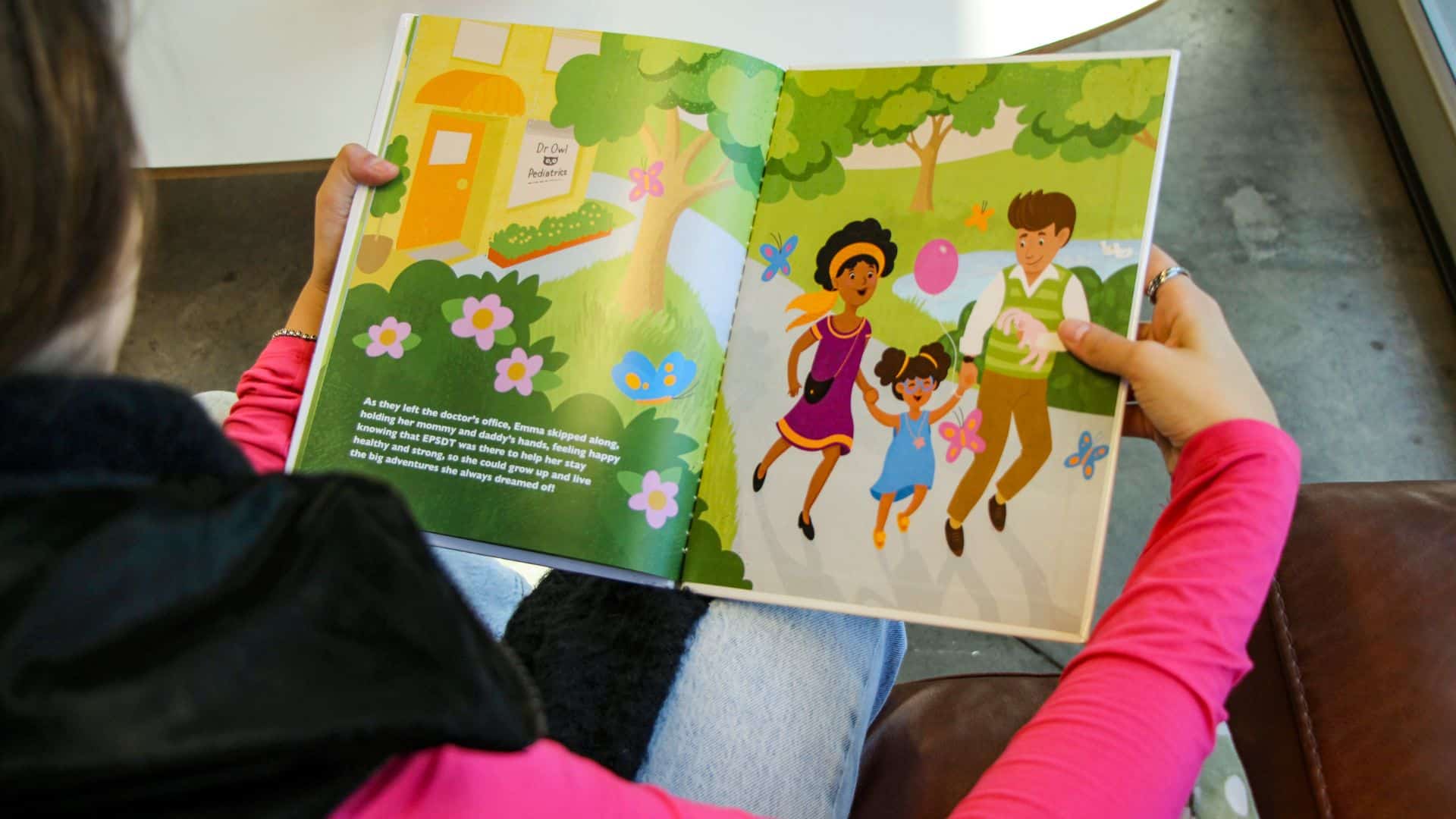
SE2, a Denver communications firm, began its answer somewhere less glamorous: with the people already in the room. It talked with providers and community partners about why the benefit was hard to explain. It rewrote the messages in plain language. Then it put toolkits into the hands of 65 regional child-welfare agencies, 67 community organizations, and 200 healthcare providers. Posters, flyers, FAQs, desk guides, and explainer videos went where families already asked questions. The material ran for three months and collected nearly 14 million views.
This is the useful paradox of SE2. It is an advertising agency that often behaves as though advertising is the last thing to try. Before the media plan comes the relationship plan. Before the relationship plan comes the question that conventional campaigns skip: who is already believed?
“Change accelerates when communities lead.”SE2’s operating premise
A map made of credibility
SE2 calls its method PowerMap. The name sounds like software, but the product is closer to applied anthropology with deadlines. The team listens for the relationships, histories, and lived experiences that determine how a community receives an institution. It maps influence and trust, brings affected people into the design, and builds a strategy around those findings. Its advisers are paid stipends, an unflashy detail that says something important: lived expertise is treated as work.
The copyable sequence
That sequence is the thing another organization can copy. Do not begin by polishing copy. Name the decision you want someone to make. Find the people who already help them make decisions. Pay those people for their judgment. Give them materials they can adapt rather than a campaign they must merely repeat. Then measure the movement in understanding or behavior, not the number of executives who liked the launch video.

The correction, not the lecture
The method is easiest to see in a youth substance-use campaign SE2 developed with ADAPT. Middle-school students often overestimate how many classmates drink or use drugs. That mistaken belief can become permission. Instead of delivering another adult lecture, the campaign surfaced the healthier behavior that was already normal. A series of school-specific micro-campaigns rotated every few weeks to avoid message fatigue. Hallways got posters and floor decals; teachers got buttons; cafeterias got table tents.
Of 60 measures, 54 moved in the intended direction. Seventy percent were statistically significant. Misperceptions of peer substance use fell by more than one-third, and reported use was lowest among students with high campaign exposure. The work did not invent a new norm. It made the existing norm visible.
There is a second example in SE2’s Colorado QuitLine films. Public-health advertising likes the cleaned-up ending: the cigarette crushed, the sunrise, the triumphant statistic. SE2’s eight short films in English and Spanish kept the awkward middle. Participants were collaborators, not scripted success cases. Silence stayed in. Repeated attempts stayed in. Quitting looked unfinished because, for most people, it is.

That work won the 2026 Internet Advertising Competition awards for Best Government Online Video Campaign and Best of Show in online video. The prize is nice. The more instructive achievement is tonal: the campaign repositioned a quitline from an official last resort into a human source of help.
The anti-agency gets a calendar
SE2 dates to 1997. Co-founder Eric Anderson came from journalism, a background visible in the company’s affection for facts, context, and public consequence. Susan Morrisey came through government and nonprofits before joining the small firm that became SE2. In her telling, the young company called itself the anti-agency. It resisted structure, shunned process, and said no more often than yes - especially to conventional marketers whose main problem was taking share from a competitor.
What failed first was that romantic lack of process. The assignments became larger and messier. Public health, education, behavioral health, workforce systems, environmental policy, and crisis communications do not reward charming improvisation forever. The scale of the work changed the company’s mind. SE2 added structure and rigor while keeping the original filter: the issue has to matter.
Today the company is part research shop, part creative studio, part public-affairs adviser, and part organizer. Its customers are mostly government agencies, nonprofits, foundations, and coalitions. A long relationship with the Colorado Department of Public Health and Environment has covered tobacco prevention, cessation, policy education, local toolkits, digital platforms, and technical assistance for more than a decade. Other assignments have translated workforce policy, early-childhood guidance, Medicaid benefits, and environmental systems into decisions ordinary people can make.
What persuasion costs
Private agency proposals are usually invisible. SE2’s public-sector work offers a narrow look through the keyhole. A State of Colorado price agreement that began in September 2025 publishes ceiling hourly rates. Administrative work, meetings, event staffing, quotes, and shipping labor are listed at $50. Design and project coordination are $135. Media relations is $150. Research, English copywriting, public relations, art direction, account management, and web programming are $160. Strategic planning tops the sheet at $190.
These are ceiling rates for eligible Colorado public purchasers, not a promise of what every SE2 engagement costs. The agreement explicitly allows lower negotiated prices. Media, production, printing, and the overall project scope can materially change a budget.
There is also a cost the table cannot show. Community-led work takes time. It asks the client to share authority, tolerate findings that upset the approved narrative, and keep listening after the launch. If an institution has already decided what the public must think, PowerMap becomes expensive theater. If the job is simply to sell more detergent by Friday, a specialist public-issues agency is probably the wrong tool. And if the outcome cannot be measured beyond impressions, the method loses its most useful discipline.
But when the problem is mistrust, stigma, a confusing benefit, or a gap between policy and daily life, SE2 occupies a valuable patch of market. It does not merely translate bureaucracy into friendlier words. It tries to change the route by which those words travel. The provider gets a desk guide. The teacher gets a button. The community adviser gets a seat and a stipend. The audience gets information from someone who did not appear yesterday carrying a media plan.
The old advertising fantasy is that the right sentence can move anyone. SE2’s wager is less romantic and more practical: first find the relationship that can carry the sentence. Then earn the trip.