The most revealing words on Danny Connelly’s résumé may be “regular guy.” They appear beside voice-over work for National Grid and Comcast. An electricity company and a cable business needed a voice people could place. Connelly’s portfolio offers a reminder that sounding ordinary can be a professional assignment, with a buyer, a brief and a particular performance to deliver.
- Screen acting, commercial appearances and voice-over form the core portfolio.
- Named film roles include Dave Ryder and a building superintendent.
- The supplied SAG & AFTRA listing points to Connelly’s work; the labor union is a separate organization.
That last distinction matters. The LinkedIn company entry calls itself “Acting & Voice Talent” and links to dannyconnelly.com. This profile follows that connection. The national union, SAG-AFTRA, represents performers and maintains its own organization. Here, the subject is the working talent behind the supplied business listing. The useful question is what a producer or advertiser can actually buy.
The role is the product
Start with the credits. In Disney’s The Finest Hours, released in 2016, Connelly plays Dave Ryder. In Boston Strangler, released in 2023, he is credited as Building Super. Those descriptions tell a casting team something concrete: he has been selected to occupy particular places in a finished story. A fisherman. A superintendent. People whose presence helps a fictional world feel inhabited.
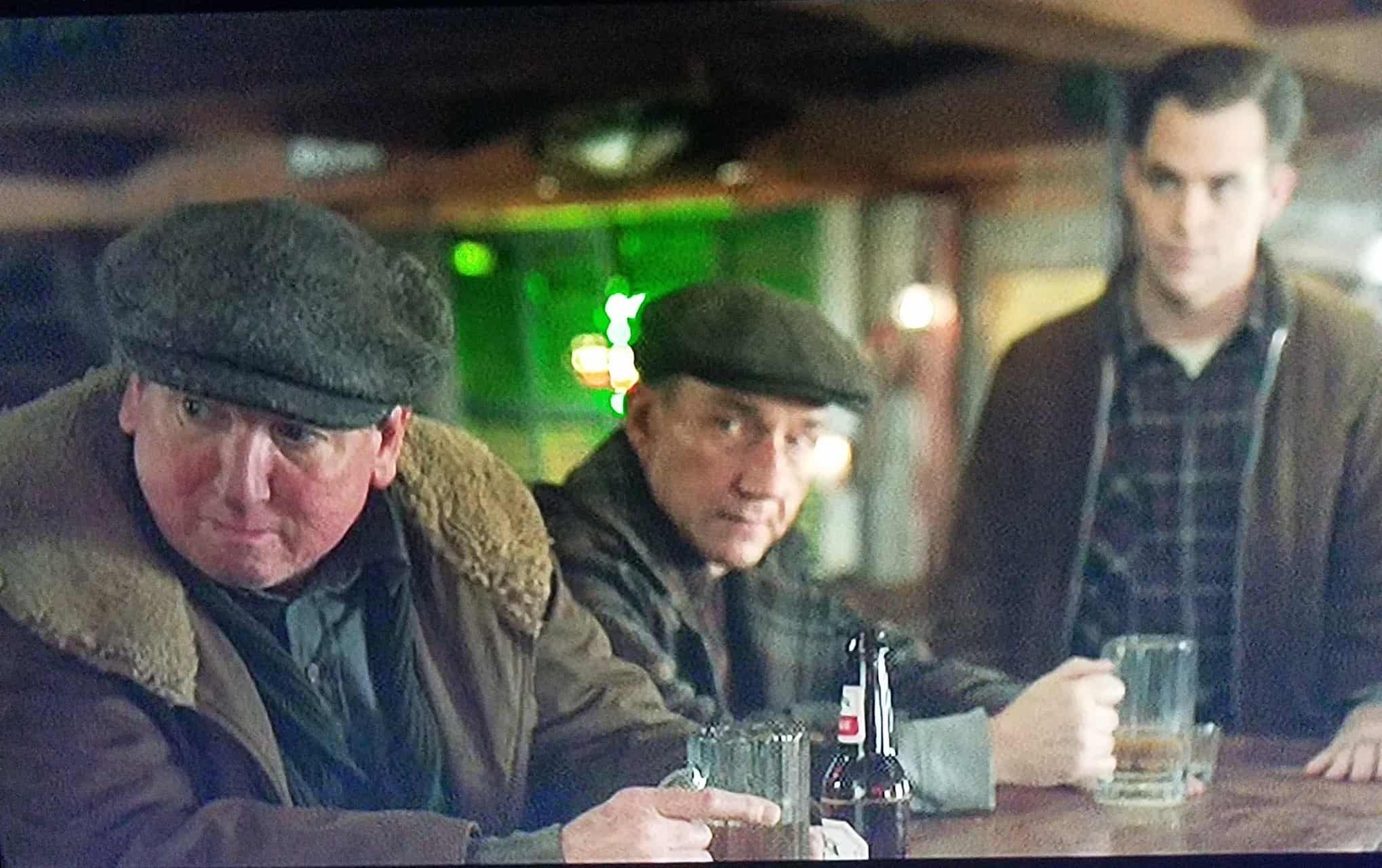
The distinction between a title and a role is useful. A long list of recognizable productions can impress a casual reader while leaving a buyer unsure what the performer did. Connelly’s résumé separates principal parts from stand-in work and precision driving. Someone choosing talent should preserve those distinctions. Each describes a different contribution, and each answers a different hiring question.
There is also an important difference between the customer and the audience. Moviegoers see the character. A production engages the performer. An advertiser’s customers hear the voice, while an agency or producer chooses the delivery. For this portfolio, the commercial relationship runs through people assembling a production, rather than consumers buying an entertainment subscription or a ticket from Connelly.
Two words in the credits
“Building Super” is a wonderfully efficient product description. It names a function, a social position and the sort of encounter a scene might require. It does not tell us how many takes were needed or what the performance cost. It does let a prospective buyer begin with something more useful than a promise of versatility: a role they can inspect.
Building Super
brand work
and announcing
The same reasoning applies to the voice work. Publix appears on the résumé beside “fan at stadium.” The assignment is narrower than simply having a pleasant voice. A stadium fan occupies a different emotional register from a neighbor explaining a utility service. For a buyer, these labels suggest what to listen for in a sample, and what to ask for in an audition.
This is where the portfolio sits in the market: professional performance for screen productions and advertising, with New England experience. Alternatives are other actors and voice artists whose appearance, sound, schedule and interpretation fit the brief. The relevant comparison is specific. Being suitable for one part offers no automatic advantage for another. Casting rewards the match.
The man behind the brief
Connelly also has experience on the marketing side. A Florida State University communications graduate, he co-founded TEAM Enterprises with Todd Graham and later sold his shares. By 2023, the university described him as an independent brand consultant as well as an actor. That background gives this portfolio an interesting second perspective: experience with businesses trying to reach audiences.
A commercial opportunity came while working in restaurant entertainment in 1981. A Wilson golf advertisement hired him for background work, then upgraded him when he became identifiable. The change brought performer pay and residuals. It is a small incident with a commercial consequence: the nature of an appearance can change the terms of the work.
A believable “regular guy” still has a professional job to do.A reading of the portfolio
It would be tempting to turn those overlapping careers into a single grand strategy. The evidence supports a simpler observation. Connelly has worked in marketing and performance. A buyer can consider that combination while still asking for proof suited to the assignment. Consulting experience may inform a conversation about an audience; the audition must demonstrate the character or the voice.
A buyer needs evidence, then an audition
The résumé lists training in Meisner technique, on-camera work and voice-over, alongside skills in narration, characters and announcing. These are useful starting points for a conversation. They identify areas of preparation. They do not establish that every listed skill is equally appropriate for a particular campaign. A narrowly written brief makes the next exchange more productive.
For someone commissioning work, that means specifying the medium, intended delivery and expected use before comparing samples. A screen credit provides context; hearing a relevant read provides different evidence. Fees belong in that project conversation, together with the agreed scope. The business is best understood as professional services tied to an assignment, where the finished performance is what the customer needs.
Make the next decision easy
There is a practical lesson here for anyone selling expertise. Give each example a name and a purpose. Explain the contribution precisely. Keep different kinds of work legible. A buyer should be able to move from “this person has experience” to “this example resembles my problem” without assembling the argument themselves.
That method has limits. A previous role cannot settle present availability, and an advertising credit cannot guarantee the right sound for a new script. Connelly’s portfolio is useful at the beginning of a hiring decision. Its everyday characters make the offer understandable. The next step is equally plain: put the actual brief in front of the performer and listen.
See the work
Explore the performance portfolio, company listing and professional profile. Follow Danny Connelly on X.
▶ Watch Disney’s The Finest Hours trailer ↗