Rythmia has a rather specific answer to the question, “What are you doing next week?” You are flying into Liberia, Costa Rica. You are being collected from the airport. You are sleeping in a casita near Tamarindo, eating 21 plant-forward meals and moving through a timetable of yoga, breathwork, meditation, personal-development classes, spa treatments and four optional overnight ayahuasca ceremonies. By checkout, the company hopes, you will use its favorite word for what happened: a miracle.
This is not a loose jungle gathering or a hotel that happens to keep a shaman’s number at reception. Rythmia is a private company operating a premium, week-long transformation program at the seam of hospitality, spiritual education and psychedelic wellness. The distinction matters. Its real product is not a room, a cup or even a ceremony. It is a sequence designed to make an unfamiliar, intimidating experience feel purchasable.
The product is the choreography
Founder Gerard “Gerry” Powell tells the origin as a conversion story. After addiction treatment and a plant-medicine experience of his own, he wanted to build a place that joined ceremonial practice to the clean lines of a professionally run center. Dr. Jeff McNairy, who had worked with Powell in treatment, says he followed Powell to Costa Rica, tried the medicine and spent six months helping search for a property. Rythmia opened in 2016.
The first institutional framing did not last. Costa Rican records cited by local press say the establishment received a 2015 operating permit as an addiction treatment center. Rythmia says it ended that service in 2018 and operated instead as a luxury medical-wellness center built around complementary therapies. That change is more than paperwork. It moved the company away from treating a defined disorder and toward selling a broad promise of personal advancement.
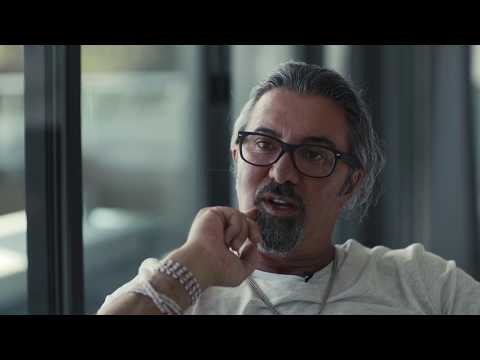
The Rythmia Way has three intentions - “Show Me Who I’ve Become,” “Merge Me Back With My Soul,” and “Heal My Heart.” They are spiritual language doing a practical job: giving guests a mental script for a week whose central experiences may be difficult to predict or describe. Michael Bernard Beckwith’s “The Answer Is You” material supplies another interpretive frame. Medical intake, group integration and daily classes surround the ceremonies. Massage, hydrocolonic treatments, beach time and a saltwater pool make the recovery intervals feel like a resort.
One purchase, four stages
That bundle is Rythmia’s answer to a fragmented market. An independent seeker might otherwise research legality, vet facilitators, find accommodation, understand medical contraindications and arrange support afterward. Rythmia collapses those decisions into one branded program, delivered every week. The starting price is $4,900 per person, with private rooms costing more. The fare includes lodging, food, scheduled activities and airport transport under qualifying booking terms. Flights and optional one-to-one coaching sit outside the base package.
Who buys a week of certainty?
The likely customer is not simply “someone interested in ayahuasca.” It is an adult with money, motivation and enough unease about informal settings to value an on-site clinic, a gated resort and a visible timetable. First-timers are an obvious audience. So are wellness travelers who want personal change but prefer a casita to a hammock. Rythmia says more than 22,499 guests have attended since 2016 and advertises thousands of five-star reviews. Both the attendance count and its celebrated outcome data come from the company.
Its competition therefore crosses categories. Soltara and other plant-medicine retreats compete directly. Luxury wellness resorts compete for the same week and wallet. Therapy, meditation programs, addiction care and integration coaches compete for the underlying job: helping a person make sense of distress, habit or direction. Rythmia is different because it puts all of those signals in one box and gives the box a name.
“I was healed from a lifetime of suffering. Today I am happy and free.”Gerard Powell, in Rythmia’s founder story
Founder testimony is powerful because it makes an abstract service personal. It can also compress the distance between one person’s experience and another person’s expectation. Rythmia reports that roughly 98 percent of guests say they received a life-changing “miracle.” This is a proprietary, self-reported measure, not the result of a randomized clinical trial. The company has also published a six-month persistence figure. A careful reader should treat both as customer-reported brand metrics, not medical efficacy rates.
The claim is also the liability
Ayahuasca can involve intense psychological and physical effects, and it is not appropriate for everyone. Screening, medication interactions, facilitator conduct, emergency procedures and informed consent are not backstage operations here. They are the product. Rythmia says its clinic is staffed by licensed doctors and registered nurses and that guests receive medical evaluations before participation. Its marketing has repeatedly called the center medically licensed.
The precision of that phrase has been contested. A 2022 VICE investigation reported allegations from former workers and guests about safety and conduct; Powell and the company disputed key allegations. Costa Rican authorities have separately examined the scope of Rythmia’s operating authorization and the registration required for ayahuasca. In 2025, the state attorney body found serious procedural problems in an attempted administrative annulment. That did not transform every marketing claim into a government endorsement. It left a complicated permit history complicated.
The useful distinction
A permit to operate a medical or complementary-therapy facility, authorization involving particular plants, and proof that a treatment produces a claimed outcome are three different things. Prospective guests should verify each one separately - and ask about current permits, clinical leadership, screening exclusions, emergency transfer plans and independent follow-up.
This tension explains both the appeal and the scrutiny. Rythmia has made a murky purchase legible, but legibility invites examination. Once a company publishes a price, a schedule, a success rate and a safety proposition, customers can ask whether each promise survives contact with reality. The more standardized the transformation looks in a brochure, the more carefully a responsible operator must preserve individual consent and uncertainty.
The smartest update happens at home
The first version of many retreat businesses ends when the shuttle leaves. That is exactly when a guest returns to old relationships, a crowded inbox and the habits the retreat temporarily interrupted. Rythmia’s 2024 launch of the RLife app acknowledges the obvious product leak: a peak experience without integration can become a vivid anecdote rather than durable change.
RLife now begins before arrival with a four-week preparation module and live sessions. After the stay, guests unlock a 13-week curriculum covering meditation, yoga, breathwork and integration, with weekly calls and lifetime access to content. Optional coaching creates an additional service layer. This is the most copyable part of Rythmia’s design. A cooking school can follow students into their kitchens. A leadership offsite can schedule prompts through the next quarter. A fitness camp can design for the first bad Tuesday back home. The event should not own the climax and outsource the consequences.
Name the method
“The Rythmia Way” turns a pile of activities into one explainable product. A named sequence is easier to buy, teach and improve.
Bundle the anxiety
Transport, rooms, meals, screening and a timetable remove decisions at the moment customers feel least equipped to make them.
Design the return
Preparation and a 90-day follow-through convert a one-week event into a longer customer journey.
Audit the promise
The stronger the emotional claim, the more independent evidence, precise language and visible safeguards the business needs.
What not to copy
Do not copy the certainty. A highly personal outcome cannot be guaranteed by a conversion rate, however punchy the number looks in a sales deck. Do not assume luxury signals equal clinical quality. Fresh towels, organic lunch and a handsome clinic can reduce friction; they do not answer questions about contraindications, supervision or aftercare. And do not use a charismatic founder’s recovery as a universal map.
The model also breaks under specific conditions. It will not work for customers who cannot safely participate, cannot afford the price, want a small or tradition-specific ceremonial setting, dislike group processing, or need sustained psychiatric or addiction treatment rather than a short retreat. It is a poor fit when a guest is chasing a guaranteed cure, concealing medication use or expecting one week to repair a life without further work. Rythmia offers limited scholarships, but its center of gravity remains premium international travel.
Still, the business lesson survives the caveats. Rythmia understood that people buying transformation are also buying relief from logistics, ambiguity and loneliness. It built a flagship offer with a beginning, middle and an increasingly serious after. The company’s future reputation will depend less on how loudly it says “miracle” than on how carefully it handles the unglamorous nouns: screening, consent, evidence, permits and integration. In this business, checkout is not proof. It is the handoff.