Give a group of AI agents a simple assignment: build a single-user Kanban board, with cards that move when you drag them. Let the agents write the requirements, build the feature, test it, and ship it. No engineer writes the code. The promise is wonderfully tidy. The work, it turns out, has other plans.
In September 2026, First Factory described just such an experiment. The agents delivered a working feature. A human had to intervene eleven times. One agent repeated the same four-minute cycle 78 times. Two of the five bugs found by a checker agent had already survived the builder agent’s tests. Even software that checks its own homework can be an indulgent examiner.
- First Factory builds custom software and supplies engineers who join clients’ existing teams.
- Its development operation in Costa Rica makes daily collaboration with US clients practical.
- Its AI experiment shows why a working feature and an unattended process are different achievements.
That small experiment provides an unusually good introduction to the company. First Factory sells engineering expertise, but its more interesting proposition concerns the conditions under which expertise works: overlapping hours, clear responsibilities, familiar colleagues, and somebody who notices when progress has become a loop.
One feature. Eleven interventions.
The experiment was reported by chief operating officer Don Gregori in a company post about his Inc. column. It was a test of the software factory model, with agents taking a feature through the development process. The result supported a narrower, more useful claim than the familiar promise of autonomous software production: the tools could produce working software, while experienced humans remained necessary to get them there.
A successful output can hide an expensive process. Counts reported by First Factory.
For a buyer, this suggests a sensible question. When a vendor promises faster development with AI, how much human attention does the apparent speed consume? Count the corrections, the stalled runs, and the defects that passed a test. A feature that appears quickly is useful. Knowing how it became dependable is useful too.
The move that made ordinary hours possible
Long before this experiment, founder Jason T. Roff was trying to improve a different production system. First Factory’s account of its move to Costa Rica describes a service operation involving Ukraine and Russia. Roff wanted regular business hours, direct conversations with his developers, dependable office operations, and confidence in international money transfers. Geography had become a management problem.
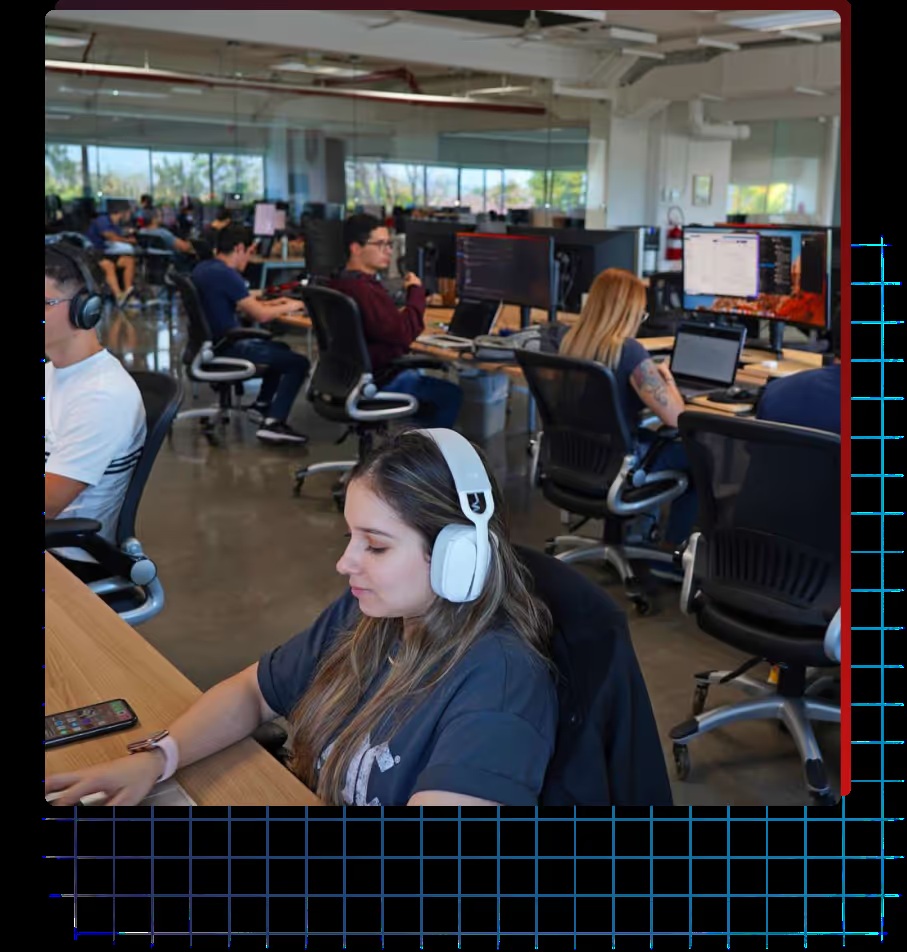
He founded First Factory in New York in 2000 and opened the Heredia office in 2006. Costa Rica offered the combination he wanted: education, English-speaking talent, accessible travel, and working hours compatible with the United States. Rather than remain an intermediary, he built an office around a team of four engineers. In his founder interview, he says the first client helped finance that office.
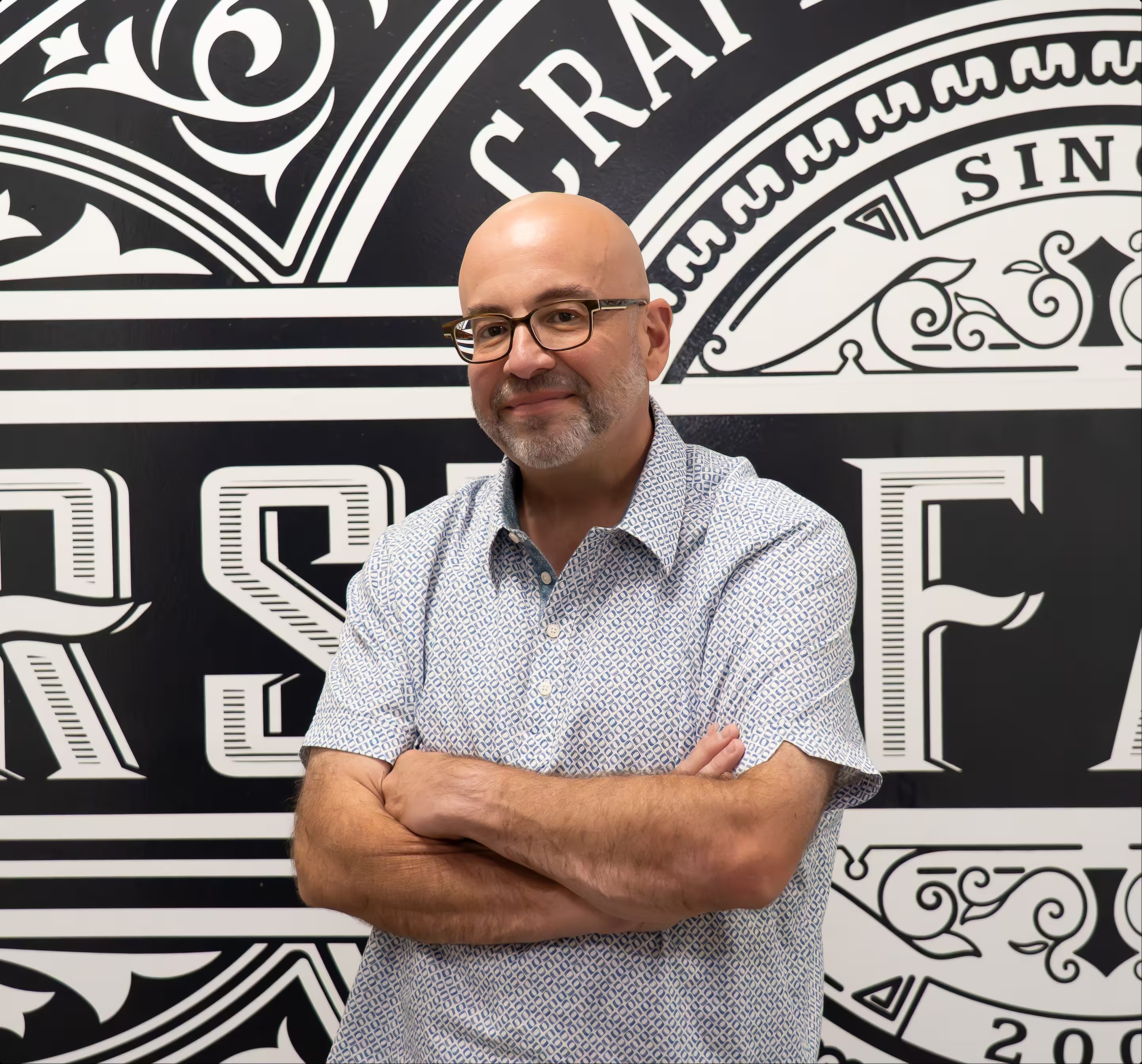
The name came from Andy Warhol’s creative studios. Roff’s version was a place where software engineers could collaborate and do ambitious work. In his interview he also credits software entrepreneur Joel Spolsky as an influence on how to treat developers. His hiring preference is plain: people who can solve problems and learn the next technology.
There is a useful distinction here. Remote work gives a company access to people elsewhere. It does not automatically give those people a workable relationship. First Factory’s move was an attempt to make the relationship easier to operate, with a location clients could visit and a team they could speak to during their own day.
The work behind the relationship
First Factory’s services cover custom applications, AI development, cloud infrastructure, and product development. A client can add individual engineers to an existing team, engage a managed Agile team, commission a defined milestone, or arrange consulting and maintenance. These are different allocations of responsibility. A company with capable engineering management may need additional developers. A company starting a product may also need design, architecture, and delivery leadership.
The Roc360 portfolio entry makes the work concrete. Beginning in 2017, First Factory’s engagement included full-stack development and UI/UX design for the real estate finance business. Its engineers worked on reporting, application interfaces, document management, approval workflows, and mobile access for documents and field photographs. The company says the resulting platform has processed more than $10 billion in loans. That describes the client platform’s activity, rather than First Factory’s revenue.
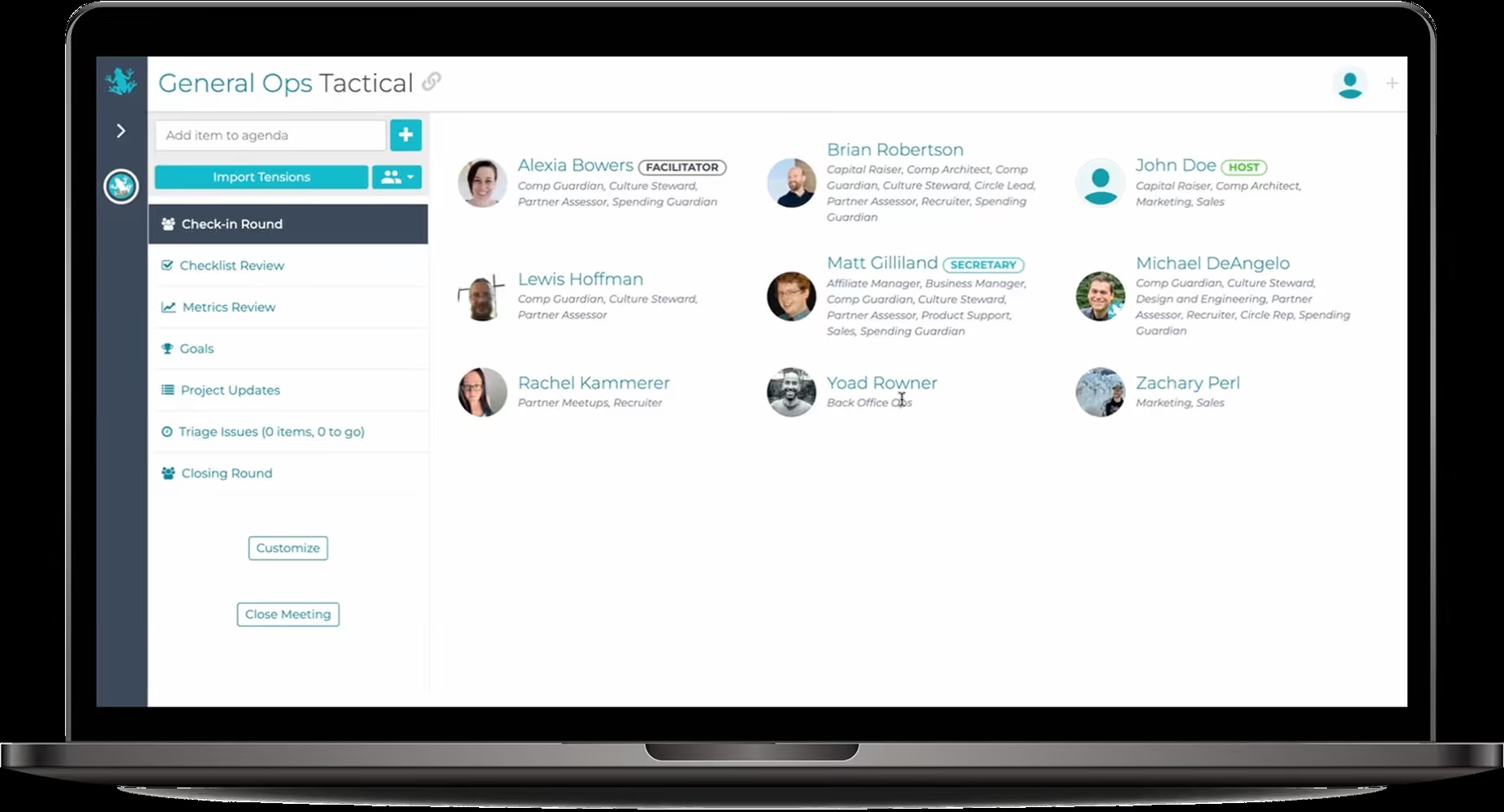
GlassFrog, software for organizations using self-management frameworks, presented another combination of needs. First Factory describes cloud migration work, deployment pipelines, production bug fixes, and an AI chat project. Its portfolio calls the governance chatbot a proof of concept. That qualification matters: an exploratory AI feature has a different job from a mature production system.
Then there is Budist, a cannabis review app. First Factory says it brought a UX/UI designer in at the beginning to establish product priorities, and used React Native for mobile development. The app became the official judging platform for the California State Fair in 2024, according to the portfolio. These examples put the company in the market for building and extending business software: sometimes a fresh product, sometimes the unglamorous machinery that keeps an existing one moving.
The price of remembering
On Clutch, First Factory lists an hourly range of $50 to $99 and a minimum project size of $50,000. Treat those as directory figures, with the actual bill determined by the team and the scope. In staff augmentation, buyers purchase engineering time; they also retain the work of directing that time.
One financial-services outsourcing client interviewed by Clutch in February 2023 reported spending approximately $200,000 to $225,000 during an engagement that began in 2019. The initial ramp-up took roughly six weeks as developers learned the applications and internal practices. The client also reported some turnover. That is a helpful reminder that a long relationship can still involve changes of personnel.
First Factory’s published rate-increase policy is more revealing than a generic promise of good culture. It says the full increase associated with a developer’s raise goes to the employee, while the company’s profit margin per hour remains unchanged. Clients contribute feedback to reviews and may decline a proposed increase. Where a replacement is needed, First Factory says it aims to provide two to three weeks of overlapping knowledge transfer at no extra charge, when possible.
The inference is straightforward: remembering a system has economic value. A familiar engineer knows the exceptions, the awkward integrations, and the reasons a seemingly obvious change is dangerous. Paying to retain that knowledge can be rational even when another hourly rate looks more attractive. Buyers can copy the underlying practice without copying the vendor: ask how raises, replacements, and handovers actually work.
Faster code still needs somebody responsible
“There are a thousand companies like us.”Jason T. Roff / Founder & CEO
Roff is refreshingly candid about the crowded market in his founder interview. His emphasis is on relationships, ownership, and trust. First Factory’s own numbers put average client tenure above three years; it says a quarter of clients stay five years or longer. Inc. records five consecutive Inc. 5000 appearances from 2020 through 2024.
The opening commitment is relatively easy to test. The company advertises a first-milestone satisfaction guarantee for shorter work and a 30-day trial for ongoing partnerships. The more consequential assessment comes after that: can the engineers learn the system, challenge an unclear requirement, and remain useful as priorities change?
Staff augmentation needs somebody on the client side to set priorities and make decisions. A tightly priced milestone needs a sufficiently clear scope. An organization seeking unattended delivery will need to examine the supervision required, whether the contributors are people or agents. First Factory’s experiment offers a practical measurement for that last conversation.
Seventy-eight repetitions are a peculiar form of diligence. Eleven human interventions are a more recognizable form of engineering. First Factory’s story gives buyers a reason to measure both.