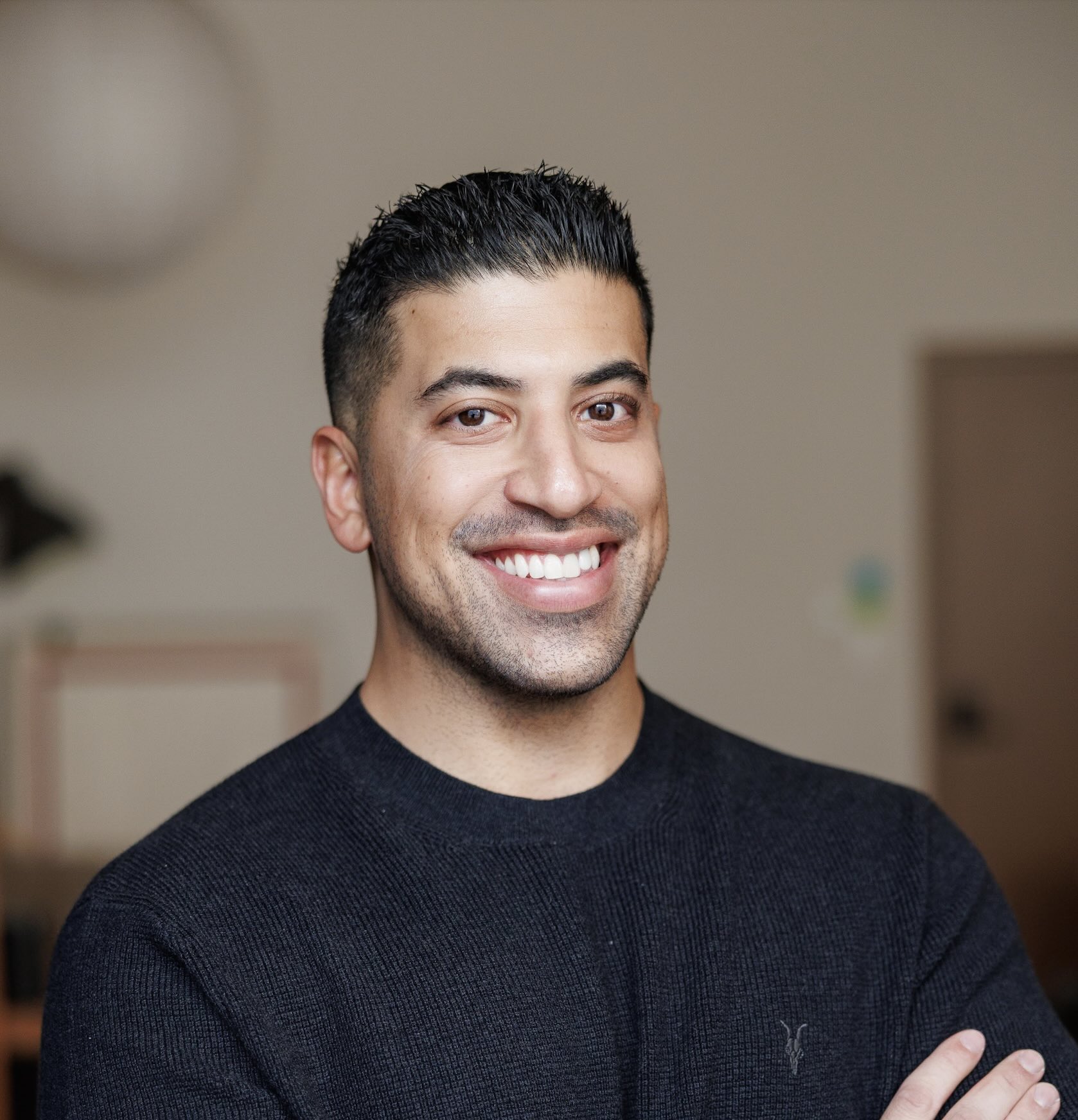
Ryan Batra doesn't find talent. He finds the person who hasn't yet realized they're the most important hire a company will ever make.
At Khosla Ventures - the firm that backed OpenAI, Impossible Foods, Commonwealth Fusion, and a long list of things that sounded impossible when pitched - Batra is the person founders call when the mission is clear and the team isn't. His title is VP, Talent Partner. His actual job is harder to name. Call him a people architect. Call him a leverage multiplier. He would say talent is simply the most powerful form of leverage a founder has, and leave it at that.
He spent six years inside DoorDash during the years that mattered most - the ones where the company went from scrappy logistics experiment to publicly traded platform operating in hundreds of cities. That kind of growth doesn't happen without building world-class teams at speed, under pressure, against well-funded competitors who all want the same engineers. Batra was the one making those hires, building the systems that made those hires possible, and knowing when to push and when to wait on a candidate who could change everything.
"Talent is one of the most powerful forms of leverage a founder has."
- Ryan Batra, VP Talent Partner, Khosla Ventures
Before DoorDash, he was doing the same thing at earlier stages. Lime was trying to put electric scooters on every corner of every city. OpenStore was betting that e-commerce operators were an underserved market. Both needed people fast, in domains where the talent was already being fought over. Batra built the recruiting functions that let those companies compete.
What makes a talent exec at a VC firm different from a headhunter? The portfolio. Khosla invests across AI, biotech, space, clean energy, fintech, and enterprise software. Any given week, Batra might be helping a fusion startup find its head of engineering, connecting a health tech company with a VP of research, and running a search for a founding scientist at a company working on space logistics. The breadth requires a rare kind of mind - one that can shift from evaluating machine learning chops to assessing biotech pedigree without losing fluency in either.
More than 500 engineers, researchers, and leaders placed over a career. That number understates what it means - each one was a moment where the right match either unlocked a company's trajectory or cost it one. Batra knows the difference between a hire that fills a seat and a hire that changes a company's direction. He builds for the second kind.
He grew up studying Communication and Media Studies at Old Dominion University in Virginia - a long way, culturally and geographically, from Sand Hill Road. That background isn't incidental. Recruiting at its best is about reading people, constructing narratives, understanding what someone needs to hear to take a risk. It turns out communication is exactly the right training for a career built on convincing the world's best engineers to join companies that didn't exist five years ago.
Outside the office, he's a golfer still chasing his first hole-in-one - which is either a metaphor for the impossibly high bar he sets for candidates, or just evidence that golf is genuinely hard. He rescued a puppy who is now two years old, which is only worth mentioning because it says something about what he does with his free time when he isn't thinking about your next leadership hire.
The AI talent market that Batra navigates now is unlike anything recruiting has seen. The supply of elite AI researchers and engineers is measured in thousands globally. The demand comes from every major tech company plus every well-funded startup. When DoorDash sued Batra in December 2025 - alleging he took recruiting intelligence about AI candidates and compensation structures when he left to join Khosla - the case lit up the industry precisely because it showed how seriously companies treat talent data. Knowing who is hirable, for what, and at what price, is competitive intelligence. The lawsuit underscored what Batra has known for years: in the war for AI talent, information is the weapon.