Roey Dor failed three driving tests before he became a fighter pilot. It is a pleasingly inconvenient detail for a founder’s biography. The aeroplane usually arrives first in the telling, followed by the inevitable business lesson. Dor begins with the car he could not get licensed to drive.
After the third failure, his father offered a different way of thinking about unpredictable traffic: other people would make their choices; Roey could choose his response. Dor still connects that conversation to entrepreneurship. The attraction of the story is its modest scale. Before there were investors, software integrations or rental deposits to reconsider, there was a frustrated young person learning that responsibility includes the things you cannot arrange in advance.
Today, Dor is CEO and co-founder of Obligo, which he built with his younger brother, Omri. Their business addresses an ordinary transaction with an extraordinary capacity for irritation: handing over a security deposit. His route there runs through flying, Tel Aviv nightlife and property development. Somewhere along it, the person opening bars became interested in what happens when people hand over keys.
A New Yorker, by way of Tel Aviv
Dor was born in New York to Israeli parents, a musician father and an architect mother. When he was three, his father’s work took the family to Israel. He grew up in Tel Aviv, surfing, playing guitar and spending time outdoors. Later came an interest in mathematics and physics, followed by eight years as an Israeli Air Force fighter pilot. He also earned an economics degree at the University of Haifa.
There is a temptation to make every childhood interest predict a company. Guitar becomes creativity, surfing becomes resilience, economics becomes destiny. That would tidy up the story rather too much. What matters here is the range: Dor had worked in several worlds before he went into financial technology. Renting would eventually give those experiences a common problem to work on.
First, get people through the door
After flying came hospitality. Dor and two squadron friends opened a bar, a decision he has jokingly linked to watching too much Top Gun. The venture led to more bars, restaurants and clubs in Tel Aviv. His account of those years includes the practical discipline of keeping a restaurant profitable and the eventual appeal of a working life more compatible with starting a family.
His professional history includes co-founding and managing 141 Group, then co-founding City People, an urban renewal business. Those are useful details to keep beside the aviation résumé. A restaurant operator encounters customers at the exact moment a promise must become service. A property developer works with buildings and the people who have a stake in them. Neither business gives much credit for an elegant idea that fails on arrival.
The move toward Obligo brought him into partnership with a different sort of operator. Omri’s background was technical, with engineering and physics studies at the Technion and software experience at Google and Facebook. The brothers brought different working histories to the same question. How could a landlord feel protected without making a renter surrender a large amount of cash before moving in?
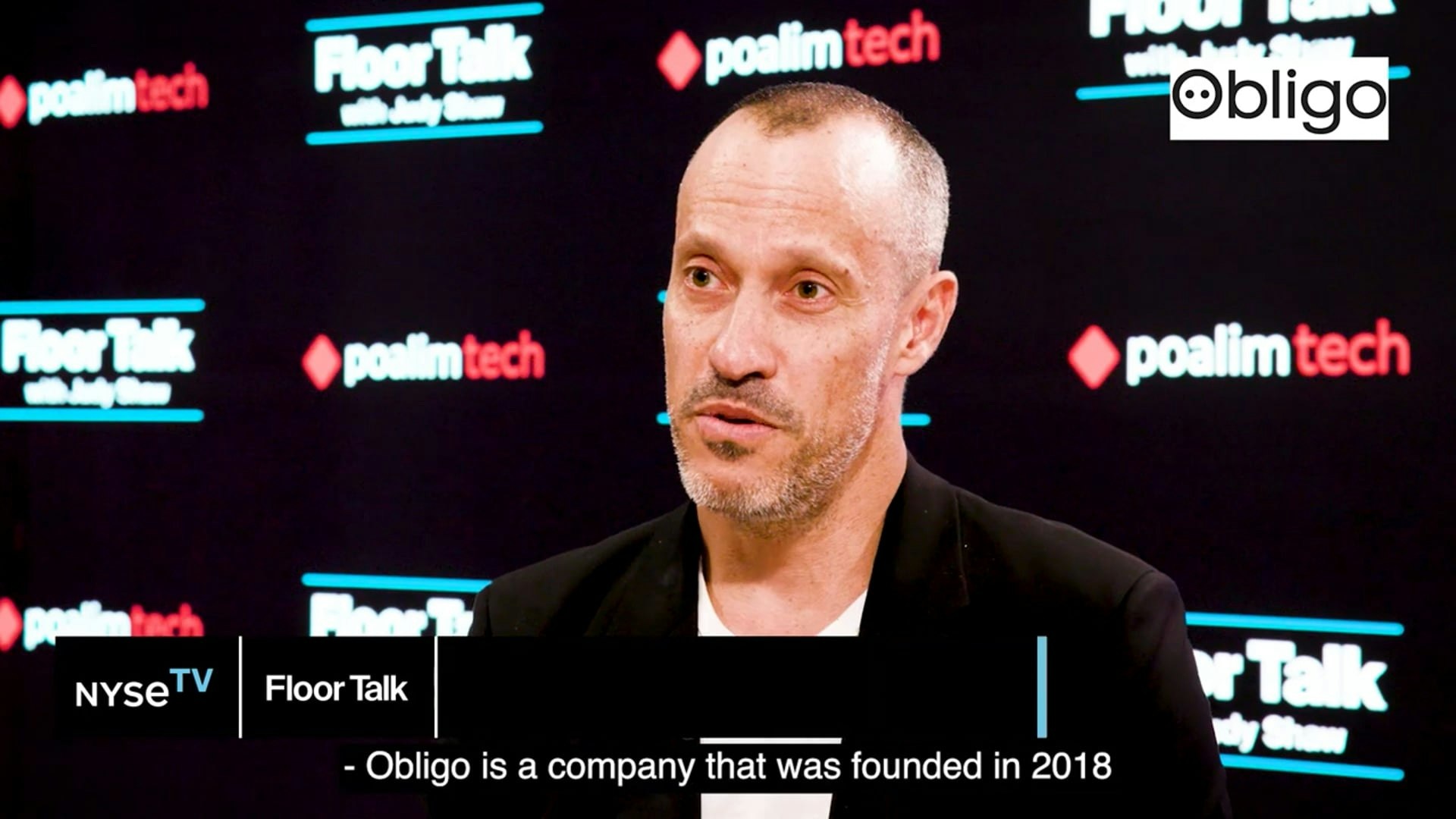
The hotel had already solved part of it
Obligo’s current company history dates its beginning to 2017. The brothers took inspiration from hotel check-in and check-out: put a payment method on file, establish the ability to charge if needed, and let the guest retain their money in the meantime. Dor returned to the United States in 2018. The business would pursue its rental-market version of that familiar arrangement from New York.
The comparison is persuasive because it starts with something people already understand. A hotel wants protection against an unpaid bill or damage. So does a landlord. The rental relationship lasts longer and has its own complications, but the question survives the comparison: must protection always mean collecting cash first? For Dor, that became a company rather than a complaint exchanged while carrying furniture upstairs.
By June 2018, Obligo was beta-testing with selected New York landlords. The early proposition combined new payment methods and financial information with an old frustration. Both sides of the lease had work to do under the deposit system. A renter lost access to the money; the landlord acquired another sum to collect, hold and eventually return. The brothers were proposing that a financial arrangement could do some of the work usually assigned to a pile of cash.
- QualifyConnect a payment method and check eligibility.
- ChooseSelect an available deposit plan; alternative plans carry a fee.
- SettleRemain responsible for valid charges at move-out.
Keeping the deposit cash does not remove the renter’s obligations.
The price of that arrangement matters. Obligo’s current renter offering includes No Deposit, Reduced Deposit, Deposits-in-Installments and Full Deposit options. Its alternative plans carry non-refundable fees. At the end of a lease, renters remain responsible for valid charges, with a pre-authorized payment method available for billing up to the agreed security amount. Keeping money available at move-in and eliminating the eventual bill are very different promises.
A bank behind the handshake
In June 2022, Obligo announced that Wells Fargo letters of credit would support its deposit alternative. The company also used open banking data to assess eligibility. These details are less picturesque than a hotel reception desk, but they explain the task Dor had taken on: persuading property operators to accept a different form of protection.
The bank relationship gave the proposition a financial structure beyond the founders’ assurances. In his remarks announcing it, Dor credited Wells Fargo’s advice and its willingness to apply an existing banking product to a different use. There is something characteristic about that approach. The hotel supplied the customer-facing analogy; an established bank product supplied part of the machinery. A new experience can be assembled from familiar pieces, provided somebody does the work of fitting them together.
For a former hospitality operator, this is a demanding variation on service. The important moment may come long after the customer has arrived. A renter moves out; an operator submits a charge; the system has to handle the consequences. Every easy check-in creates a later obligation to make check-out understandable.
“Keep looking…”
Roey Dor, on the danger of overlooking competitors
The work hidden inside other people’s software
On October 21, 2024, Obligo announced $35 million in new funding, co-led by 83North and True Global Ventures. It tied the round to product development and distribution through property management software, including AppFolio, Buildium and Yardi. Lilia Shirman of True Global Ventures joined its board. The company’s history says that round took total funding past $90 million.
The interesting word in Dor’s explanation of the strategy was distribution. A rental product has to reach the person managing the lease, at a moment when that person is already busy. Putting it inside existing software changes where the decision happens. The argument for adoption becomes partly practical: can this fit into the work a property team already does?
New funding, co-led by 83North and True Global Ventures.
The company reports total funding exceeded $90 million following the round.That direction continued in July 2026, when Obligo announced a partnership with RealPage for embedded deposit services in OneSite and LOFT. The offering covered move-in choices as well as the administration around charges and refunds. Dor publicly welcomed the work and credited colleagues involved in bringing the integration together. His current public activity is full of the unglamorous vocabulary of implementation: workflows, move-outs and software connections.
That vocabulary brings his story back to operations. Opening a bar and embedding a payments service are different jobs, but each requires people to use what has been built. The customer must be able to get through the process. The staff must be able to run it. A pleasing diagram cannot take a shift.
Seven years for a name on the door
One small episode gives the corporate progress a more human scale. The brothers had chosen Obligo, raised money and announced the name before discovering that the matching dot-com belonged to a Swedish company unwilling to sell. Dor later described feeling deflated in their tiny office. The company existed. Somehow its missing web address made it feel less complete.
They kept pursuing it for more than seven years. When they finally acquired the domain, Dor made time to celebrate and thanked Gabby Hayes and Keegan St. Onge-May for leading the effort. Founders are often photographed beside funding announcements; a long-awaited web address is a less imposing trophy. It is also easier to understand. Anyone who has named something can appreciate discovering that the sign for the front door belongs to somebody else.
Who gets to be the main character?
Dor has acknowledged that telling Obligo’s story is a repeated part of his job, whether he is meeting investors, partners or prospective employees. Advice from Yotpo founder Tomer Tagrin helped him reconsider the protagonist: begin with customers and the problem the company helped them solve. It is a useful instruction for someone whose own résumé could easily consume the meeting.
There was an early occasion when the customers supplied the plot themselves. Dor helped organize a gathering for residents of a building adopting Obligo. Existing deposits were returned. He remembered the residents’ reactions and their conversations about what they would do with the money. The subject was a financial product; the memorable event was people getting access to cash they had already earned.
His latest long conversation, an October 2026 DoorGrow appearance, returned to trust between residents and property operators. That remains the ambition connecting the business to its beginnings. Dor has worked on several kinds of arrival: guests at a bar, occupants in a building, renters signing a lease. With Obligo, he is working on the money required to cross the threshold. It is a rather specific place to spend a career. Anyone who has moved apartments will recognize how much can happen there.
Follow the conversation
Continue with Dor’s public conversations, his professional updates and the company he co-founded.