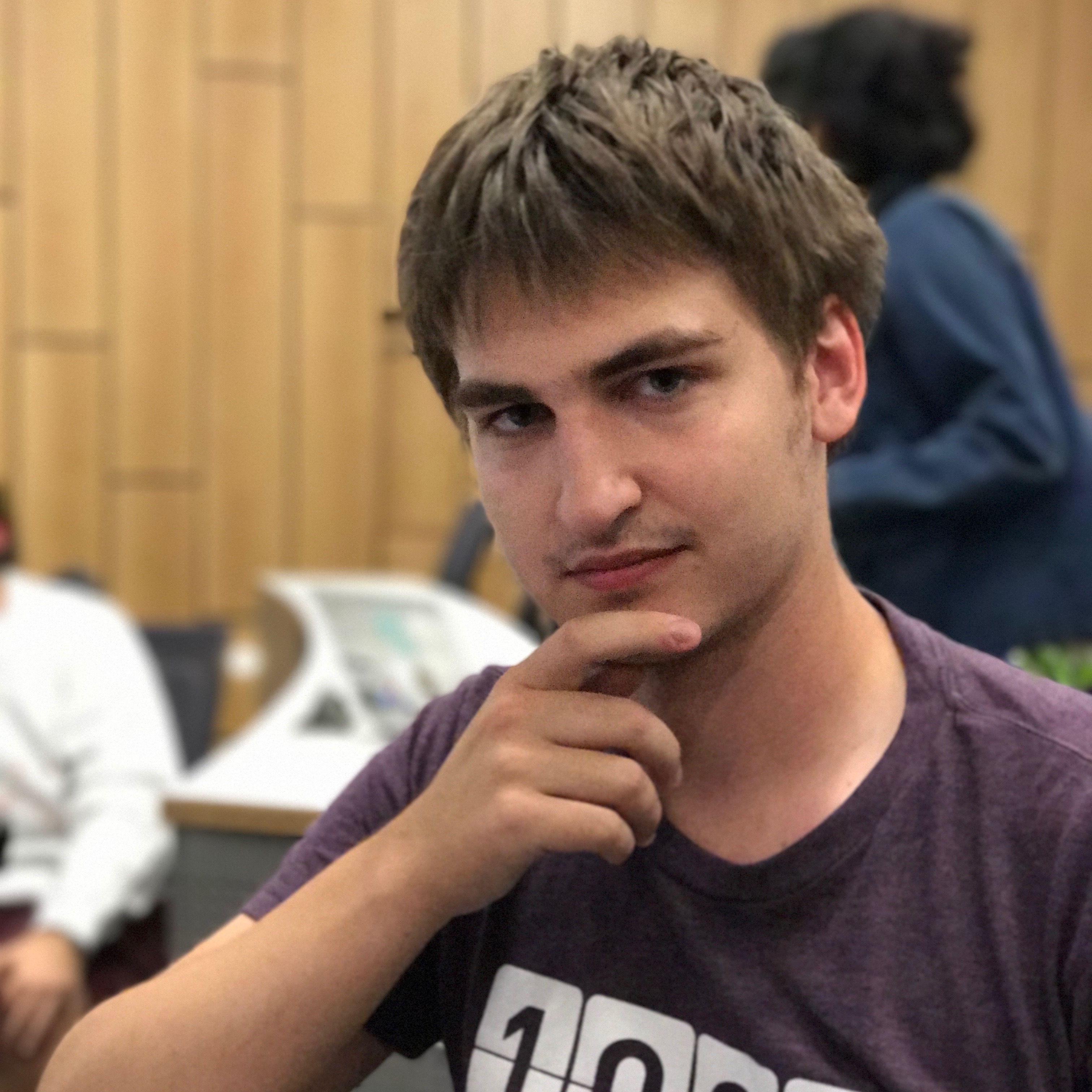
The Full Story
From Microsoft Paint to a $6M App Store revolt
Riley's path follows a logic that only makes sense in hindsight. He learned to code at 13 - not from a school course but from frustration and curiosity. Apple's documentation, developer forums, and a stubborn refusal to accept that something wouldn't work. His first app shipped with art made in Microsoft Paint. That detail isn't embarrassing. It's the whole point: he didn't wait for resources. He used what he had.
GBA4iOS began as a salvage project. An abandoned GitHub repo. Months of fixing compiler errors nobody else wanted to touch. By May 2012, a working Game Boy Advance emulator was running on non-jailbroken iPhones. His high school friend Paul Thorsen did the graphic design. Riley handled everything else. The app spread quietly at first, then explosively - someone built a tool to install open-source apps via enterprise certificates, and GBA4iOS was one of the beneficiaries.
"Competition, imagine that!" - Riley's response after Apple reversed its emulator ban in 2024, in three words summing up a decade of being told his apps had no place on the platform.
GBA4iOS 2.0 launched on February 19, 2014, during film class, with a pizza party. It spread via a clever exploit: if you set your iPhone's date back before Apple's certificate revocation, the app still installed. Ten million downloads later, Nintendo issued a DMCA, and Apple patched the loophole in iOS 8.1. Riley wrote the blog post: "GBA4iOS is Dead. Long Live GBA4iOS." Then he enrolled at USC and started rewriting everything from scratch in Swift - Apple's brand-new language, announced that same year.
Delta was born as a Swift learning project in 2014. That's not a metaphor or a framing device. Riley genuinely started it to learn the language. But learning turned into architecture, architecture turned into something real, and something real turned into the best iOS emulator anyone had built. By 2019, AltStore existed to distribute it - a companion desktop app that used Apple's legitimate developer sideloading tools to install and refresh apps on connected iPhones, bypassing the App Store entirely without violating any rules that could get users' phones bricked.
The genius of AltStore is its restraint. There's no jailbreak. No shady certificate. No server vulnerability. Just a technically correct reading of how Apple's own developer tools work, applied with enough patience and polish to become a genuine platform. Clip - a clipboard manager that survives in the background via an Audio Unit extension workaround - demonstrated the model. AltJIT enabled JIT compilation for emulators. The ecosystem grew organically, funded entirely by Patreon.
Then came April 2024. The EU's Digital Markets Act forced Apple to allow alternative marketplaces in Europe. AltStore PAL launched on the exact same day as Delta's official App Store debut - €1.50 per year to cover Apple's Core Technology Fee. Within months, AltStore PAL was hosting virtual machines, torrent clients, and apps that couldn't exist anywhere else. Riley had spent five years building for a future where Apple would have no choice but to let him in. When that future arrived, he was ready.
The October 2025 announcement was the real pivot. A $6 million investment from Pace Capital - early backers of Patreon and Twitch - at 15% equity. AltStore converted to a public benefit corporation. Two board members joined: Chris Paik from Pace Capital, and Flipboard CEO Mike McCue. Then the surprise: AltStore joined the Fediverse via ActivityPub, launched a Mastodon server at explore.alt.store, and donated $500,000 to open-source social web projects, including $300,000 directly to Mastodon gGmbH. The indie app developer from Richardson, Texas was now shaping the decentralized internet.
Delta, notably, is not part of AltStore. Riley clarified this explicitly: "Delta remains entirely owned by me." The investment was for AltStore alone. The emulator - the project that started everything - stays independent, community-funded, and free.
The person behind the code
Riley is the kind of developer who keeps teams deliberately small. He's worked with designers like Caroline Moore for Delta's visual identity, and his co-founder Shane Gill handles AltStore operations, but the product DNA stays tightly controlled. He's openly said he hates feeling like "a cog in a machine" - which is why he's never taken a traditional tech job despite having the résumé to land almost any of them.
He's also surprisingly direct about his emotional investment. Criticism affects him. He cares what users think. This isn't weakness - it's what keeps his products sharp. Delta's interface is famously clean and accessible because Riley thinks about the person who just wants to run a ROM, not the power user who wants seventeen configuration panels.
The dry humor helps. When Forbes named him to the 30 Under 30 list in 2024, his Mastodon response was: "Honored to follow in the footsteps of incredible role models like Elizabeth Holmes and SBF." When Adobe threatened legal action over Delta's logo and he had to change it, he made the new logo deliberately ugly as a quiet act of protest. When Apple removed an app called iGBA that had ripped off his code, he said nothing publicly - the outcome spoke.
What drives Riley isn't disruption for its own sake. It's simpler: he builds things he wants to use, does it at a quality level that attracts millions of other people who want the same things, and refuses to let platforms dictate what's possible. The ten-year arc from a broken GitHub repo to a #1 App Store app isn't a story about fighting Apple. It's a story about what happens when someone keeps building regardless of whether they have permission.