Seventeen thousand people is a substantial audience for a sales pitch. It is also a substantial number of people to invite to tell you what is wrong. By November 2024, Rami Tabbara had personally emailed more than 17,000 users of Stake, the property investment business he helped found. He was putting about two hours a week into reaching out and answering investors. The useful replies included the uncomfortable ones.
“It gets you kind of aware of where the company’s failing,” he said. There is an attractive lack of ceremony in that explanation. The co-founder and co-CEO had spent years in Dubai property sales. He knew how to present a proposition. Here he was making time for the people who might dismantle it.
Stake’s proposition begins with AED 500. That is the starting amount for a fractional investment, a small share of a property rather than the obligation to buy the whole thing. But the smaller ticket leaves the larger questions intact. Who chooses the property? Who looks after it? And who answers when the numbers disappoint?
A career that began in two bedrooms
Tabbara’s first Dubai job was in consumer goods. He arrived in 2006, after graduating from the American University of Beirut, and soon decided that this particular career did not suit him. An introduction took him to The First Group, a property company getting started in a two-bedroom apartment. Real estate entered his life through a conversation rather than a carefully prepared master plan.
His working life then acquired the shape of a conventional property career. At The First Group, he progressed through sales roles and became a vice president. In December 2017, he moved to DAMAC Properties as senior vice president of sales, staying until March 2020. The sequence matters because Stake emerged from someone who had worked inside the machinery of selling homes.
He had also experienced the other side of the deal. At 23, he bought a one-bedroom apartment while it was still under construction. Three years passed before he received the keys. He later connected that wait to his preference for completed properties capable of producing income. A floor plan can look remarkably patient. Its purchaser has rather more to think about.
Years selling a whole property led to a different question: how small could the first investment become?
The attraction of property was already familiar. So was the gap between liking an investment and having enough money to buy it. For someone selling an entire apartment, that gap can look like a disappointing conversion rate. For a prospective buyer, it is the price of admission. Tabbara’s eventual business would make that price a central design decision.
The price of admission
By 2019, Tabbara and his future co-founders were talking to Dubai’s financial regulator about their idea. Manar Mahmassani was a friend from high school. Ricardo Brizido brought the technology experience. The Stake app went live in January 2021, with the founders setting out to turn a complicated property transaction into something a smaller investor could navigate.
One domestic observation helped make the digital opportunity tangible. Tabbara saw his 75-year-old grandmother ordering groceries through an app. A familiar activity had acquired a new interface, and she was using it. The story is appealing precisely because it is ordinary. The evidence of a changing habit was arriving with the shopping.
Stake applied that thinking to a transaction carrying considerably more paperwork. In its fractional model, a company holds the property and investors own shares in that company. Rental income is distributed according to their stakes. The phone makes participation easier to arrange; underneath sit ownership documents, property selection and management. Those details give the purchase its meaning.
Illustration of the fractional structure. Investment values and income can change.
Tabbara has explained the product by comparing it to buying company shares, with a property behind the company. That gives a new investor a familiar starting point. It also places considerable responsibility on the people selecting the asset. Making the button easy to press cannot settle whether the home is sensibly priced or likely to find a tenant.
The ownership documents make the distinction concrete. A Dubai Land Department title deed names the property company as owner; a share certificate records the investor’s interest in that company. Investors can access those documents through the platform. What looks like one purchase on a screen contains several relationships, each of which has to remain understandable after the excitement of buying has passed.
The same is true of income. Distributions follow the property’s economics, with costs such as maintenance and management deducted from rent. Occupancy matters. Repairs matter. For Tabbara, bringing more people into property means bringing them into those realities too. A clear explanation has to survive beyond the first demonstration of the app.
Seventeen thousand invitations to complain
The email habit offers a useful way into Tabbara’s personality. It suggests a founder who wants contact with the customer’s version of events. An internal discussion can settle on an explanation everyone in the room understands. A reply from someone outside the room can reveal how much of that explanation depended on already knowing the answer.
In his November 2024 conversation about Stake, Tabbara also described repeatedly questioning his decision during the first year. The finished biography of an entrepreneur tends to smooth over that sort of hesitation. His account leaves it visible. Conviction had to survive the work of building a company, including the recurring possibility that leaving an established career had been a mistake.
There is a competitive streak alongside the doubt. He has spoken about being motivated when people question what he can do. In an interview, that makes for an energetic answer. In a business handling other people’s money, it creates a more exacting test: the useful response to a doubter has to appear in the experience of the customer.
“Dubai embraced us.”
Rami Tabbara, Stake Summit, November 2025
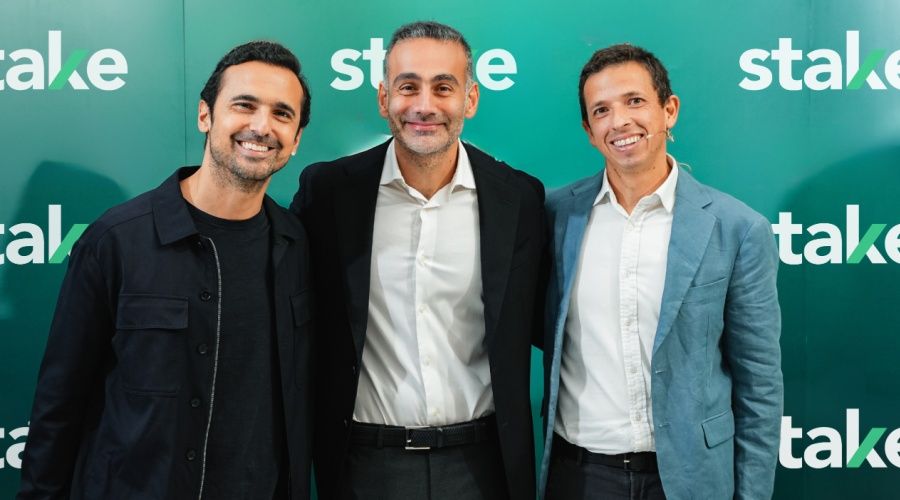
His connection to Dubai is similarly practical. This is where he built his property career and where Stake took shape. At the company’s first summit, held at the Museum of the Future in November 2025, he returned to the city’s role in making the business possible. The location supplied an appropriately ambitious setting for a company still explaining how its different pieces would fit.
A fraction was only the beginning
In September 2025, Tabbara wrote about the reasons for building StakeOne, a product for buying whole properties. He described problems that persisted beyond affordability: lengthy processes, unclear updates and the difficulty of following an investment. The new product would bring discovery, purchase and monitoring together. Fractional investing had opened a door; customers still needed help with the rooms beyond it.
That development returned him to the territory of his earlier career, this time with a different proposition about the ongoing relationship. The work would include what happened after purchase. A whole home and a fractional share involve different amounts of capital, but both leave an owner needing information once the transaction is complete.
The business was also widening geographically. Stake expanded into Saudi Arabia in late 2024 and entered US industrial real estate in October 2025. In February 2026, it announced a $31 million Series B led by Emirates NBD, bringing total funding to $58 million. Property, finance and technology were now joined by another demanding discipline: operating across markets.
His wider ambition is an app through which people can invest in real estate across countries. Tokenisation is part of the company’s plans, with work involving Property Finder and an in-principle approval from Dubai’s virtual assets regulator. That approval is a preliminary step. The ambition for more tradable ownership remains distinct from having an operating, fully licensed service.
When the brochure stops helping
By 2026, the daily demands of ownership were pressing harder. Stake changed its buying approach as rental conditions softened, leaning toward properties with tenants already in place and opportunities at lower entry prices. The reasoning was straightforward: an occupied property starts from a different position than a vacant unit waiting for someone to move in.
October brought a more difficult conversation. Tabbara acknowledged pressure on investor returns and said communication should have been clearer. The company moved to remove its 7% performance fee on property exits and bring management in-house. These were responses to a tougher period, with weaker rents and occupancy putting the experience of existing investors under strain.
He described the management change in terms of responsibility for tenant selection, repairs and the condition of the asset over time. As the portfolio approached 700 properties, he wanted greater visibility into those decisions. On October 8, he joined real estate and property management colleagues for an investor question-and-answer session about the market and portfolio performance.
This is the less photogenic part of the founder story. A repair has no particular interest in a funding round. A vacant home does not become occupied because its ownership records are digital. The company has to keep doing the physical, local work on which the investor’s experience depends. That responsibility is measured over years, long after the first transaction has been completed.
Tabbara’s career has carried him from selling the prospect of a property to answering for the years that follow. That is a longer conversation, and sometimes a more awkward one. It makes his habit of reading the replies feel less like an anecdote and more like part of the job. The ticket can start small. The obligation to answer continues.