A container can finish its ocean voyage and still be a long way from useful. Someone must clear it, move it, store it and make sure its contents arrive in a condition a factory can accept. The ship gets the photograph. The handoff gets the headache. PSA BDP has made that overlooked interval the centre of its proposition.
- PSA’s port network meets BDP’s freight and compliance expertise.
- Its customers include chemical producers, battery makers and other multinational shippers.
- It sells transportation, warehousing and the management connecting them.
- The useful lesson: inspect the handoffs before buying another tool.
The port gate becomes a business opportunity
The ancestry matters. Richard J. Bolte Sr. started the freight-forwarding predecessor in 1966. Decades of handling complicated cargo gave BDP a particular familiarity with chemicals and regulated shipments. Its business involved arranging movement, navigating paperwork and understanding customers whose products could not be treated casually.
PSA International brought another kind of knowledge: terminals. It completed the BDP acquisition in April 2022; a year later, BDP and PSA Cargo Solutions adopted the PSA BDP brand. At that launch, PSA described a network of more than 60 deepsea, rail and inland terminals. Put the two businesses together and the port gate becomes a connection to manage, rather than the end of somebody’s assignment.
PSA BDP can book ocean freight as a non-vessel-operating common carrier, arrange air, road, rail and barge transport, handle customs brokerage, and run contract logistics. With lead-logistics and fourth-party logistics services, it can also coordinate other providers. The commercial proposition is paid transport and logistics work, with the scope determined by the customer’s operation.
PSA’s annual report records more than 1.6 million PSA BDP shipments in 2024. Alternatives include DHL Global Forwarding, Kuehne+Nagel, DSV and CEVA. A buyer should compare the proposed operating responsibility as carefully as the rate: who books transport, who clears customs, and who takes charge when the plan slips?
A warehouse with an unusual guest list
Consider Dunkirk. In 2023, PSA BDP opened a 22,000-square-metre warehouse for electric-vehicle batteries. It had been selected to handle contract logistics and hinterland transportation for Automotive Cells Company’s first European gigafactory, in Billy-Berclau. ACC is the battery venture involving Saft, Stellantis and Mercedes-Benz.
The revealing details are inside the building: in-rack sprinklers, temperature and humidity cameras, quarantine containers and water basins. This is storage designed around what batteries can do when something goes wrong. PSA BDP also advertises battery services such as voltage testing, charging, discharging and repackaging. A pallet position is only the beginning of the job.
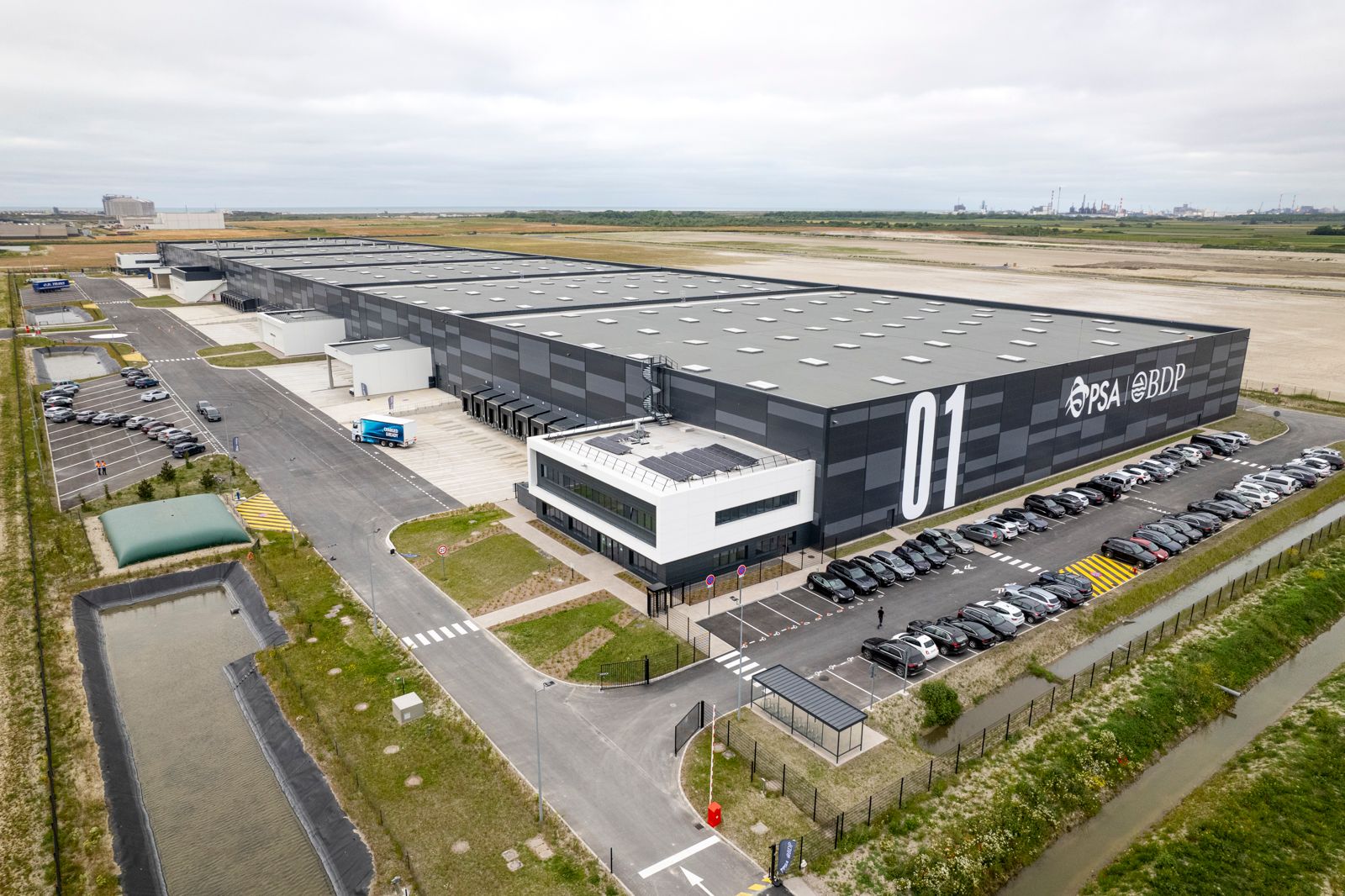
This helps explain its place in the market. Global forwarders compete on rates, capacity, coverage and execution. PSA BDP’s distinctive argument combines cargo-specific handling knowledge with a parent’s port connections. For a battery producer, that combination can matter more than a cheerful promise to move anything anywhere.
Eleven warehouses, one set of decisions
The Syngenta case makes the coordination visible. As the agriculture company grew, it needed warehouses closer to customers in Colombia, Guatemala and Panama. PSA BDP’s published account describes 11 warehouses, 14,000 pallet positions and 14 suppliers under a 4PL arrangement. Customs, trucking, safety and financial management all belonged in the operating picture.
The company reports 97% on-time delivery in 2023 and costs 10% below the initial budget since the project’s launch. Those are project results reported by the provider, rather than promises for a prospective customer. Still, they identify the object being sold: a network organised around a customer’s needs, supported by shared information and performance monitoring.
in 2023
since project launch
The staff behind these arrangements receive less attention than the dashboards. In a 2016 account, then-chairman and CEO Richard J. Bolte Jr. linked long employee tenure to customer relationships: “you start within.” Today, the company describes leadership development and an employee inclusion council. For sensitive cargo, accumulated familiarity is a plausible business asset; the published programs describe how it intends to keep that knowledge growing.
“you start within.”
Richard J. Bolte Jr. / 2016
The truck was the easy part
In India, the operating problem became especially concrete. PSA BDP and Dow India agreed in 2023 to develop electric container trucking through the Mumbai port ecosystem. Operations launched in May 2024. Renewable electricity, charging sites, trained drivers and trailers had to work together.
The case study acknowledges obstacles: existing practices around priority for diesel versus electric vehicles, and the additional costs of electric freight. Its annual-basis figures report 1,890 trips and 136 tonnes of CO₂ emissions reduced. That describes a particular corridor, with particular infrastructure, not an automatic outcome from replacing an engine.
The expenditure was practical: a truck fleet, charging infrastructure, training and implementation work. The lesson for a reader is to budget for the whole working day. Where range, charging access or dispatch arrangements cannot support a route, the same approach becomes a different proposition. A cleaner vehicle still needs permission to get on with its work.
A useful alert needs somewhere to go
The digital products follow the same logic. Smart Navigator offers shipment tracking and predictive arrival times. Risk Monitor connects more than 60 types of risk events to cargo, facilities and suppliers. Smart Classify supports product classification, while the newer Smart Broker focuses on customs-document preparation and collaboration. Each addresses a different reason movement can stall.
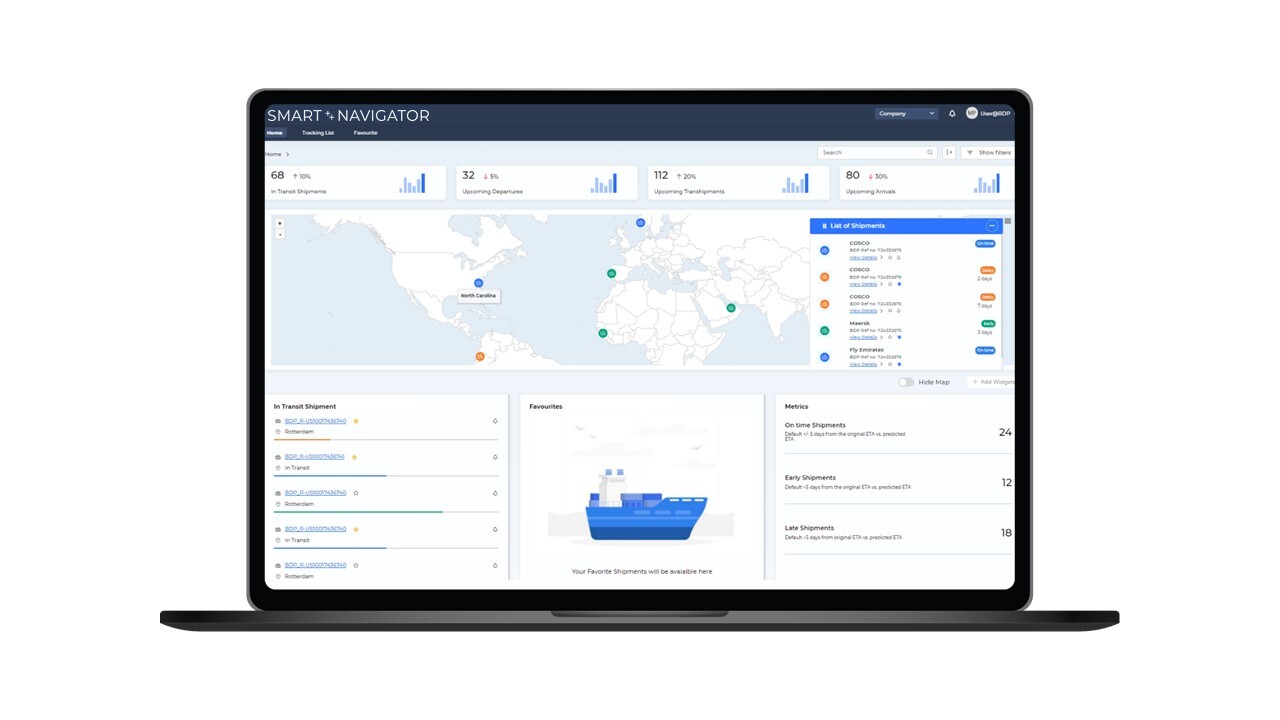
During 2026, PSA BDP is also moving users from Smart Classic to Smart Hub, with full replacement planned by year-end. The new platform brings applications together through single sign-on and a personalised dashboard. Even the coordinator has handoffs of its own.
There is a practical buying exercise here. Ask for a lane-specific proposal covering freight charges, handling, storage, customs work and the management service. Then compare the total with the operational problem being solved. The Syngenta budget result offers a reason to investigate coordinated management; it supplies no universal discount.
The useful question for a customer is what follows an alert. Who can change the booking? Who resolves the document mismatch? Who contacts the warehouse? PSA BDP’s attraction is the opportunity to put those decisions alongside the information. The reader can copy the discipline: choose a troublesome handoff, give it an owner, and measure cost and reliability together. Global trade has ample machinery. It remains surprisingly dependent on somebody knowing whom to call.