The first thing a prospective Persana buyer needs to know is also the last thing that happened to the product: you cannot buy it. Persana AI stopped billing customers on April 1, 2026, offered a 30-day export window, and shut its standalone platform on May 2. The team had joined Rox, an enterprise revenue-agent company. The old homepage and price table still sit on the web like a shop window after closing time. Look through the glass if you want, but the migration guide is the sign on the door.
That ending makes Persana more interesting, not less. In three brisk years it became a compact answer to a recurring sales problem: too many tabs, too many data vendors, too much detective work before a rep can send one decent email. It bundled prospect search, contact enrichment, company research, intent signals, lead scoring, copy generation and campaign handoff into a table-shaped workspace. For founders and lean go-to-market teams, the pitch was easy to understand. Give the machine a market, let it gather the clues, then spend human time on the conversation.
Who it was for, and why they cared
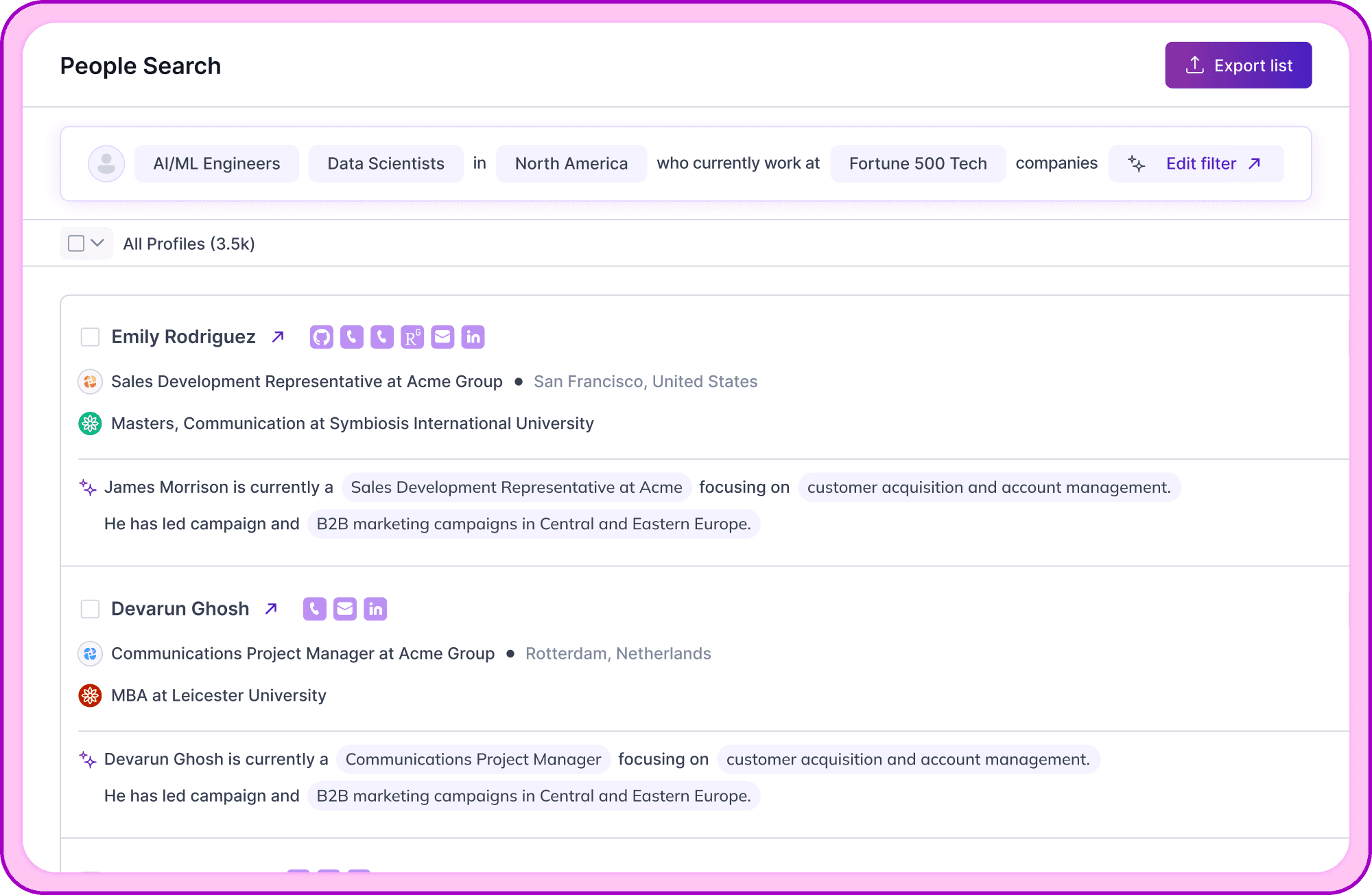
Persana was built for the person whose morning starts with a CRM export and ends with 37 mystery columns. Founders doing their own outbound, SDRs building lists, RevOps teams cleaning data, agencies repeating campaigns for clients, and account executives watching named accounts all had an obvious use for it. Larger teams could wire the results into Salesforce or HubSpot. Smaller ones could remain in the grid, save a prompt and export a CSV.
The attraction was consolidation. A conventional workflow might begin in a contact database, hop to LinkedIn, cross-check an email finder, search company news, ask an AI writer for an opener, then push the record into an email sequencer. Persana tried to turn that scavenger hunt into a row. Its waterfall enrichment checked providers in sequence, which improved the odds of finding an email or phone number without forcing a buyer to manage every supplier directly. Its site ultimately advertised more than 100 data providers and more than 75 kinds of signal.
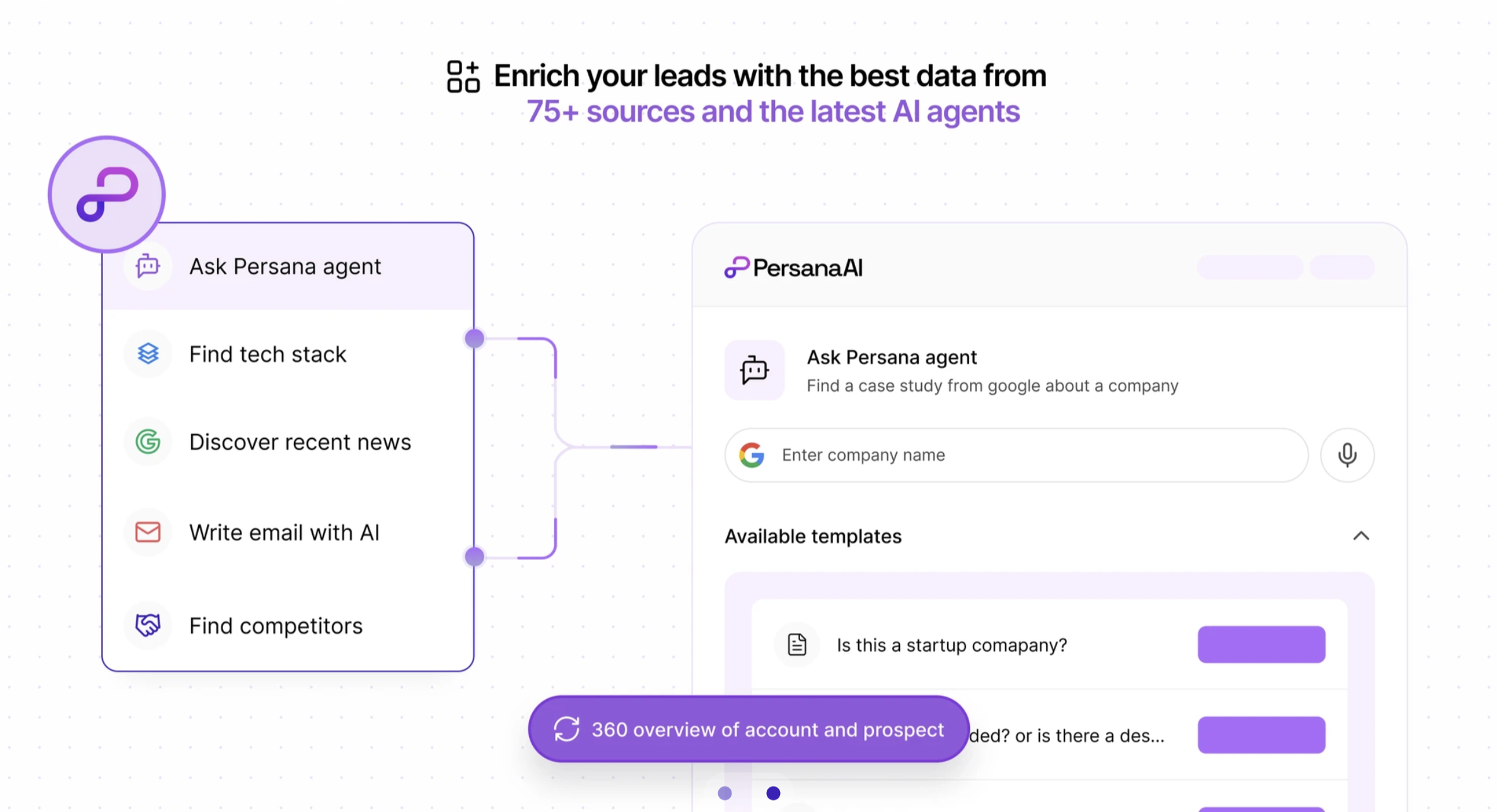
A sales stack wearing a spreadsheet costume
The table was Persana's smart design choice. Sales data is unruly, but rows and columns are reassuring. A user could begin with a people or company search, import a list, add enrichment actions as columns and run conditions only when a record met a rule. The Quantum Research Agent handled open-ended jobs such as reading a company website, finding recent news, extracting a case study or drafting a relevant opener. Saved prompts and templates made that research repeatable.
Persana also chased timing. Its signal catalog covered job moves, hiring, funding, new technology, website visits, product activity, reviews and social listening. The account-based marketing tracker let a team upload named companies and wait for a meaningful change. A new chief executive or fresh funding round could trigger research and outreach while the event was still useful. This was the product's stronger idea: personalization is not merely knowing a prospect's college. It is knowing why today is less random than Tuesday.
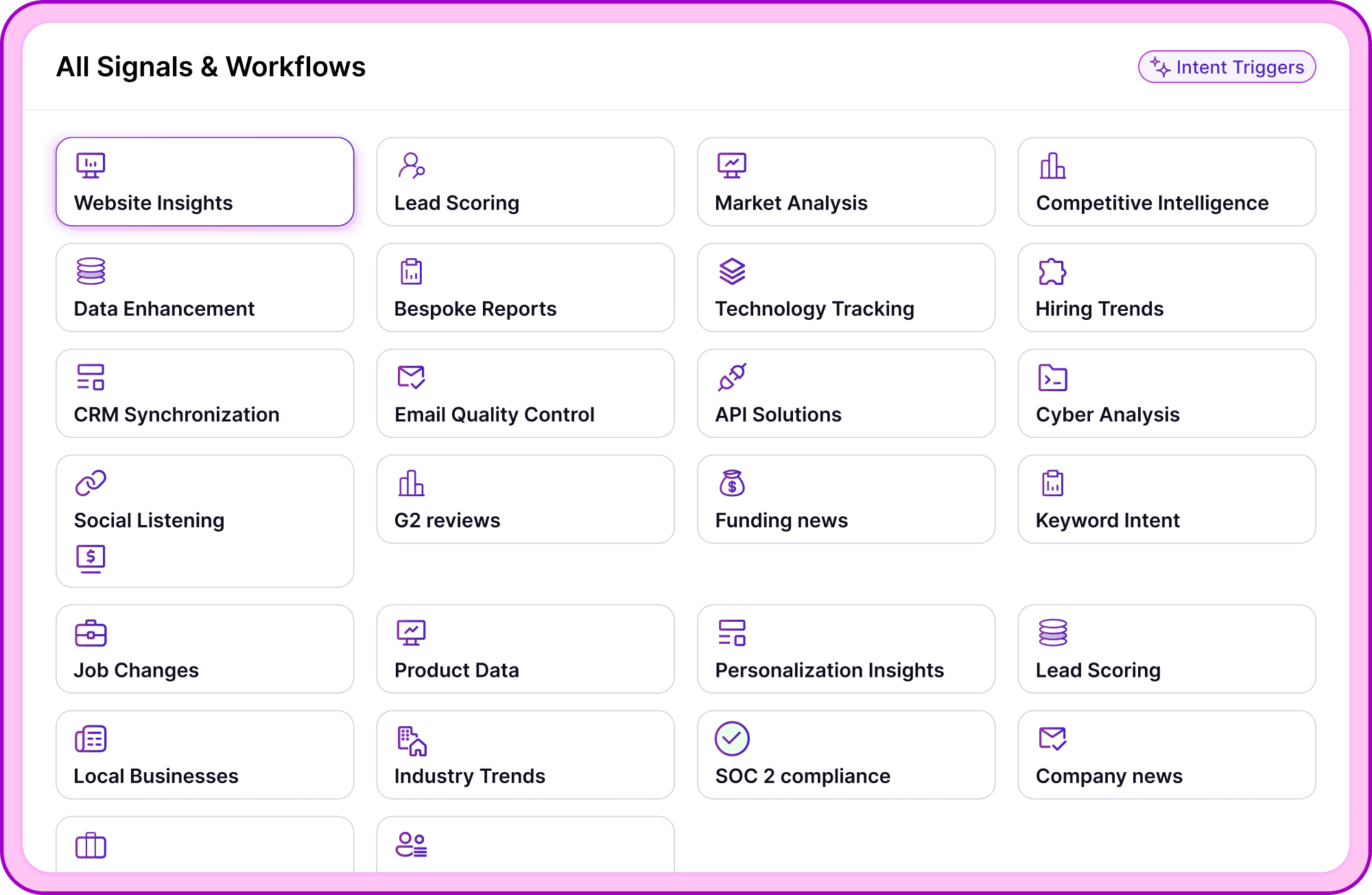
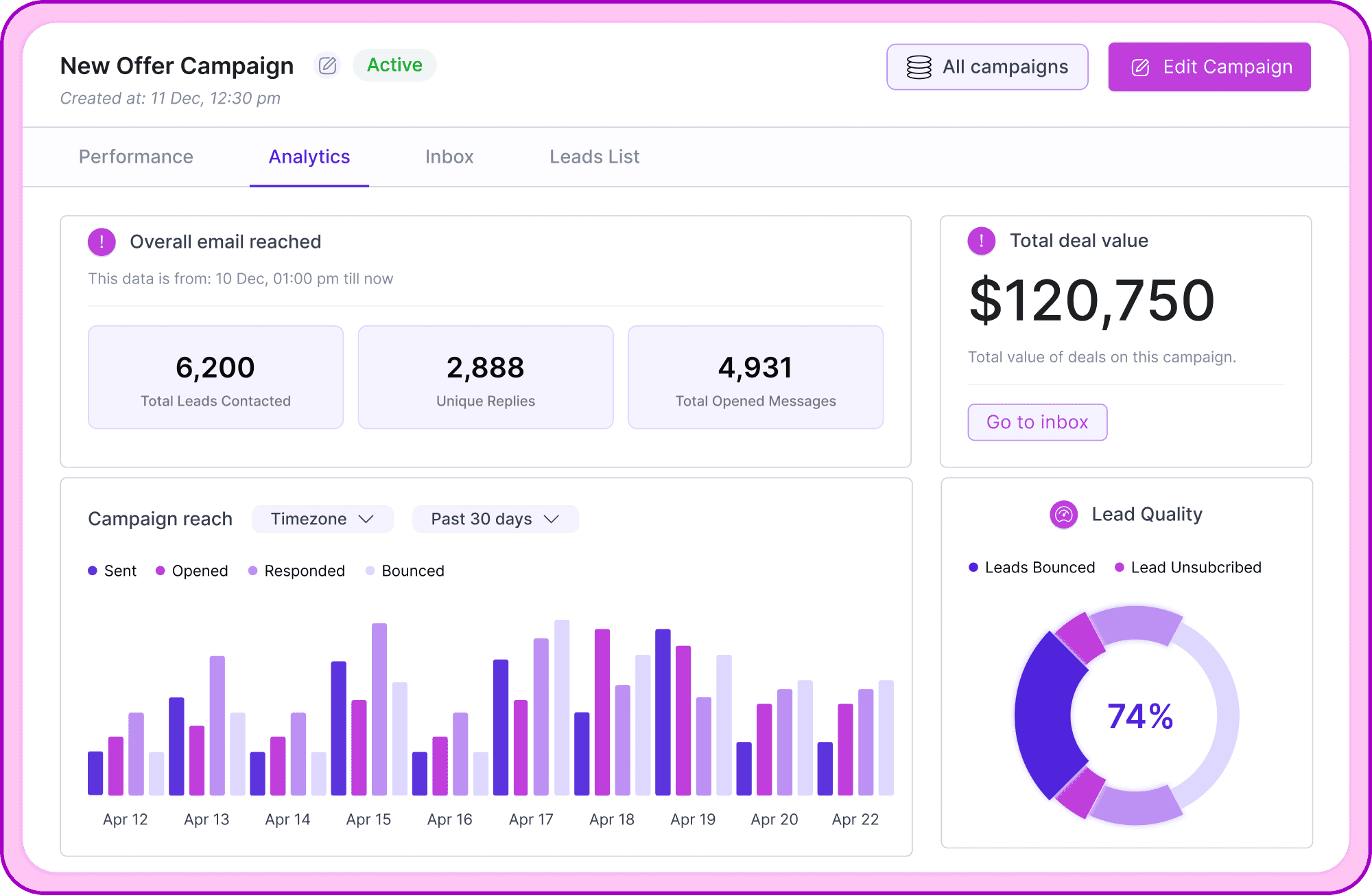
Later versions stretched beyond research. Autopilot agents ran recurring workflows. The AI SDR assembled prospecting, qualification and personalized outreach. A native sequencer added follow-up logic, sending and warmup, while integrations handed leads to Smartlead, Instantly, Outreach and Salesloft. Persana also announced voice agents and an enterprise edition. By late 2025, a product that began as a copilot was presenting itself as a complete GTM operating system.
Company-reported usage figures; G2 rating from its review listing
What the users said when nobody muted the mic
The public review record is small enough to read with care and large enough to spot a pattern. G2 showed a 4.6 out of 5 rating from 40 reviews in 2026. Reviewers repeatedly praised ease of use, enrichment, automation and hands-on support. One senior account executive said the product let a lean team run account-based prospecting without juggling several tools. A small-business reviewer liked that it enriched people and companies in one table, then applied ideal-customer filters and AI personalization.
The complaints deserve equal billing. Users mentioned a learning curve, slow tables, missing filters and the mental arithmetic of team credits. One reviewer objected to unexpected product changes that removed features from lower plans. Another complained that the AI SDR was unavailable below the higher-priced tier. Support drew warm praise from some customers and blunt criticism from others. This is ordinary early-stage software texture: a responsive team can feel wonderful right up until your workflow changes underfoot.
The old price of fewer tabs
Persana's historical pricing explains both the appeal and the friction. It offered a free plan with 50 credits. On annual billing, Starter was listed at $68 a month, Growth at $151, Pro at $400 and Unlimited at $600, with Enterprise negotiated separately. Email discovery generally cost one credit; a phone number cost ten. Higher tiers increased search limits, exports, integrations and agent access. Unlimited still carried a fair-use clause.
That structure was easier to enter than a stack of separate contracts, but not effortless to forecast. A curious user could burn credits while learning which data provider or prompt worked. A serious evaluation therefore needed a fixed sample: perhaps 200 known accounts, a definition of a valid match, bounce-rate checks and a tally of cost per usable contact. The lesson applies to every enrichment platform, alive or otherwise. Count outcomes, not returned cells.
| Option | Best fit | Trade-off to test |
|---|---|---|
| Clay | Flexible enrichment and workflow builders | Powerful ecosystem; can become complex and credit-heavy |
| Apollo.io | Teams wanting database, sequencing and calling | Broad suite; verify data quality against your market |
| ZoomInfo | Larger organizations with formal data budgets | Deep commercial dataset; pricing and contracts suit bigger teams |
| Unify / Common Room | Signal-led outbound and account intelligence | Compare signal coverage, orchestration and CRM fit |
| Rox | Enterprise teams following Persana's official path | Different product and target market; do a fresh evaluation |
Then the machine changed owners
Persana's backstory was neat. Sriya Maram and Rush Shahani met at LinkedIn, where they worked around customer data and search. They founded the company in San Francisco, entered Y Combinator's Winter 2023 batch and publicly launched the prospecting product on Product Hunt in April 2024. That launch placed fourth for the day. A second launch for sales and voice agents placed second in January 2025. In October 2024, Persana announced a $2.3 million seed round backed by Y Combinator, Race Capital, Stage 2 Capital and angels including HubSpot co-founder Dharmesh Shah.
On March 30, 2026, Persana and Rox announced that the teams were joining forces. Rox said Maram would work across growth and product while Shahani would lead prospecting and signal intelligence. Persana said it had powered hundreds of thousands of workflows; its LinkedIn update put the audience at more than 15,000 GTM professionals, the Quantum Research Agent above five million runs and customer pipeline above $100 million. Those are company claims, useful as scale markers rather than audited results.
Persana canceled subscriptions on April 1, allowed exports through May 1 and permanently closed the platform on May 2. Customers were told to download contacts, enriched tables, workflow results and reports, then optionally import CSV files into Rox.
A month is a short farewell for software holding the ingredients of a sales operation. The episode should go into every buyer's checklist. Can you export raw and enriched data without support? Are prompts, workflow logic and activity history portable, or only the final rows? Who owns suppression lists? What happens to scheduled messages if a vendor changes direction? Nobody enjoys asking exit questions during a cheerful demo. Ask them anyway.
The verdict
Persana was a credible, well-liked answer to the tab circus of outbound sales. It understood that useful personalization begins with data orchestration, not a paragraph generator. Its broad provider network, waterfall enrichment, research agent and signal triggers gave small teams leverage that once required several subscriptions and a patient operator. The interface made complex work legible. The reviews suggest that many users genuinely saved time.
It also carried the usual costs of an ambitious young platform: variable speed, shifting features, uneven support experiences and credits that punished experimentation. Then came the final cost: discontinuity. Persana is no longer a recommendation a buyer can act on. It is a case study a buyer can use.
For former customers, Rox is the official continuation, but it deserves a new pilot rather than inherited trust. For everyone else, the competitive question is still alive: do you want a flexible data-workflow canvas, a database with outreach built in, a signal platform, or an autonomous agent that tries to cover the lot? Persana's brief life showed why the all-in-one answer is seductive. Its abrupt ending showed why the export button matters just as much as the agent.