Bench is for the business owner who would sooner clean the grease trap than reconcile another month of card charges. Connect the accounts, answer an occasional question, and a bookkeeping team turns the financial exhaust into statements you can read. That is the promise. It is appealing because most accounting software quietly assigns you a new unpaid job: operating the accounting software.
The service now starts at $199 a month for qualifying lean businesses, with its standard Core plan starting at $399. It fits straightforward US businesses whose owners care more about usable monthly numbers than becoming fluent in debits, credits, and reconciliation screens. Freelancers, agencies, consultants, small shops, wellness practices, trades, and modest ecommerce operations sit squarely in the frame.
Anyone shopping for Bench in 2026 also inherits an unusual homework assignment. On December 27, 2024, the original company suddenly stopped operating, locked customers out, and told them to seek alternatives just before tax season. Employer.com announced an asset acquisition three days later, service returned in January, and Bench eventually joined the Mainstreet portfolio. The dashboard survived. The old corporate entity entered bankruptcy with more than $65 million in debt. A fair review has to hold both facts at once.
Who should hand over the shoebox?
Bench fits businesses whose books are important but structurally boring. A single entity with recognizable bank and card activity, ordinary payroll, service revenue, and a manageable number of payment processors gives its automation and bookkeepers a clean runway. You want monthly profit-and-loss and balance-sheet reports. You do not want to hire, train, or chase a freelance bookkeeper. You are happy to communicate in a web app and let someone else close the month.
The fit weakens as accounting becomes part of the product. Inventory-heavy retail, construction job costing, complicated accruals, multiple entities, foreign currencies, fund accounting, and investor-grade reporting deserve a detailed sales call and probably a specialist comparison. Bench says it supports cash and accrual accounting, yet support for an accounting method does not guarantee support for every peculiar workflow. Your weirdest transaction is the one to bring to the demo.
What you are actually buying
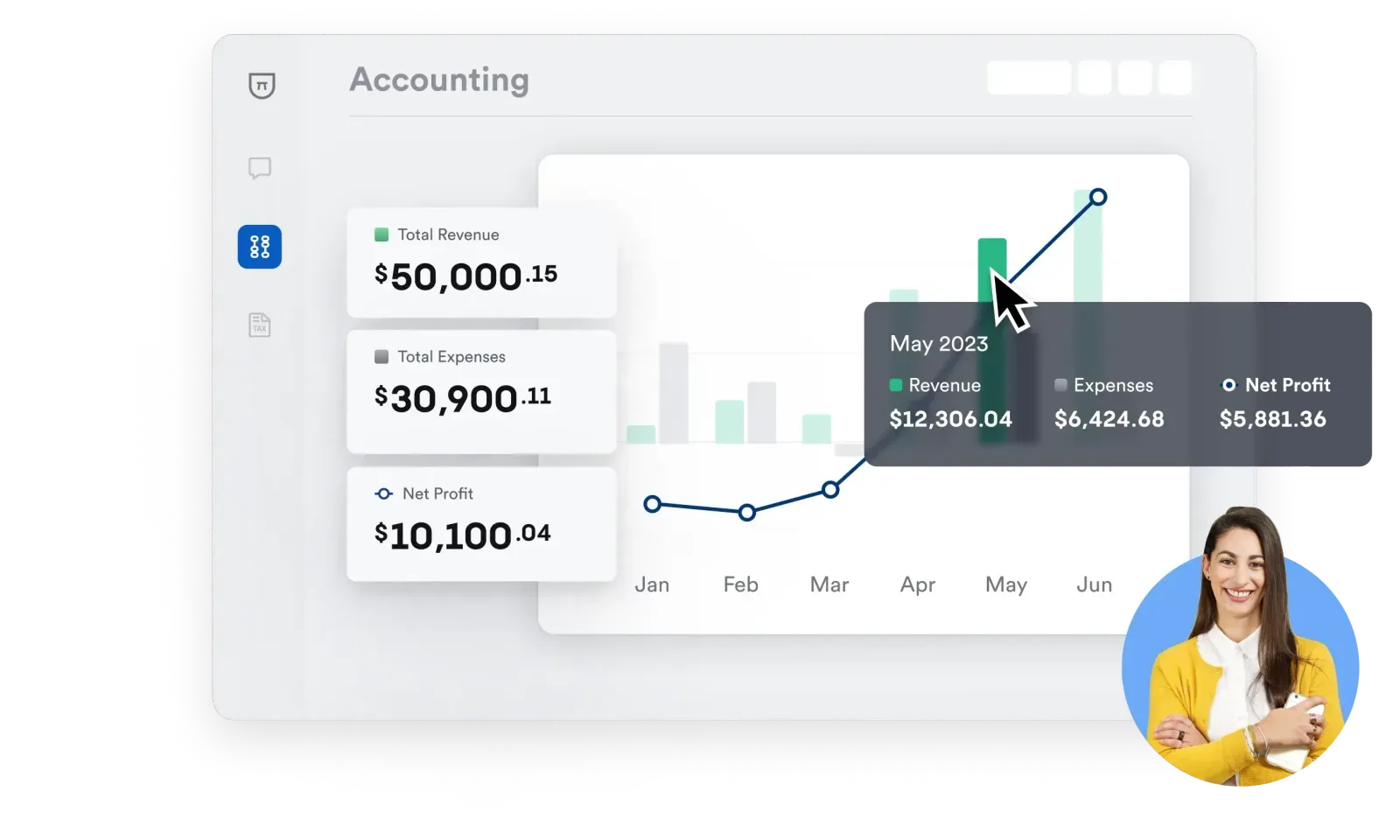
Bench is a service wrapped in software. Plaid connections and integrations pull activity from banks, credit cards, Stripe, Square, Shopify, PayPal, Amazon, and other sources. Automation proposes categories and updates dashboard views. The human team reconciles accounts, reviews the work, requests missing context, and produces monthly statements. Bench says each customer has a three-person bookkeeping team, including a senior reviewer.
Connect
Bank, card, payroll, shop, and payment feeds arrive.
Sort
Software categorizes patterns and flags the oddities.
Review
Bookkeepers reconcile, question, and close the month.
Use
You read reports, export files, and prepare for tax.
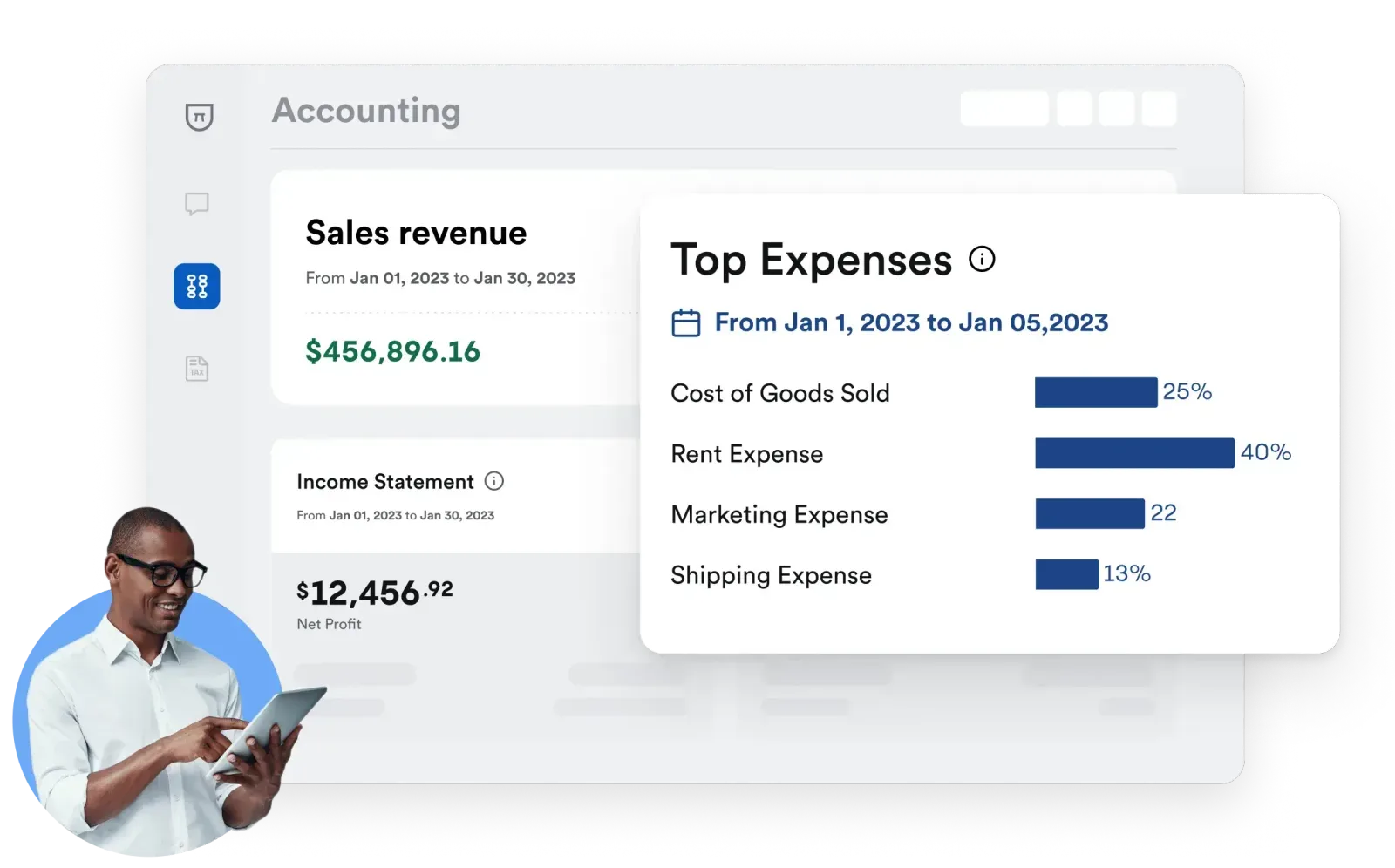
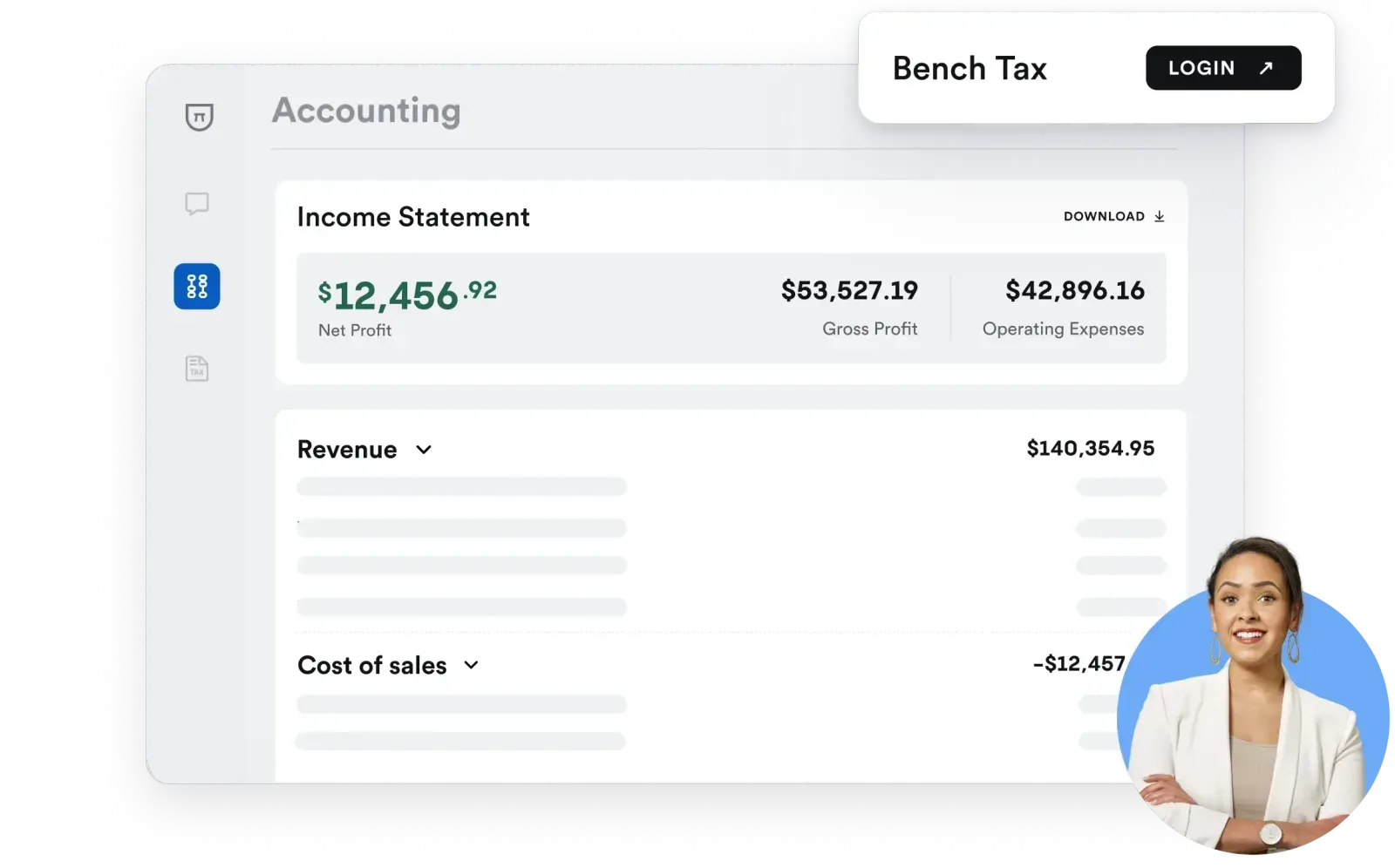
Inside the app, the practical features matter more than novelty. There is a message feed for the bookkeeping team, a document area, transaction search and bulk categorization, notifications when the team needs input, profit-and-loss statements, balance sheets, top-expense views, and 1099 reporting. Connected activity can appear before formal month-end close, giving owners a quicker read on cash and spending. The native iPhone app has been discontinued; Bench now recommends adding its mobile-friendly website to the phone’s home screen.
“They still have to show the ability to do my books correctly.”Dov Krausz, Bench customer, speaking to Inc. after the 2024 relaunch
The price of getting Sunday back
Bookkeeping Grow starts at $199 monthly and is limited to businesses under $250,000 in annual revenue that pass an eligibility check. It includes scheduled communication touchpoints. Core starts at $399 monthly and adds unlimited communication with the bookkeeping team. Core + Tax starts at $599 monthly and adds licensed tax professionals, business income-tax filing, and qualifying personal filing. Annual billing, listed at $1,910, $3,830, and $5,750, can cut up to 20 percent from the monthly rate. Complexity can raise the quote.
| Route | Starting price | Good for | Watch closely |
|---|---|---|---|
| Bench Grow | $199/mo | Lean, sub-$250k businesses | Eligibility and scheduled contact |
| Bench Core | $399/mo | Ongoing books and unlimited team messages | Proprietary ledger and annual contract terms |
| Core + Tax | $599/mo | Owners wanting books and returns together | Confirm every entity, state, and owner filing |
| Bench QBO help | $55/hr + $1,200 | Businesses keeping QuickBooks Online | Hourly scope and onboarding cost |
The new QBO Certified Bookkeeper option is quietly important. It lets a Bench professional work inside your existing QuickBooks Online file for $55 an hour after a $1,200 onboarding charge. Owners who like Bench’s labor model but dislike a closed ledger finally have a route that preserves the industry-standard system. Get a written estimate of monthly hours before assuming it is cheaper.
The catch is the ledger
Bench uses its own system and does not sync a full set of books from QuickBooks or Xero. When you arrive, it can work from closing balances and bank statements rather than importing the old ledger. When you leave, reports can be exported to Excel, and Bench says login access remains available after cancellation. Those are helpful protections. They are different from owning a living QuickBooks or Xero file that another accountant can pick up immediately.
That difference became painfully visible during the shutdown. Inc. reported on customers frightened by the prospect of losing historical access; Reddit threads filled with owners and accountants asking what underlying data could be recovered. Even though the platform returned, the episode supplied a permanent lesson: download monthly reports, year-end packages, transaction details, receipts, and anything a successor would need. Store them somewhere Bench does not control.
The YesPress take
Bench is a sensible purchase for a straightforward owner who values delegated work above ledger portability. It becomes a shaky fit when the business is complicated, the contract is inflexible, or the next accountant must inherit a conventional accounting file. Take the free trial, test one ugly month, and inspect the exports before committing for a year.
What customers say now
The public review picture is better than the immediate post-collapse mood, though it remains mixed enough to read rather than merely average. Trustpilot showed a 4.2 score from 1,353 reviews in September 2026: 73 percent five-star and 13 percent one-star. Recent positive reviews praise consistent support, responsive individual bookkeepers, easier tax seasons, and exportable categorized transactions. Mainstreet says it improved Trustpilot from 2.9 to 4.1, reduced churn from 15 percent to 3.7 percent, and moved net promoter score from negative 28 to positive 22. Those turnaround figures come from the owner, so treat them as a progress report rather than an audit.
Complaints cluster around the human seams: changing bookkeepers, months left incomplete, categorization errors, slow responses, cancellation disputes, and the effort required to move records elsewhere. A 2025 Reddit poster described discovering after signing that the work would not transfer into their accounting software and then fighting an annual contract. One anecdote cannot measure a company, but it can improve your shopping list. Ask the awkward questions while the salesperson is still answering quickly.
Bench versus the other doors
QuickBooks Live keeps the familiar QuickBooks ledger and layers bookkeeping help on top. Pilot aims at startups and professional-service companies, often at a higher price. Bookkeeper360 combines human service with QuickBooks or Xero. A local bookkeeper can learn the peculiarities of your business and may offer deeper continuity, though quality, responsiveness, and pricing vary wildly. Software-only choices such as QuickBooks and Xero cost less because you, an employee, or an outside accountant still operates them.
The right comparison starts with responsibility. Who chases missing statements? Who decides whether a purchase is equipment or an expense? Who notices that a payment processor deposited net revenue after fees? Who signs the return? Bench’s appeal is a clear answer to many of those questions: its team. Its constraint is that the team works in Bench’s house.
A strange little name, a durable idea
The product began as 10sheet, entered Techstars NYC in 2012, moved to Vancouver, and launched publicly as Bench in 2013. Co-founders Ian Crosby, Jordan Menashy, Adam Saint, and Pavel Rodionov pursued a hybrid that looked unfashionably human beside pure software. The human part endured because bookkeeping contains exceptions, context, and judgment. Bench eventually raised $113 million and employed hundreds. The venture-scale version of the business failed. The customer proposition survived the wreck.
Bench says its name comes from banca, the Italian bench used by money changers in Renaissance markets and a root of “bank.” It is a pleasing origin for a business that sits between an owner and their numbers. In its second life, Bench has a chance to prove that the seat is stable. Customers should still keep a copy of the ledger before they sit down.