An empty hotel room is a peculiar kind of product. At six in the evening, it is something a hotel can still sell. By tomorrow morning, last night’s vacancy is worthless. The bed remains. The opportunity has vanished. Priceline’s founding insight was that this little deadline could help two people who appeared to want opposite things: a traveler seeking a cheaper room and a hotel reluctant to advertise one.
- Priceline sells travel, with a particular appetite for deals.
- Express Deals exchange a hidden provider name for a discounted price.
- The useful skill is knowing which choices you can surrender.
The room that cannot wait
Consider the hotel’s problem. Publish a lower rate and customers who would have paid more may discover it. Leave the room empty and tonight’s revenue disappears. Jay Walker’s solution was to build a different door into the market. Customers could offer a price, accept restrictions and let Priceline find a supplier willing to take the sale.
The company was formed in 1997; its leisure airline service launched on April 6, 1998. Hotels followed that year. Travelers supplied something besides money: flexibility. They could agree to an airline or hotel without choosing its identity beforehand. Suppliers gained a way to sell spare capacity without putting the same discount in the shop window.
star rating
Accept the terms.
after booking
This is a useful way to understand Priceline’s expertise. Its work involves supplier relationships, pricing and the design of a transaction. The website makes the exchange convenient, but the exchange itself requires something less glamorous: a seller who can afford the discount and a buyer who accepts the conditions.
The grocery aisle was a different business
The temptation was to apply the idea everywhere. A separate licensee, WebHouse Club, brought name-your-price shopping to groceries and gasoline. It closed in October 2000. Its economics carried an awkward obligation: supermarkets received full retail payment while WebHouse financed the customer’s discount, expecting outside support to make the arrangement viable.
That difference matters. A room left empty tonight has a deadline built into its economics. Giving someone a cheaper basket of groceries requires a workable answer to who pays the difference. When WebHouse could not secure the capital it needed, the experiment ended. Priceline announced a $188.8 million noncash loss associated with its WebHouse warrants.
Priceline’s disclosed noncash warrant loss following WebHouse’s closure in 2000. This measures an accounting loss, rather than the licensee’s total cash spending.
The practical lesson is almost annoyingly specific. Before copying an attractive marketplace, identify the supplier’s reason for accepting less. A clever checkout cannot manufacture that reason. Priceline’s durable business remained travel, where the price of unused capacity and the price visible to the public could be separated.
Keep the secret. Lose the bidding.
There was another assumption worth revisiting: did the customer actually need to bid? In 2012, Priceline introduced Express Deals. The customer saw a price, neighborhood, star level and selected amenities. The hotel’s identity arrived after purchase. The guessing about an acceptable bid disappeared; the hidden supplier remained.
Competition helped force the question. Priceline’s 2012 annual report described pressure from rival opaque hotel services and positioned Express Deals as a response. Hotwire already offered a related approach. This was adaptation to a market with alternatives, including conventional online agencies and the suppliers’ own booking sites.
The choice you barely care about may be the choice a supplier can pay you to give up.
Today Priceline sells ordinary, disclosed-provider reservations too: hotels, flights, rental cars and packages, with cruises and experiences also available. VIP membership adds savings and benefits. Revenue comes through travel intermediation, including commissions and merchant margins. Priceline connects travelers to suppliers; it does not need to own the hotel building to sell the stay.
What the bargain asks of you
For the traveler, the exercise begins before searching. Decide whether the exact hotel matters. If several properties within a neighborhood would serve equally well, an Express Deal may suit you. If you need a particular entrance, an adjoining room arrangement or the hotel beside a wedding venue, the missing identity becomes consequential.
Then compare the final payable amount and the cancellation conditions. Priceline’s deal-program terms generally make bookings nonrefundable, nonchangeable and noncancelable unless checkout expressly says otherwise. A lower rate with a commitment attached is a different purchase from a flexible reservation. Unsettled dates can make flexibility worth more than the discount.
Conventional listings provide another route when those restrictions do not fit. Southwest flights became directly bookable on Priceline in August 2025. A neighborhood-focused product release that April also added discovery tools and a Turo integration. The customer can now shop through several different kinds of choice within the same business.
The next negotiation happens in a chat
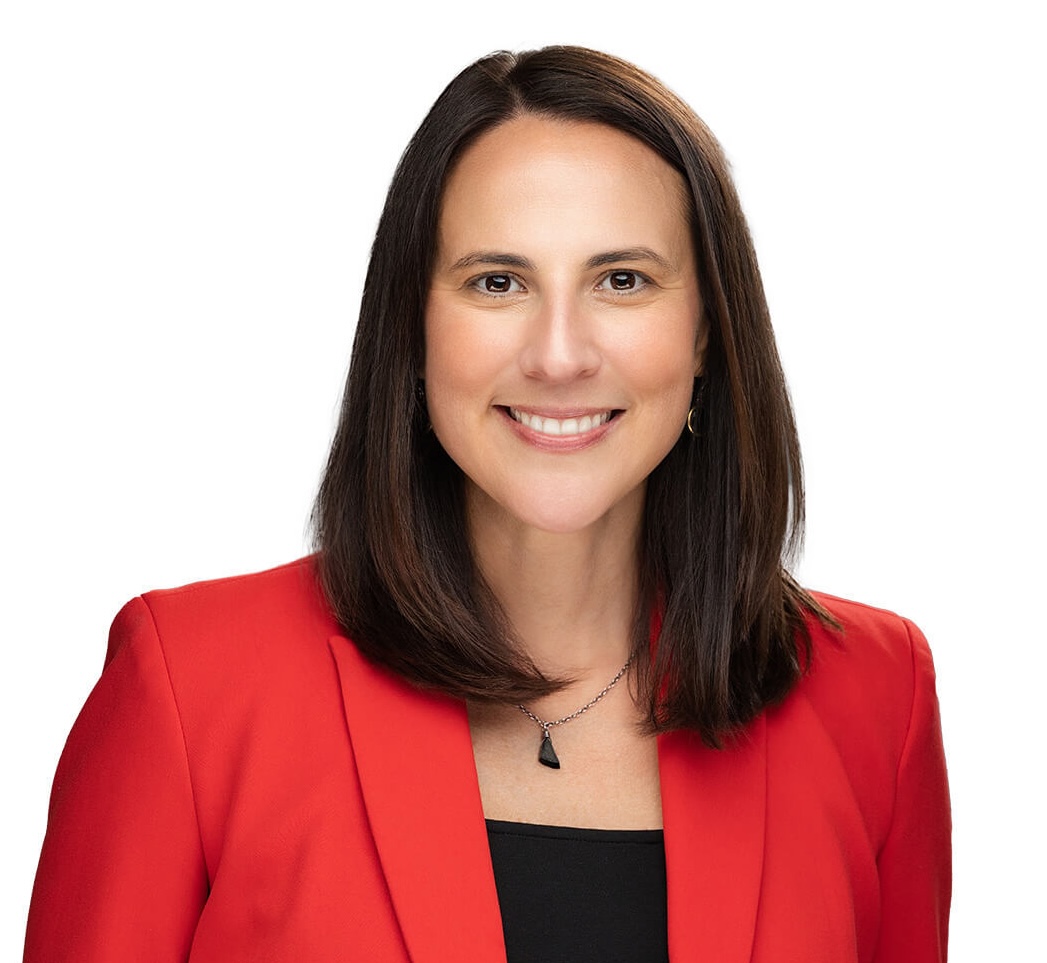
Zimmerman inherited a brand whose name can cause confusion. The former Priceline Group renamed itself Booking Holdings in 2018. Priceline remained a consumer business alongside sibling brands including Booking.com and KAYAK. The parent’s scale should not be mistaken for this individual brand’s financial results.
In June 2026, Priceline announced an expanded Penny assistant that brings trip comparisons and booking into a conversation, supported by live inventory and interactive maps. Its stack includes Anthropic, Google Cloud and OpenAI. The interesting connection is between a conversational request and something available to buy. Fluent advice alone cannot reserve a room.
The interface has changed considerably since 1998. The underlying question is recognizable: which details matter enough to pay for? Priceline gives travelers several ways to answer. For anyone building a business, the idea to borrow is equally concrete. Find a costly preference the customer can comfortably loosen, then make the trade explicit.