At Mattel, the data had become a schedule. To refresh an environment for its legacy enterprise software and warehouse systems could take two to five days. The company was trying to serve more channels, including direct sales to customers, but each new test still needed a usable copy of the old systems. Code could move quickly. The database arrived when it arrived.
Perforce Delphix sells a way to change that arrangement. Its software takes enterprise data, makes space-efficient virtual copies, protects sensitive fields, and delivers the result to development and test teams. In Mattel’s published account, a refresh that could take five days fell to roughly four to eight hours. Storage across two applications dropped from 12 terabytes to 3.9. Those are customer-reported results, not a promise for every installation. They do, however, reveal the company’s real product: time returned to a release team.
- Delphix gives developers realistic test data without making a full physical copy for every environment.
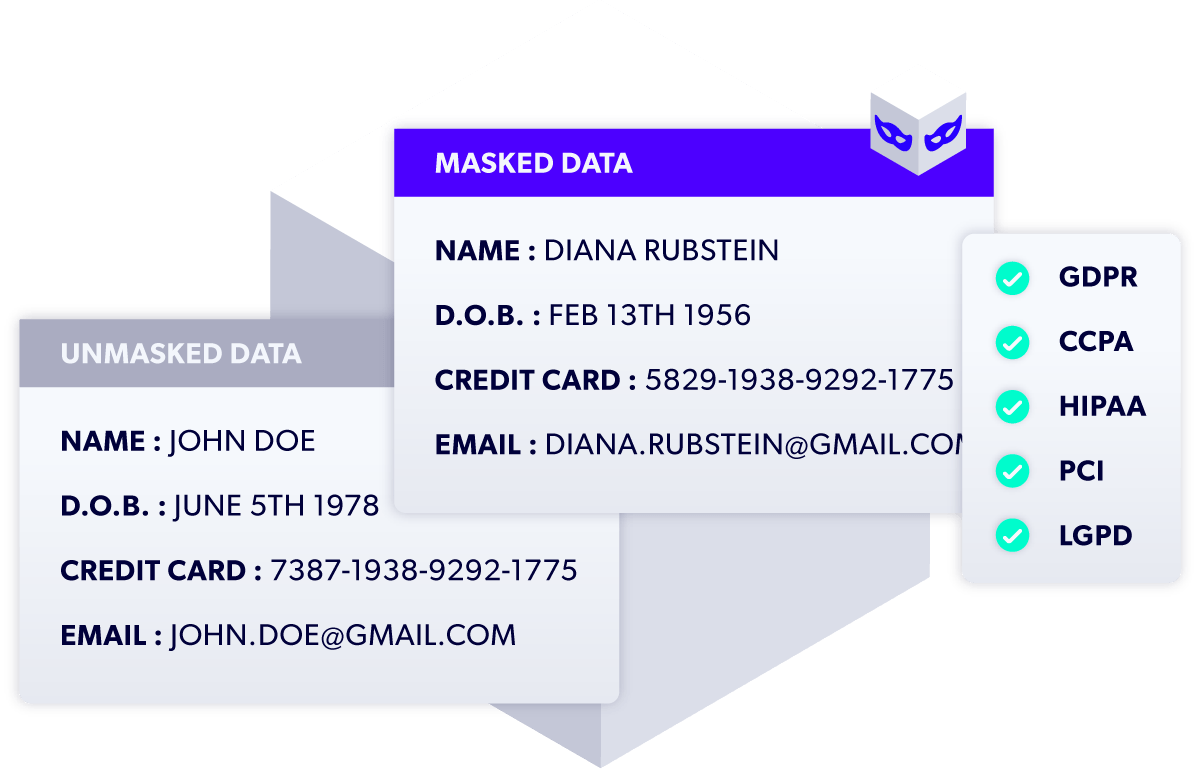
- Masking lets teams use production-like records while protecting private information.
- New synthetic data tools create plausible cases that production records cannot provide.
- The buyer is usually a large organization with big databases, privacy obligations, and too many teams waiting in line.
A queue disguised as a database
Jedidiah Yueh founded Delphix in 2008, when the problem looked like one of weight. Enterprise databases were large, awkward to duplicate, and slow to hand out. Delphix emerged from stealth in 2010 with a premise borrowed from a familiar trick in computing: keep a shared base of data, then give each team a virtual copy rather than a complete physical duplicate. A tester could ask for a point-in-time environment, run a destructive test, and rewind to a bookmark. A developer could branch a copy without requesting another storage-heavy clone.
That sounds like plumbing because it is plumbing. Its importance appears when the plumbing stops blocking the work above it. Perforce describes a process that synchronizes with production sources, records changes, and provisions downstream virtual copies by sharing data blocks. The team gets a database that behaves like a physical one, with controls to refresh, rewind, bookmark, and branch. The vendor markets provisioning up to 100 times faster, but the useful question for any buyer is simpler: which specific environment is stuck, for how long, and who is waiting?
The catch was obvious once copies became easier to create. A fast copy of sensitive customer information is still sensitive customer information. Delphix added masking capabilities as its business evolved, folding the privacy problem into the delivery problem. Its Continuous Compliance product discovers fields such as names and payment information and replaces the values with fictitious ones while preserving relationships that tests depend on. If a customer ID points to an order in one table and a payment in another, a useful test database must keep those links intact.
What failed first? The calendar.
Virgin Money offers the other half of the argument. The bank needed fresh, production-like data to test changes, yet could not treat customer information casually. Its account of the project says database provisioning moved from weeks to minutes after it connected refreshes, masking, and DevOps pipelines. Failed tests could be reset quickly. Defects surfaced earlier. The bank says it had evaluated multiple tools; the deciding requirements were fast secure refreshes, consistent masking across platforms, and integration with its automation.
“Our teams were able to certify test results that had taken months to achieve previously.”Virgin Money customer account
There is a cost story here, though no public price list makes it possible to calculate a universal return. Delphix sells through enterprise demos and contracts. The buyer pays for software and implementation; the hoped-for savings come from less duplicate storage, less manual environment support, and fewer days lost to waiting. Mattel’s storage figures are unusually concrete. Perforce also says more than 30% of Fortune 100 companies had used Delphix by the time it completed the acquisition in March 2024. That is evidence of enterprise reach, not evidence that every customer got Mattel’s result.
The case the database has never seen
A perfect copy of yesterday’s production database still has a blind spot: tomorrow’s edge case. In September 2026, Perforce announced Delphix Synthetic Data, designed to generate scenario-specific records with relationships intact. It can help test a new application with no production data, fill a gap in an existing masked dataset, or invent a failure case that has yet to happen. Perforce says its AI-assisted workflow examines schemas and metadata, then lets users describe the data they need. Its July 2026 product release had already placed the capability in early access.
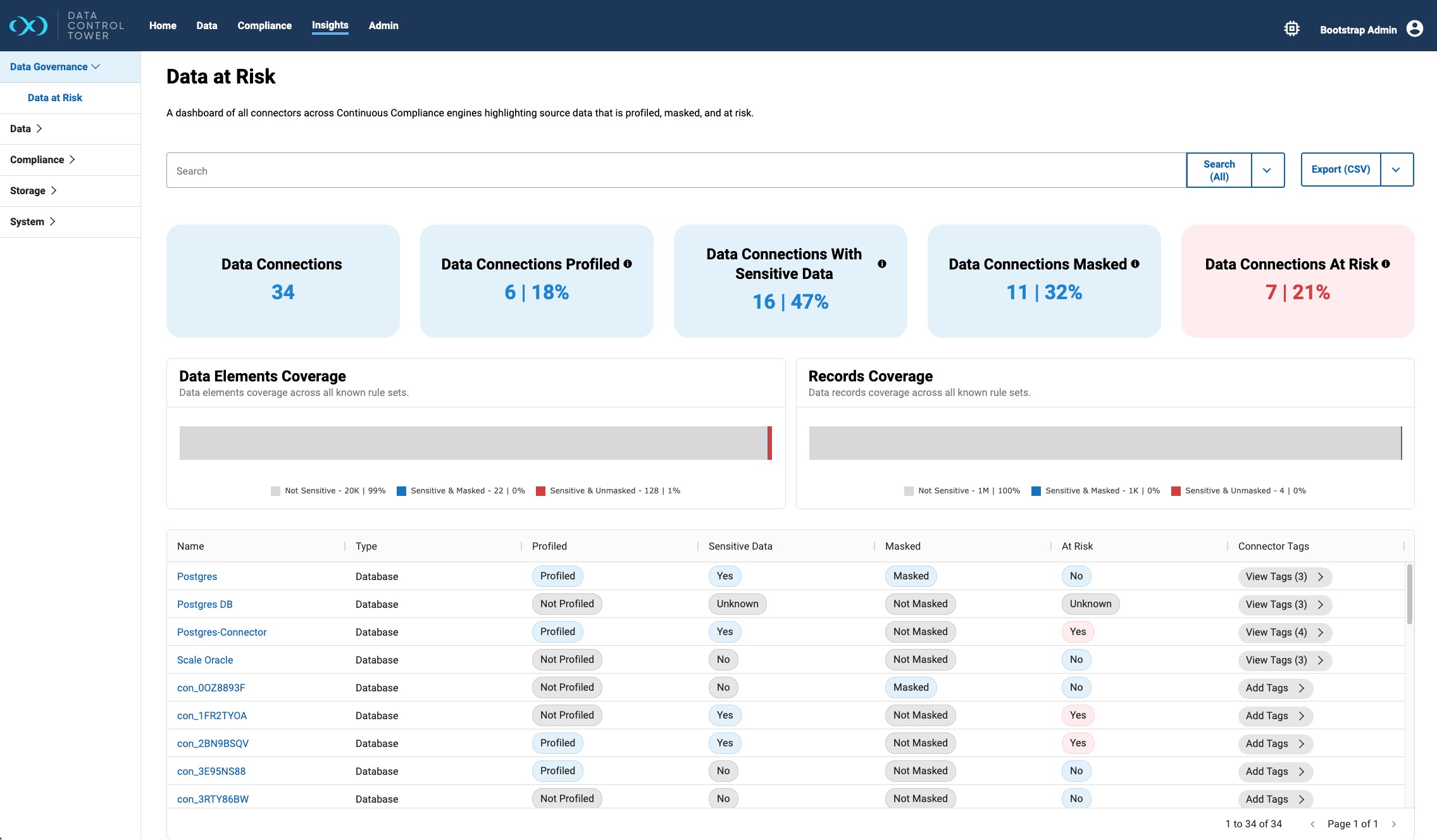
This is where Delphix sits in the market. Cloud platforms can clone their own databases. Security specialists can mask fields. Other tools generate synthetic records. Delphix’s argument is that a large company wants these activities governed together, across multiple data sources and development environments. Data Control Tower supplies the central view; Continuous Data handles copies; Continuous Compliance and Hyperscale Compliance handle protection; Synthetic Data adds records that a copy cannot give you. The portfolio is a response to a mundane enterprise truth: a test environment usually crosses more than one system.
That breadth also sets a boundary. A small team with one modest database and easy native cloning may have little reason to buy an enterprise platform. A team whose source data is poor will not fix test quality by copying it faster. Masking policies have to be defined and checked; a synthetic record has to preserve the relationships the application expects. The product pays off where repeated provisioning, storage use, and privacy work have become shared bottlenecks across many teams. The first useful experiment is to measure one slow refresh, one risky data path, and one test that cannot be written with today’s records.
A larger home for the plumbing
Delphix raised a $75 million Series D in 2015, led by Fidelity, bringing its reported total funding to $119.5 million. Perforce acquired the company in 2024. The deal put data delivery alongside a broader collection of development and testing tools. In the cheerful diagrams of DevOps, software travels smoothly from commit to release. In actual enterprises, the code can arrive first and wait at a locked door marked “test data.” Perforce’s bet is that owning the door matters.
The practical lesson is easy to borrow even without buying the software. Find the queue before buying a faster pipeline. Count how many environments are made from the same source. Calculate the elapsed time of a refresh and the labor needed to support it. Identify private fields before copying data downstream. Preserve the links between records, or the tests will become theater. Then give teams a controlled way to reset and repeat. Delphix’s history is a reminder that software delivery has two clocks: the one that measures code, and the one that measures whether anyone can safely test it.