There is a peculiar kind of waste in software: the machinery is running, the invoice is arriving, and very little useful work is happening. In one People10 case study, an AI fraud-detection platform had paid for graphics-processing capacity that sat 70-90% underused during development cycles. The expensive part of artificial intelligence, apparently, can be the waiting.
- People10 builds custom software and modernizes the systems beneath it.
- Clients buy engineering projects or dedicated teams, from prototypes through ongoing delivery.
- Its useful lesson: inspect how software runs and gets released, as carefully as what it does.
People10 changed how that platform allocated computing resources and released software. It introduced Kubernetes-based GPU sharing, automated delivery, and capacity that could expand with demand. The company reports roughly $500,000 in cloud savings within three months. The intriguing detail is the intervention: the assignment concerned the plumbing around AI, rather than a cleverer fraud-detection model.
Paid accelerator capacity underused during AI/ML iteration, according to People10’s client case.
What happens after “it works”?
Software has several definitions of success. A prototype must demonstrate an idea. An airline booking system must help somebody buy a ticket. An enterprise application must coexist with the awkward systems already there. Each achievement creates another demand: more users, more releases, more integrations, more opportunities for something to go wrong.
That expanding middle is People10’s territory. Its service portfolio spans web and mobile development, legacy modernization, data engineering, cloud infrastructure, DevOps, testing, and connected devices. Customers can commission a product or bring in a cross-functional team. For a buyer, the attraction is having those disciplines available together, rather than assembling a new supplier for each problem.
Consider the distinction between hiring someone to build a screen and hiring someone to make the screen dependable. The second assignment includes architecture, deployment, performance, and the ability to investigate a fault after launch. People10’s positioning puts those tasks inside the engineering relationship. Its market is the space between a company’s product ambition and its available technical capacity.
Two founders, no waiting customers
People10 began in 2011 with Nisha Shoukath and Rakesh Dahiya. In a published account of her career, Shoukath describes the frustration of watching vendors offer standard services when businesses needed more inventive solutions. She and her business partner had corporate experience, personal funds, and no customers at the start.
The adjustment was less glamorous than the founding announcement. Shoukath says moving from senior roles, where they could delegate, to doing everything themselves took almost a year to absorb mentally. Sales and marketing required learning through trial and error. Knowing how to manage technology did not automatically provide a queue of people willing to buy it.

Co-founder / COO
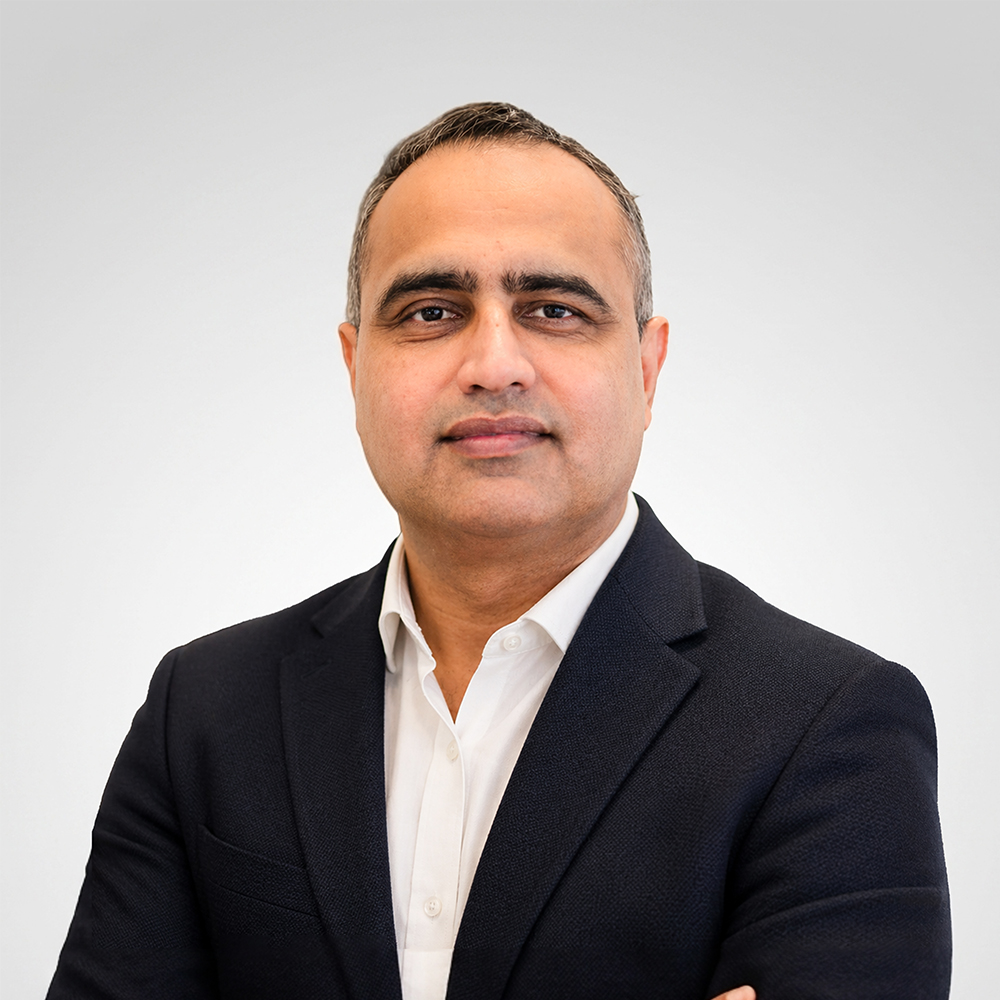
Co-founder / CEO
Money followed a specific commercial need. Mint’s October 2014 report described an initial $500,000 investment and a later raise of about INR 10 crore from Ideaworks Partners. The stated use was US expansion, sales, and marketing. Even an engineering business needs to engineer a route to its customers.
The same shop, different clocks
The range of customers explains the range of assignments. People10’s public testimonials include telehealth company Certintell, Allegiant Travel, Insight Education Group, and Jenmar International. These businesses operate on different clocks. A new health product needs an early version; an established travel business needs changes that fit an operation already moving.
Certintell co-founder Benjamin Lefever describes a cloud-based Ruby on Rails build, quick wireframes, and a working prototype. In the company-hosted testimonial, he says, “we were able to launch the MVP in just 6 weeks!” It is one customer’s account of one launch, with a clear implication: reduce the first assignment until it can meet actual users.
An airline modernization case starts elsewhere: an outdated booking system. People10 describes rebuilding it as a web application with improved usability, booking features, and security. It reports a 20% revenue increase and 35% traffic growth. The airline is unnamed, so those figures belong to the company’s account rather than an independently reconstructed experiment.
The customer has homework, too
People10 earns money through professional services and dedicated development teams. Its Clutch listing advertises projects starting at $10,000 and hourly rates of $25-$49. Those directory figures are a starting point for a conversation; the scope and duration determine the bill.
One particularly useful review comes from door manufacturer Steves & Sons. Its accounting-integration engagement sat in the $50,000-$199,999 range. The customer’s first overseas development experience brought unexpected friction: verbal plans were harder to communicate, documentation grew, and meetings had to fit a narrow morning overlap. They adapted. Coordination was part of the work.
That experience offers a practical buying rule. Reserve time for written requirements, decisions, and shared meetings. A dedicated team is most useful when somebody on the customer side can answer questions and resolve trade-offs. A buyer expecting to hand over a vague ambition and disappear will make even capable engineers spend their days guessing.
Teamwork gets a job description
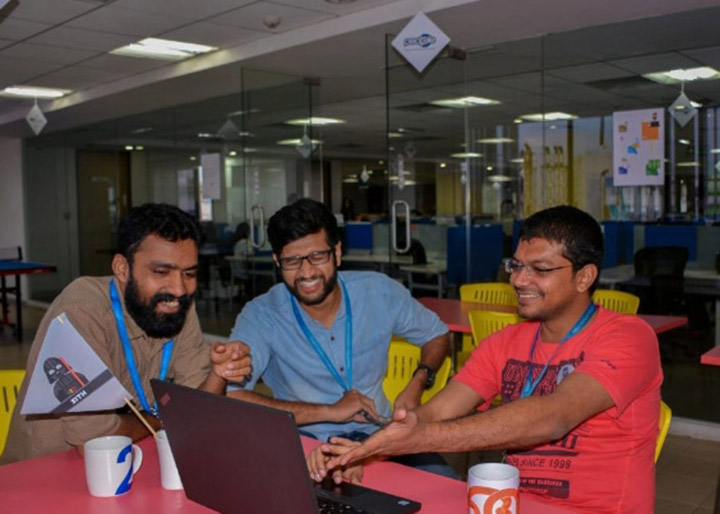
“Teamwork over individual heroics.”People10 company values
Its Centers of Excellence give that preference an organizational form, gathering expertise in AI, data, IoT, cloud, platform engineering, quality, and agile delivery. The point is to make specialist knowledge available beyond one project team.
A September 2026 announcement reports a fifth consecutive Great Place to Work certification. People10 describes flexible arrangements, parental benefits, return-to-work support, and opportunities to experiment. Those are concrete practices behind a culture claim; the daily experience still depends on the team and assignment.
The habit worth copying is quite modest. Choose a usable increment, expose it to scrutiny, and improve the machinery that delivers the next one. People10’s cases suggest that progress can hide in an unromantic place: an idle processor, a release procedure, a requirement somebody finally writes down. The demo wins attention. The next dependable release earns another day of business.
Keep exploring
People10 website ↗ · Engineering blog ↗ · Company news ↗