The first thing ParentSquare fixed was not the message. It was the route. A principal could write one note about a late bus, a missing permission slip or an unexpected closure, and the platform would send it by the channel a family could actually receive: text, email, voice call, web or mobile app. No app download was required. No fresh password stood between a parent and the news that pickup had moved to the gym.
This sounds almost aggressively ordinary. That is the point. K-12 communication is a thicket of student-information records, classroom habits, home languages, shared phones and exhausted adults. The graveyard is full of elegant apps that assumed everybody would install, authenticate and check them. ParentSquare built around the opposite assumption: the family is busy; the system should do the adapting.
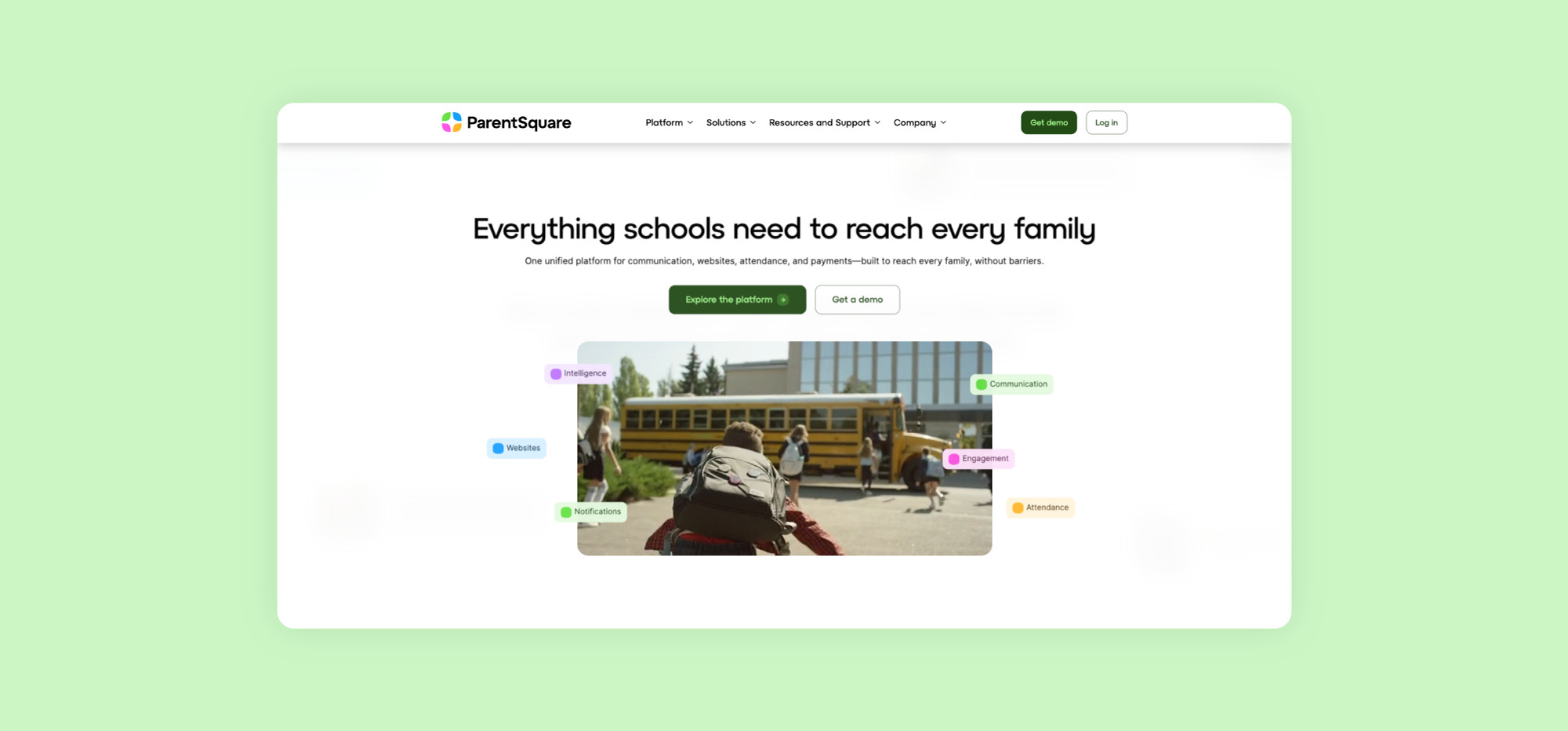
The company now describes itself as family-engagement infrastructure. The phrase is grander than “school messaging,” but its expansion supports the claim. The same account and roster layer now handles mass alerts, teacher conversations, newsletters, calendars, RSVPs, volunteer shifts, conferences, digital signatures, secure documents, payments, attendance interventions and school websites. In 2026 it added an optional AI layer for rewriting posts, suggesting family conversation starters, drafting alt text and improving attendance messages.
The parent who treated a Friday folder like a systems bug
ParentSquare began in 2011 with Anupama “Anu” Vaid, a computer engineer and parent in the Santa Barbara area, and her husband, Sohit Wadhwa. Vaid had noticed the obvious but stubborn gap between school and home: when she was physically present at school, information flowed. When she was not, notices scattered across paper, email and word of mouth. She started building a way for every family to get the same connection.
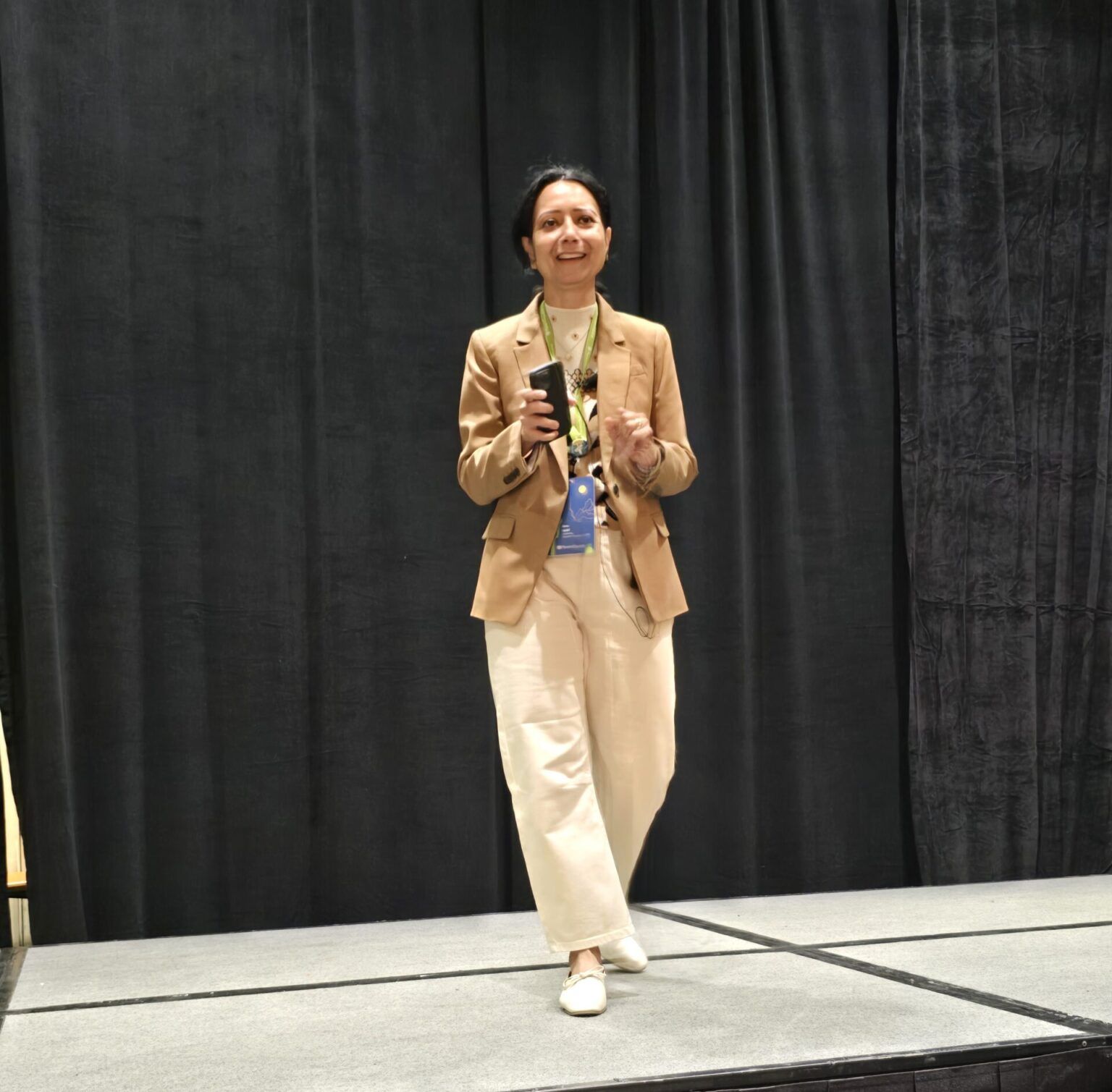
Early growth was decidedly local. The company moved from one Santa Barbara-area campus to another, using school partners to shape the product. The first commercial stumble was price, or rather the absence of one. Vaid initially offered ParentSquare without a set fee. Schools were reluctant to trust a free product with an essential job. Charging gave districts “skin in the game,” she later explained. Money did not merely produce revenue. It signaled that implementation, support and accountability would exist when a superintendent needed them.
“When schools and families connect, they create a village where students can flourish.”Anupama Vaid, founder and president
That is the useful reversal in the origin story. Founders often use free as a solvent for adoption friction. In a high-trust, high-consequence market, free can create a different friction: suspicion. A school is not choosing a weekend photo filter. It is deciding who carries emergency messages, family phone numbers and student-linked documents. A credible bill can be part of the product.
One message, five exits
ParentSquare syncs the roster and contact information already held in a district’s student information system. Staff write once; the system routes and translates. Families can reply in their preferred language. Administrators can see delivery, verify contacts and find the exceptions. The metric that matters is not how many notices went out, but which households remain unreachable.
The route is the product
+ SIS roster
That makes ParentSquare different from three neighboring categories. Old mass-notification systems are good at broadcasting but can feel like descendants of the robocall. Classroom-first products such as ClassDojo, Bloomz and TalkingPoints win teacher affection but may not replace district-wide workflows. Website-first platforms such as Apptegy and Finalsite start with public storytelling and content management. ParentSquare’s bet is that a district wants one governed identity and delivery layer across all of them.
The acquisition of Remind, completed in November 2023, made the strategy especially clear. Remind had grown through teachers, classes, clubs and join codes. ParentSquare had grown through administrators, SIS connections and district procurement. After the deal, ParentSquare began adding popular Remind behaviors such as voice clips, code-based groups, broad class messaging and two-way texting to its own platform while keeping Remind Chat available for individual use. It bought a rival, but it also bought a bottom-up habit.
The bundle eats the permission slip
The business is subscription software sold to schools and districts, usually priced by student enrollment rather than the number of parent or staff accounts. The base communication package can be extended with websites, attendance workflows, payments, virtual phone service and intelligence features. Direct SIS integrations and single sign-on, including an official PowerSchool connection, reduce the handwork that kills district rollouts.
There is no honest universal sticker price. Public procurement documents show the shape of the spend, not a rate card. One Illinois district approved a $2,150 upfront cost and a first annual term of $15,050, with later annual terms above $23,000. Granite Mountain Charter School approved $25,061.40 for the 2024-25 year. Monrovia Unified approved $82,810 across three years. Those examples differ in enrollment, scope and term, so comparisons should be treated as specimens, not quotations.
Public contracts are snapshots, not list prices. Enrollment, modules, onboarding, migration and contract length change the bill.
The economic pitch is consolidation. A district may already pay separately for emergency calls, classroom messaging, a newsletter builder, forms, conference scheduling, a website CMS and attendance outreach. ParentSquare does not need every module to be the category’s fanciest. It needs the shared data, translation, permissions and delivery to make the bundle easier to govern than seven point products.
Attendance turns communication into intervention
Attendance Plus, launched in 2025, is the clearest move beyond communication as a department. It syncs attendance data, flags patterns, helps staff log interventions and sends multilingual outreach before chronic absence hardens. For the 2026-27 school year, ParentSquare added more participation for teachers and families, more automation and deeper pattern analysis. This is a valuable adjacency because the message is attached to an operational outcome.
ParentSquare Intelligence follows the same logic. Its AI tools sit inside existing district workflows, are optional, are off by default and require district-level enablement. A teacher can rewrite a post for clarity and translation; a site editor can generate alt text; an attendance worker can revise a delicate note and accept, change or reject the suggestion. The restraint is the interesting part. In schools, “human in the loop” is not marketing garnish.

The playbook worth copying
ParentSquare’s reported scale is substantial, but the portable ideas are small enough to steal. They apply especially well to vertical software sold to institutions whose end users never asked for another login.
When the square becomes a megaphone
Consolidation does not guarantee clarity. Teachers and parents have publicly complained about too many posts, irrelevant district-wide notices and delayed digests. Those are partly product questions and partly editorial ones. A single pipe makes it easier to reach everyone; it also makes indiscriminate sending easier. The platform works best when districts clean contact data, define which audiences receive which messages, train staff and give families sensible delivery preferences.
Conditions where the model breaks
- The SIS contains stale guardians, numbers or language preferences.
- Staff broadcast everything to everyone and create notification fatigue.
- A district buys consolidation but keeps every overlapping tool and workflow.
- Teachers need a lightweight, self-serve classroom product rather than district governance.
- Implementation, training and accessibility work are treated as optional extras.
The company’s move into websites adds another risk: breadth can become sameness. A school may prefer a specialist CMS, a classroom may love its existing app, and a communications team may want sharper design control. Competitors can win by being deeper at one job or cheaper for one audience. ParentSquare wins when the buyer values one accountable system more than the best isolated feature.
Fifteen years after the first local schools, ParentSquare says it reaches more than 22 million students in 42,000 schools and retains more than 99 percent of districts. Its Smart Sites business grew more than sevenfold from 2023 to 2025, and the company reported launching more than 200 new sites in June 2026. The trajectory is from message delivery to family-engagement infrastructure, one ordinary workflow at a time.
The larger lesson is pleasingly unfashionable. ParentSquare did not make parents behave like power users. It made the software behave like a parent: busy, channel-hopping, occasionally locked out and still entitled to know where the bus is.
Go see it work
- ParentSquare website
- Platform tour
- Customer stories
- Product webinars
- Demos and interviews on YouTube
- ParentSquare on LinkedIn
- ParentSquare on Instagram
- ParentSquare on X
◆ END OF PROFILE ◆