Consider the airport security line. A bag disappears into a machine. An operator studies an image. Somewhere in that exchange, a physical object becomes information that a person can act on. OSI Systems has built a company around variations of that moment. The surprising variation happens in a hospital, where the object of attention is a patient.
- Three connected businesses: security screening, healthcare monitoring, and electronic components.
- Institutional customers: airports, governments, hospitals, and equipment makers.
- The useful lesson: design the support and workflow around the machine.
The connection is inside the machine
At first glance, this looks like an odd collection. Rapiscan inspects bags and cargo. Spacelabs monitors patients. OSI Optoelectronics makes light-sensitive components. Yet the company’s operating idea is coherent: develop the ability to detect a signal, manufacture the electronics that process it, and put that capability into equipment people need.
“Creating Solutions for a Safer and Healthier World” is the company’s stated mission. The factory offers a less polished explanation. OSI’s component division supplies outside manufacturers as well as its own Security and Healthcare divisions. A customer can buy a component, commission an assembly, or purchase a finished system. Those are different doors into the same group.
A scanner is also a queue
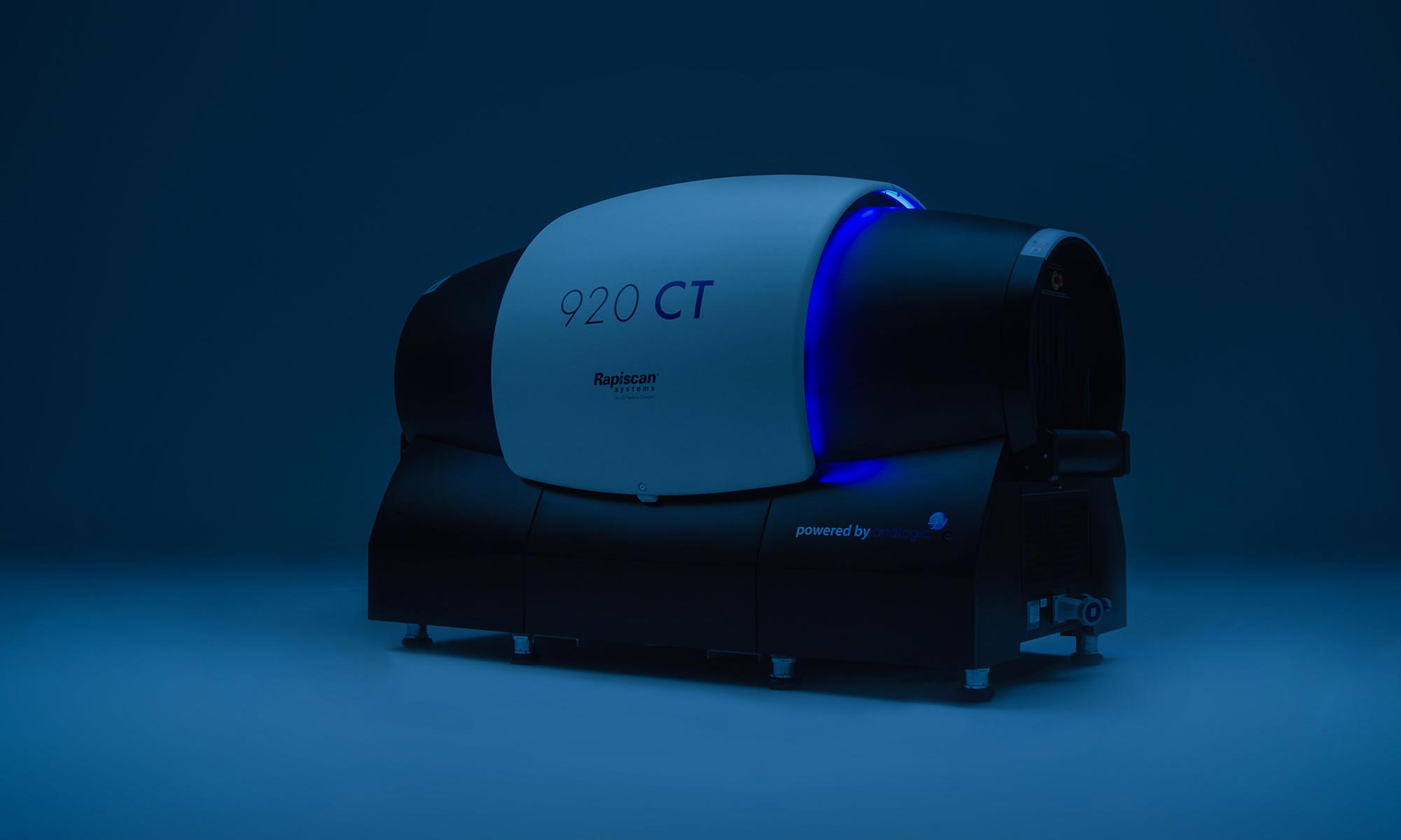
Take Rapiscan’s 920CT. It uses computed tomography, the imaging approach familiar from medicine, to create three-dimensional views of cabin baggage. Operators can inspect an image from different angles; detection software helps identify suspicious material. Rapiscan designed it to work with automated tray-return equipment. The scanner, conveyor, operator, and passenger all belong to the problem.
The promise is fewer interruptions. Rapiscan says the system can support screening with large electronics and liquids left inside bags, where the airport’s approved procedures allow it. That qualification matters. Buying capable equipment does not itself change local security rules. An airport still needs the right approvals, layout, staffing, and operating procedures.
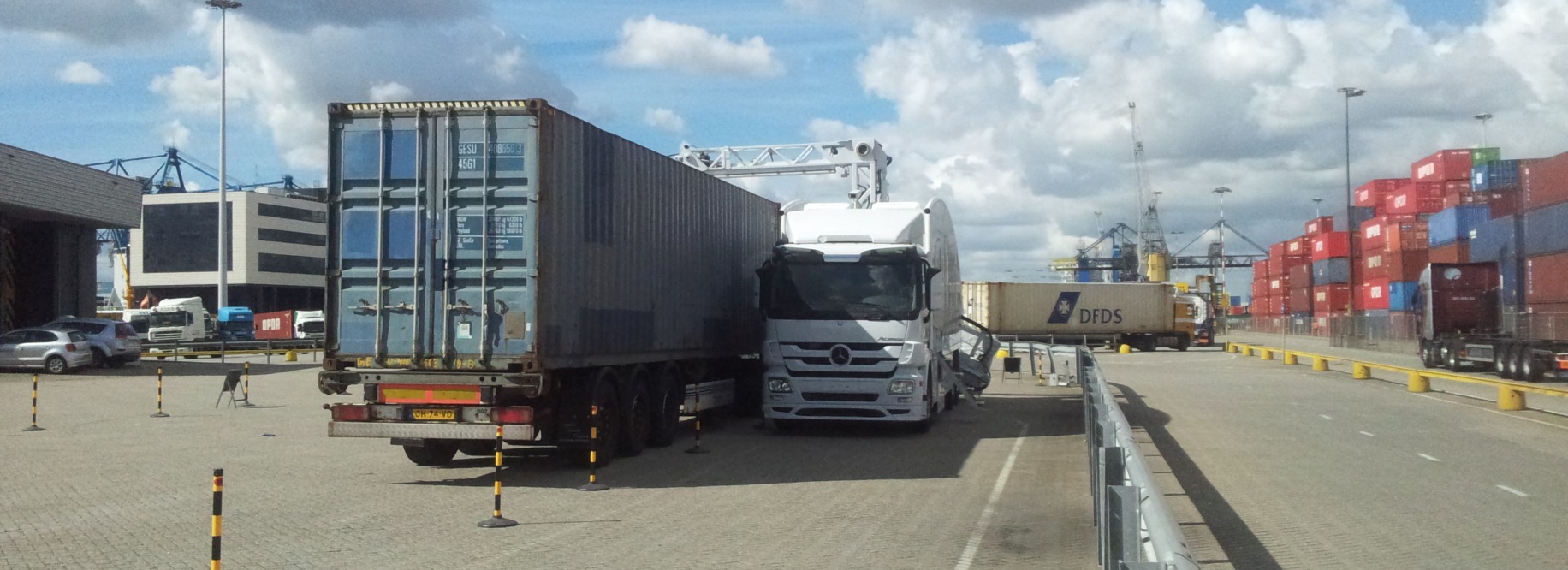
For a customs agency, the unit of work may be a shipping container. For a venue, it may be a visitor. OSI’s security range includes cargo inspection, radiation detection, and explosive-trace detection. Its S2 Global business adds screening integration, training, and operations. The customer is buying an ability to inspect a flow of things without bringing that flow to a halt.
The Indian joint venture ECIL-Rapiscan shows why local presence matters. Rapiscan supplies technology; equipment is manufactured at ECIL facilities, with customers including customs authorities, airports, defense organizations, and police. For an overseas supplier, a technical specification is only one part of reaching a public-sector buyer. Manufacturing and after-sales support have to fit the market too.
That creates several ways to earn revenue: equipment, software, integration, maintenance, and operating services. It also makes service quality part of the product. A machine awaiting a technician can interrupt the whole operation. Smiths Detection, Leidos, and Nuctech inhabit this competitive landscape too. OSI’s breadth and internal manufacturing are advantages to assess, alongside performance, price, approvals, and local support.
- 01DetectSensor + hardware
- 02InterpretImage + software
- 03ActOperator + workflow
- 04MaintainService + support
The factory behind the brand
The less visible business supplies photodetectors, emitters, medical sensors, and custom electronic assemblies. Its customers include manufacturers serving aerospace, defense, medical, and industrial applications. Here, OSI may supply an enabling part rather than put its own name on the final machine. Expertise in design and dependable production is what gets sold.
Owning that capability can improve coordination between component design and finished equipment. It can also give the group choices about where to manufacture. OSI describes a production footprint spanning countries including the United States, United Kingdom, Mexico, India, Malaysia, and Indonesia. Geography brings flexibility, although coordinating factories and complying with different rules remain real work.
The 2004 Spacelabs acquisition makes the logic unusually concrete. OSI announced a roughly $57 million cash deal, subject to adjustments. A later filing reported approximately $47.9 million, net of acquired cash and including acquisition costs. The announcement specifically identified an opportunity to bring outsourced Spacelabs manufacturing inside OSI. The attraction included a recognizable medical business and work for the group’s factories.
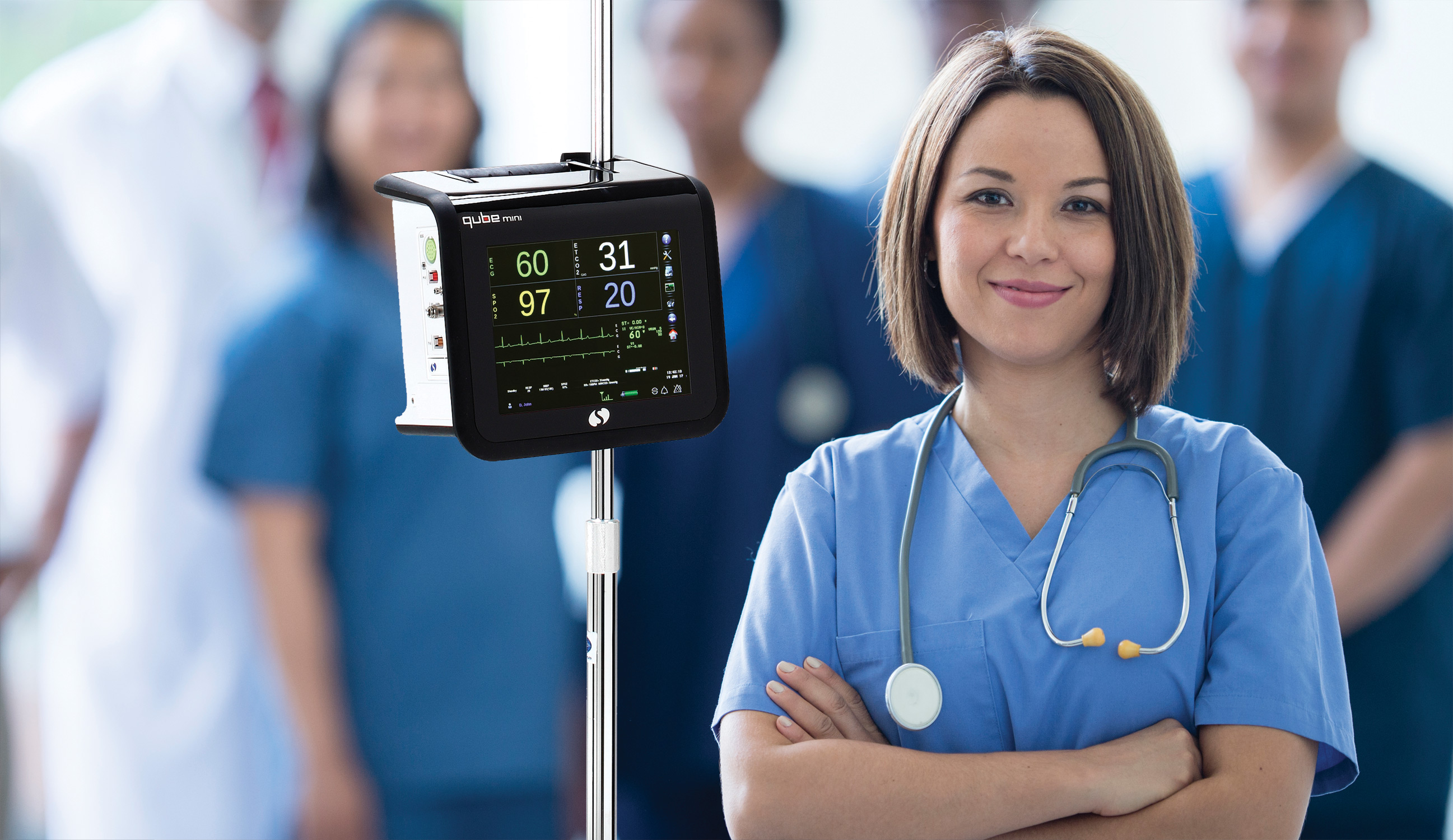
Spacelabs now offers patient monitoring, cardiology, remote monitoring, and connected-care systems. Hospitals need measurements that reach the right people in usable form. The company’s clinical informatics and integration offerings address that surrounding task. Its partnership ecosystem includes Masimo measurement technology, another reminder that even an internally integrated manufacturer depends on other specialists.
The image that cost too much
There is a limit to the argument that better sensing solves the problem. In January 2013, TSA directed the removal of Rapiscan Secure 1000SP body scanners from airports because they could not meet statutory privacy requirements. Rapiscan had been unable to develop and successfully test the required automated target-recognition software.
A DHS inspector general audit put the cost of 251 units and technical support at about $41.65 million. That was the government’s expenditure, not OSI’s removal bill. Rapiscan agreed to cover removal, shipping, sanitization of sensitive information, and storage. Here the requirement that defeated continued airport use concerned how a body image was handled.
A more revealing image can create a less acceptable product.An editorial lesson from the Secure 1000SP case
The distinction is useful for anyone building regulated equipment. Privacy, approval, and operating practice belong in the design brief. They cannot be left for the sales team to explain afterward. OSI’s own published values include acknowledging mistakes; the scanner episode gives that aspiration a concrete test.
Build around the work
OSI began in 1987 under founder Deepak Chopra. Ajay Mehra became CEO in January 2025 after leading Security. Fiscal 2026 revenue reached approximately $1.79 billion, up about 4%. Those figures establish scale; they do not make every market equally attractive or every project dependable.
Even a growing annual total can conceal awkward timing. In its fiscal 2026 results, OSI said Middle East conflicts had shifted certain planned deliveries. A customer can want the equipment and a supplier can have it ready, while the wider conditions still prevent the expected sale from landing in that quarter.
The copyable idea is to understand the work around the device, then decide which capabilities deserve ownership. That approach needs enough technical depth, patient customers, and dependable service to justify its complexity. It struggles when approvals fail, budgets slip, or integration consumes the benefit. For a buyer, the practical question is straightforward: after the machine arrives, who makes the whole operation work?