At a smart-home technology company, enthusiasm for artificial intelligence had produced an unusual inventory: more than 245 tools. Marketing, creative and retail teams were experimenting. Approvals were unclear. Access varied. Leaders encouraged adoption without consistently demonstrating it themselves. The company had plenty of curiosity. Making that curiosity useful across departments was harder.
Onward Search’s published account describes what followed: interviews, surveys, a tool audit and six weeks of practical instruction. A company known for finding people had been asked to untangle the conditions in which people worked. That assignment captures something interesting about its expanding business.
- Specialist recruiting remains the core: creative, marketing, technology and related roles.
- AI services add training, strategy and implementation to the hiring conversation.
- Its useful distinction is flexibility: hire expertise, develop it internally, or bring it in temporarily.
A recruiter follows the work
Founded in 2007, Onward Search grew around digital, creative and marketing talent. Co-founders Ken Clark and Kevin Clark came from a world where connecting an employer with the right professional was itself a valuable service. The firm’s current reach is substantial: it reports more than 3,000 clients served, 20,000 jobs filled and a network exceeding one million professionals. Those are cumulative company figures, rather than a count of people currently on assignment.
Today, its customers include agencies, startups and large corporate teams. Contract placements cover temporary needs; direct hire fills permanent positions. Team staffing, strategic consultants and fractional leaders give employers other ways to obtain expertise. Gaming and extended reality sit alongside familiar disciplines such as copywriting, experience design and software development.

The expansion into AI training, announced in August 2024, followed that same professional territory. Creative teams were being asked to use new tools. Their recruiter could help them learn.
The car that needed no photo shoot
Consider Tweddle Group, which produces technical content and product experiences for manufacturers. Its creative teams needed images of things that were difficult to photograph: generic vehicles, charging stations and concepts for its Advanced Vehicle Assistant. Stock libraries consumed time. Photo shoots strained budgets. Separate experiments with AI yielded inconsistent results.

Onward Search assessed the team’s needs and tailored four workshops. Participants worked on actual client concepts during sessions, then kept recordings and practical guides. The published case reports a 50% reduction in time spent on design projects. It is a client result reported by the vendor, rather than a promise that every design department will halve its schedule.
The current private training offer lists four live, 90-minute sessions, delivered virtually or in person. Pricing is by quote. That format makes the commitment tangible: six hours of instruction, plus the time employees spend applying it.
Too many tools, too little agreement
The smart-home engagement reveals a different obstacle. Employees already wanted to experiment, but lacked shared rules and dependable access. Buying another subscription would have added to an already crowded inventory. Onward’s response included policy review, approved use cases, reusable prompt libraries and live labs built around daily workflows.
Its broader AI enablement offer now includes strategy, engineering, training and talent, with a 30-day sprint as an entry point. The practical attraction is having several possible answers to the same problem. A team might need a specialist developer. It might need coaching. It might need someone to map the work before either decision makes sense.
Managers can copy the sequence without copying the vendor: inventory tools, clarify permissions, choose a real task and practice together. The case also suggests a limit. Training has little room to take hold when people still lack approved tools or leaders leave the new process unused.
Why knowing the job matters
Accessibility provides another explanation for Onward’s positioning. CVS Health needed people who understood how disabled users experience digital services. Onward Search joined the International Association of Accessibility Professionals and developed a specialist practice. Its case study reports more than 120 hires for CVS Health, including over 50 people with disabilities.
“Anyone can recruit talent, but only specialists can understand talent.”
Catherine Sherry / Onward Accessibility
Quoted in the CVS Health case study
That is a useful standard against which to judge any recruiter. Can the person assessing an accessibility engineer explain the work? Can someone placing a game developer distinguish the required experience? Onward’s bet is that familiarity with a discipline improves the search and opens doors to consulting around it.
Aquent, 24 Seven Talent and Kforce offer alternatives across overlapping creative and technology hiring needs. Onward’s combination of recruiting, creative AI instruction and accessibility support gives buyers a particular mix to compare, though specialization alone does not establish that one agency will win every search.
Both sides of the placement
The business sells staffing and professional services to employers. For candidates, one consequential detail is employment structure. Onward says its hourly talent are W-2 employees, receive weekly pay and have healthcare coverage. For a creative professional accustomed to finding projects and chasing invoices, those terms can matter as much as the client’s name.
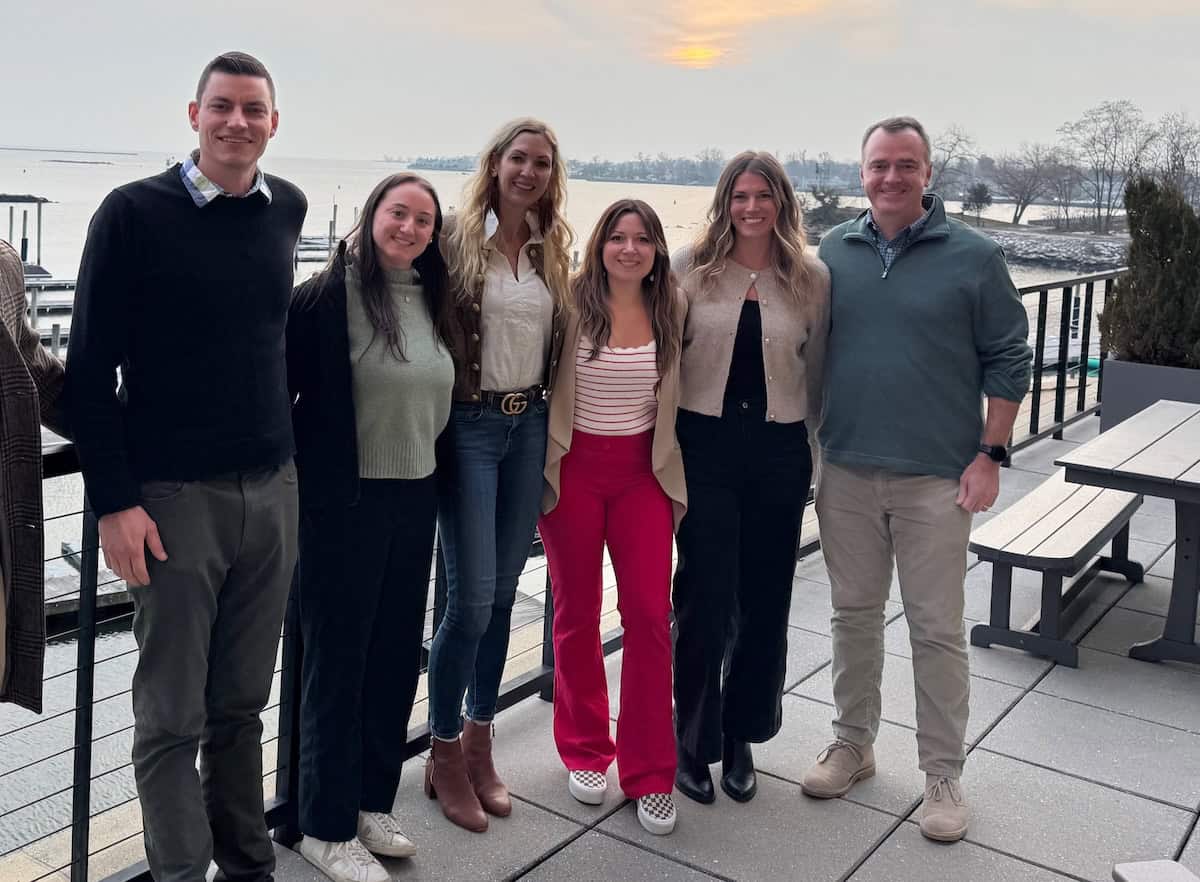
For an employer, the choice of engagement matters. A permanent opening, a short production surge and a temporary leadership gap are different buying decisions. Onward offers a route for each. The buyer still has work to do: describe the assignment, agree on responsibilities and establish what a useful result would look like. That makes this a service relationship requiring a clear brief. The million-person network attracts attention, but a hiring manager ultimately needs a much smaller answer: the person, team or training program suited to this particular job. The breadth of the offering is useful when that answer is still taking shape.
Internally, the company describes career development, management training and women’s leadership programs. In July 2026, it announced ClearlyRated awards for client and talent satisfaction. September brought Kim Shatzer’s promotion to president after 13 years at the firm, with responsibility for growth and the teams serving employers and candidates.
Onward Search now sits within Onward Group Holdings alongside specialist brands serving accessibility, education and behavioral health. Its own proposition remains easiest to understand at the level of a single assignment. Define the stuck work. Decide whether to hire, train or engage help. Then judge the result by what the team can actually do.