The clue was a pair of board shorts. In late 2022, Hurley’s ecommerce growth had softened. The beachwear brand still had customers; what needed attention was the arrangement of stock, merchandise and promotions. Nogin’s account of the project identifies a wonderfully unglamorous discovery: Hurley needed more board shorts. A business devoted to beach life needed to make sure it had enough of the things people wore to the beach.
- The offer: ecommerce technology with a team to operate it, paid through revenue sharing.
- The practical example: Hurley’s stock and promotion changes, with company-reported improvements in 2023.
- The complication: good client results coexisted with financial distress at the supplier.
- The outcome: Chapter 11, a 2024 acquisition, then a 2025 creditor assignment and Chapter 7 liquidation.
That small discovery explains the appeal of Nogin better than the phrase “Intelligent Commerce.” An online shop can have a handsome homepage and still misunderstand its own customers. Software can identify a problem; somebody must change the buying plan, adjust the merchandising and manage the next promotion. Nogin offered to supply both the technology and the people who would act on it.
01 / THE BOARD-SHORT TESTA useful insight needs an operator
According to Nogin’s October 2023 Hurley case study, its team used sales data and Smart Merchandising to align categories and inventory with demand. It also took over the promotional calendar, using testing tools to adjust campaigns. For the third quarter of 2023, Nogin reported year-over-year increases of 17% in gross sales, 28% in gross margin, 29% in orders and 25% in conversion rate.
These are supplier-reported figures, not an independent experiment. Still, the method is intelligible: let demand influence stock, put a named team in charge of promotions, and watch more than the sales total. It gives a retailer something concrete to investigate. “We need artificial intelligence” is a vague purchasing brief. “We keep missing demand in a category customers already want” is a useful one.
02 / RENTING THE DEPARTMENTThe platform came with people
Nogin’s founding history names Jan-Christopher Nugent and Geoffrey Van Haeren and dates the company’s origins to 2010. In 2021, Branded Online adopted the Nogin name after acquiring OneStop Commerce and Zther Interactive. The combined offer brought technical and operating capabilities under one roof. Its stated ambition was to help brands compete with large retailers without reproducing their entire machinery.
“We will continue to innovate the hard stuff, so brands and merchants can focus on what they do best.”JAN-CHRISTOPHER NUGENT / 2021 REBRAND ANNOUNCEMENT
The customers were businesses selling products, particularly apparel and lifestyle brands. Historical names included bebe, Brookstone, Kenneth Cole and Scotch & Soda. These were recognizable brands with trading work to do: catalogs to maintain, shoppers to acquire, orders to service and inventory to manage. Nogin’s proposition suited a company whose online business had become too involved for a small team to comfortably handle.
Its later Intelligent Commerce positioning extended Shopify Plus. Features included customer segmentation, product merchandising, promotion optimization and campaign scheduling. Nogin also marketed edge delivery and caching for faster pages. Around those tools sat performance marketing, retention work, creative production, photography, customer service and marketplace management. A buyer could take a broader managed operation or selected capabilities.
The competitive distinction was the bundle. A brand could use Shopify Plus and assemble its own employees, agencies and apps. It could choose an enterprise commerce platform and arrange implementation and ongoing operations separately. Nogin asked the buyer to consider one supplier for much of that work. Shopify was part of the offer, which makes calling Nogin simply a Shopify rival rather misleading.
03 / THE MOVING BILLZero upfront is a payment arrangement
Nogin described its business model as revenue sharing. Its advertising promised zero upfront replatforming costs, and its Shopify partner listing directed prospective clients to contact it for pricing. The commercial attraction was easy to understand: a brand could avoid writing a large initial technology cheque and hiring every specialist before its new operation produced a sale.
The expenditure did not evaporate. Engineers, marketers and customer-service staff still needed paying. Revenue sharing moved the cost into an ongoing relationship and linked the supplier’s income to trading activity. That can align incentives, but the exact contract matters: the revenue definition, included services, exclusions and exit provisions determine whether the bargain is economical. “No upfront” answers the question of timing. It does not answer the question of total cost.
The same principle applies to expertise. Shared specialists can give a medium-sized brand access to skills it would struggle to keep busy full-time. Nogin’s investor materials described a customer “quarterback” with overall responsibility, supported by fractional staff. The appeal was fewer handoffs for the client. The supplier, meanwhile, had to make the staffing and infrastructure economics work across its accounts.
04 / THE OTHER SET OF ACCOUNTSA better store needs a solvent supplier
Nogin’s corporate finances complicate the neat story. Its 2022 annual report recorded $94.5 million in revenue, down from $101.3 million in 2021, and a $52.7 million net loss. These were total company revenues, including merchandise sales, rather than a clean software subscription measure. Nogin had begun acquiring inventory in 2021 to help clients facing pandemic supply-chain problems. Holding stock made the operation more financially involved than the language of cloud software might suggest.
The company also changed its approach. In August 2023, management said its revenue outlook reflected a decision to exit low-margin relationships. This is a revealing admission: a client account can generate revenue without generating enough contribution to justify serving it. The problem was already visible in the business economics before the formal bankruptcy filing.
Gross proceeds from an equity-and-warrant offering. Chapter 11 followed in December of the same year.
The public-market route had supplied capital too. Nogin completed its SPAC combination in August 2022. The earlier announcement implied a $646 million enterprise value, a transaction estimate rather than money available for payroll. At closing, the company received approximately $58.8 million from the SPAC trust after redemptions, alongside $65.5 million from convertible notes. Debt provided cash and brought obligations with it.
The subsequent April offering did not prevent distress. By September 30, 2023, Nogin reported about $1.9 million in cash. Its quarterly filing also disclosed a refinanced $2 million loan carrying a 34% annual interest rate. Those figures describe financial pressure; they do not isolate one cause. It would be convenient to blame one bad inventory decision or one technology bet. The public record supports a more careful account of losses, financing demands and a business trying to reduce costs.
05 / THE REPRIEVEThe acquisition did not settle the story
Nogin and related companies filed Chapter 11 on December 5, 2023. A restructuring plan was confirmed in April 2024, and a B. Riley subsidiary completed its acquisition in May. B. Riley later recorded approximately $56.37 million in consideration, combining debtor-in-possession financing with cash. Its filings say the restructuring ended branded apparel merchandise sales and eliminated associated inventory and warehousing costs.
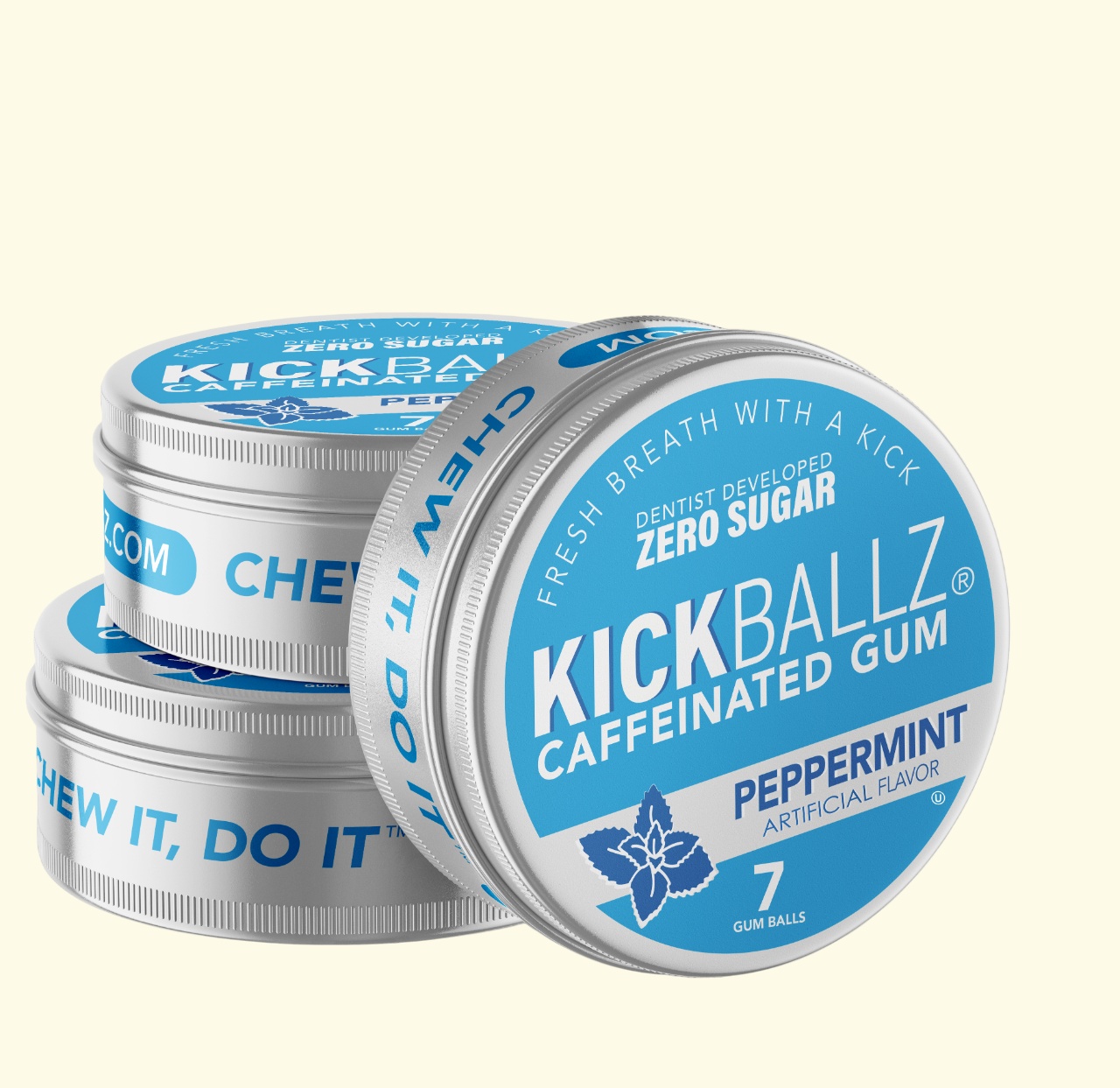
There was still commercial activity to announce. In February 2025, Nogin said it was managing ecommerce for KickBallz, a caffeinated-gum brand. The work included the storefront, inventory planning, development, creative, marketing and marketplace channels. Fashion had supplied the memorable board shorts; chewing gum supplied an equally memorable demonstration of how widely the service could apply.
On March 31, 2025, B. Riley transferred Nogin’s assets to an assignee for the benefit of creditors and stopped consolidating the business. Its subsequent filings reported a creditor-filed involuntary Chapter 7 petition and an order moving the process into liquidation. Management expected no recovery of its investment. The acquisition had provided a reprieve. It had not delivered a durable resolution.
06 / WHAT TRAVELSCopy the method with your eyes open
For a retailer, the transferable idea is practical. Put demand, inventory and promotions into the same conversation. Give someone responsibility for the whole trading operation. Measure margin alongside sales. The board-short example works because it turns analysis into a purchasing decision, rather than leaving it in a presentation.
The limits are just as practical. If a brand already has an effective internal team, a broad outsourced bundle may duplicate expense. If service costs outrun the revenue available to share, neither party can wish the economics into health. And if one supplier runs many parts of the shop, its financial condition becomes part of the brand’s operational exposure. These are implications of the model, rather than a claim that every Nogin customer experienced the same problem.
Nogin understood something useful about commerce: the product page, the promotion and the stockroom belong to one business. Its history supplies the missing addition. So does the balance sheet of the company paid to connect them.