The server is still running. That is the awkward part. Its warranty has expired, its replacement belongs in a budget, and the business owner has other things to buy. An engineer sees an aging machine. The owner sees an expense. Between those two views sits a considerable amount of work: documenting the risk, explaining the timing, and agreeing on what happens next.
Narmada sells software for that work. Its customers are managed service providers, the outside IT teams that maintain other companies’ technology. The platform combines assessments, asset records, budgets, roadmaps, and quarterly business reviews. The interesting thing is the connection between them. A finding can become a recommendation; the recommendation can acquire a price and a place in the plan.
- For MSPs: one workspace for technical reviews and client planning.
- The useful connection: evidence, risks, assets, and budgets belong together.
- The entry point: a free offer for two client environments.
The expensive gap between a finding and a decision
Consider the quarterly business review, or QBR. It sounds like a meeting. In practice, somebody must gather information from ticketing systems, remote monitoring tools, documentation, and cloud services before the conversation can begin. Narmada offers synced data, reusable assessment templates, client dashboards, and generated review presentations to support that preparation.
The virtual chief information officer, or vCIO, supplies the judgment. Narmada is the platform an MSP uses to deliver that service under its own brand. It gives the adviser somewhere to organize the client’s present condition alongside the next year’s priorities. For a smaller business buying outside IT expertise, that is a useful distinction: the software prepares the material; a person still has to explain the choices.
- 01AssessControls + evidence
- 02PrioritizeRisk + lifecycle
- 03PlanBudget + roadmap
- 04ReviewClient decisions
A consultant’s problem, turned into software
Founder Peter Mikula’s consulting business, MITC, describes using its proprietary Narmada platform to deliver vCIO services. That puts the product close to the practical business of advising smaller organizations. MITC’s public service offering includes cloud work, managed IT, and project management: the kinds of engagements where a technical recommendation eventually meets somebody else’s spending priorities.
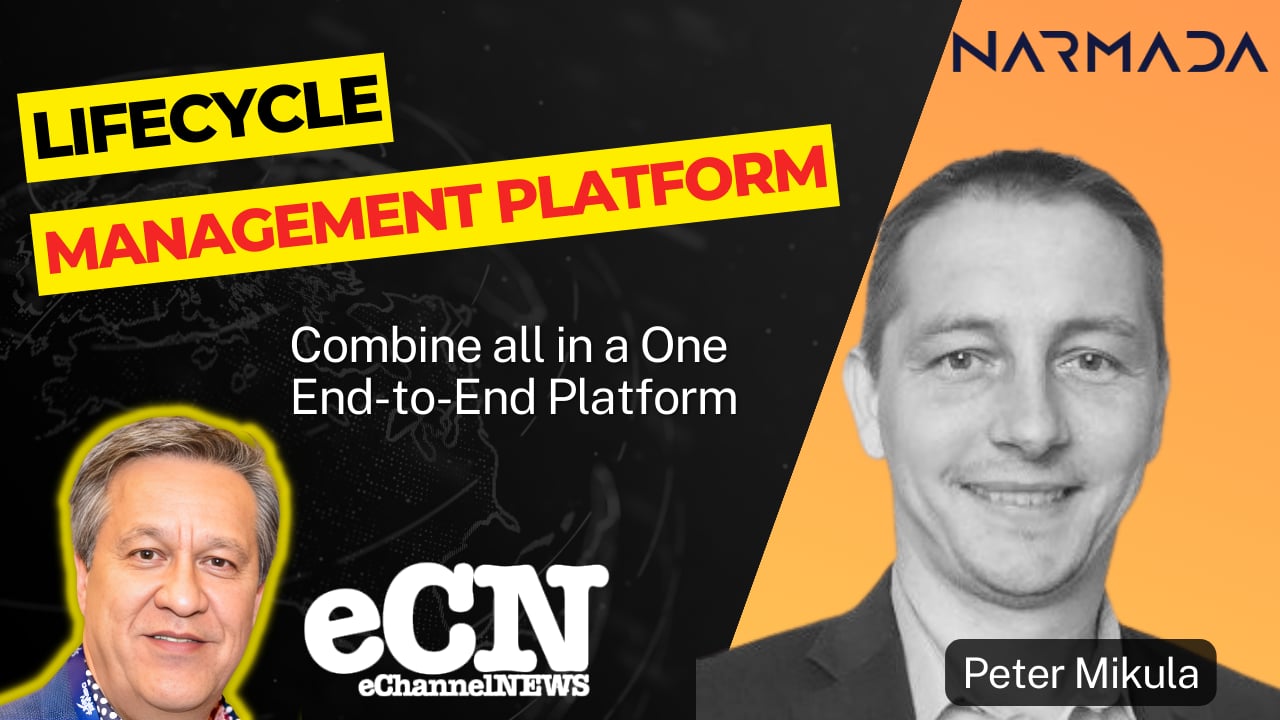
In a June 2024 E-ChannelNews interview, Mikula discussed QBR preparation, compliance audits, and lifecycle management. His advice was to begin with small frameworks and expand gradually. That is a helpful counterweight to software’s temptation to collect everything. A manageable review that gets completed gives an adviser material to discuss. A sprawling assessment still waiting for answers does less for the client.
A checklist with a memory
Narmada’s assessment documentation makes the process unusually tangible. Controls sit inside areas and sub-areas. An auditor can attach evidence, record notes, and score the result. Templates use probability and impact values, together with response weights, to give different findings different influence. A minor housekeeping issue need not carry the same weight as a serious security gap.
There is a pleasingly unglamorous detail: changing a master template does not automatically change assessments already in progress. Those require a deliberate update or redeployment. Historical work keeps its shape. For a team comparing results over time, that matters. Otherwise a changing questionnaire could quietly change what an apparent improvement means.
Probability × Impact
× Response weight
Default recommendations can feed budgets and projects when an auditor marks a control non-compliant. Asset inventory supplies another route into planning: hardware, network equipment, cloud services, and warranties can inform end-of-life tracking and roadmaps. Microsoft 365 views add users, licenses, MFA posture, storage, and device information. The result is a set of connected records an adviser can return to.

Two clients, then the real work
The business model is subscription software. Narmada’s official comparison page advertises a 30-day trial and free use for the first two clients; its terms describe monthly or annual billing. That makes a small evaluation possible without starting with a paid rollout. The practical cost also includes connecting systems, mapping client records, choosing controls, and teaching colleagues how to use the results.
Its market position sits across several familiar categories. CloudRadial competes for the client portal; vCIO tools compete for the advisory workflow; lifecycle products address replacement planning. Narmada’s pitch joins those concerns around assessments and business reviews. Halo independently lists a Narmada integration for QBR automation and ticket synchronization. Buyers should test the exact data and actions their own toolchain requires.
The company also describes its approach as lightweight governance, risk, and compliance. That makes sense where an MSP needs recurring assessments, evidence, and understandable reporting. More demanding engagements still require the right expertise, appropriate controls, and careful verification. A score is an output of an assessment. It needs to survive questions about what was actually checked.
The meeting after the report
Narmada’s blog offers an amusing instruction for a business selling reporting tools: stop making the report the meeting. It proposes that the Q in QBR stand for Questions. Ask about hiring, expansion, operational friction, and forthcoming decisions. Bring the technical detail as supporting material. Use the conversation to learn which findings matter to the client now.
“Questions before recommendations.”
Narmada, on rethinking the QBR
The method is easy to borrow. Start with a short assessment. Gather evidence. Identify the few findings that need leadership attention. Ask what is changing in the business. Agree on an action, an owner, and a date. The approach depends on reliable records and somebody willing to follow through. Without those, even a handsome dashboard becomes another place to postpone a decision.
Return to the server. Its warranty date has not changed. What can change is the conversation around it: whether replacement supports a planned expansion, when the money is available, and who will approve the work. Narmada organizes the material for that discussion. The discussion is where the decision happens.