The penguins had a million downloads. They had costumes, obstacle courses and a marketplace. In September 2025, Mythical Games celebrated Pudgy Party’s first month with the satisfaction of a company whose idea was finding an audience. On June 12, 2026, the game shut down. The interval between those two events contains the most interesting question in Mythical’s business: what, exactly, does a player own?
- Mythical makes games and the infrastructure for trading their digital items.
- Familiar brands help bring players into an unfamiliar ownership model.
- Tradable assets still depend on demand, working markets and playable games.
Usually, buying something in a video game resembles buying a theatre ticket. You receive an experience governed by somebody else’s rules. Mythical wants part of that transaction to resemble collecting trading cards: keep the item, use it, offer it to another player. The difference is a sell button. Building a business around that button has proved considerably harder than adding it.
A resale counter beside the pitch
Founded in 2018, Mythical brought together developers including John Linden, Jamie Jackson, Rudy Koch, Chris Downs and Cameron Thacker. Linden and Jackson had worked on major gaming franchises. Their experience mattered because this proposition required two kinds of competence: making something people wanted to play and operating an economy around what they collected.
FIFA Rivals makes the proposition legible. Released globally in June 2025, it is free-to-play mobile football with arcade action, team building and collectible player assets. A football fan already understands the pleasure of assembling a squad. Trading introduces another decision: whether an item is more useful on your team or in somebody else’s collection.
FIFA subsequently reported more than 2.5 million downloads. The license supplies recognition; adidas content adds familiar football culture. A multi-year OneFootball collaboration supplies another route to fans. These relationships help explain Mythical’s place in the market: a developer of accessible games that also builds the commercial plumbing underneath them.
“Our goal is to create world-class products that drive consumer adoption of distributed ledger technology through games.”Mythical Games · published company mission
Against EA SPORTS FC Mobile or eFootball, FIFA Rivals competes for football fans’ time. Its arcade format and tradable collectibles give it a distinct proposition. For a developer considering Mythical’s platform, the comparison changes: the question becomes whether to integrate existing infrastructure, build a trading system internally, or choose another provider.
The useful invention is less shopping
Consider a player with several unwanted items and one desired upgrade. A conventional shop asks for more money. Mythical’s Quick Trade system lets players bundle items toward another item, coordinating exchange through the marketplace. It addresses a fairly ordinary human preference: people may happily swap possessions while resisting another purchase.
The business earns from purchases and trading fees. In November 2025, Mythical described roughly 44 million cumulative marketplace transactions and said player-to-player trades accounted for over 60 percent of NFL Rivals revenue. Those are company claims about historical activity. Transaction counts, downloads and company revenue measure different things; a busy trading floor does not by itself reveal profit.
For other studios, Mythical offers infrastructure for inventory, payments and secondary economies. Its advertised integration route is REST APIs, with SDKs available on request. Buying that machinery can spare a game team the work of constructing every account, inventory and marketplace connection itself. The developer still has to create reasons for players to return.
The expensive part was the whole system
Mythical raised $150 million in November 2021 at a $1.25 billion valuation. In June 2023, it announced a $37 million first close of its Series C1, with achieving profitability among the stated uses. The money financed a much broader undertaking than a collectible drop: games, infrastructure, staff and distribution.
Acquisition was part of the method. Mythical bought DMarket in January 2023 and used its technology in Marketplace 2.0, including trading and fraud-prevention capabilities. Rather than asking each new game to invent its own exchange, Mythical could reuse a marketplace foundation. Games became demonstrations of the platform as well as products in their own right.
There were early limits. Naavik’s 2022 analysis observed that Blankos Block Party, Mythical’s collectible-toy game, had yet to achieve substantial scale or player investment. Its PC service closed in December 2023 as the company pursued a mobile successor. The NFT inventories then required migration. An ownership record could persist while the place where an item had been played disappeared.
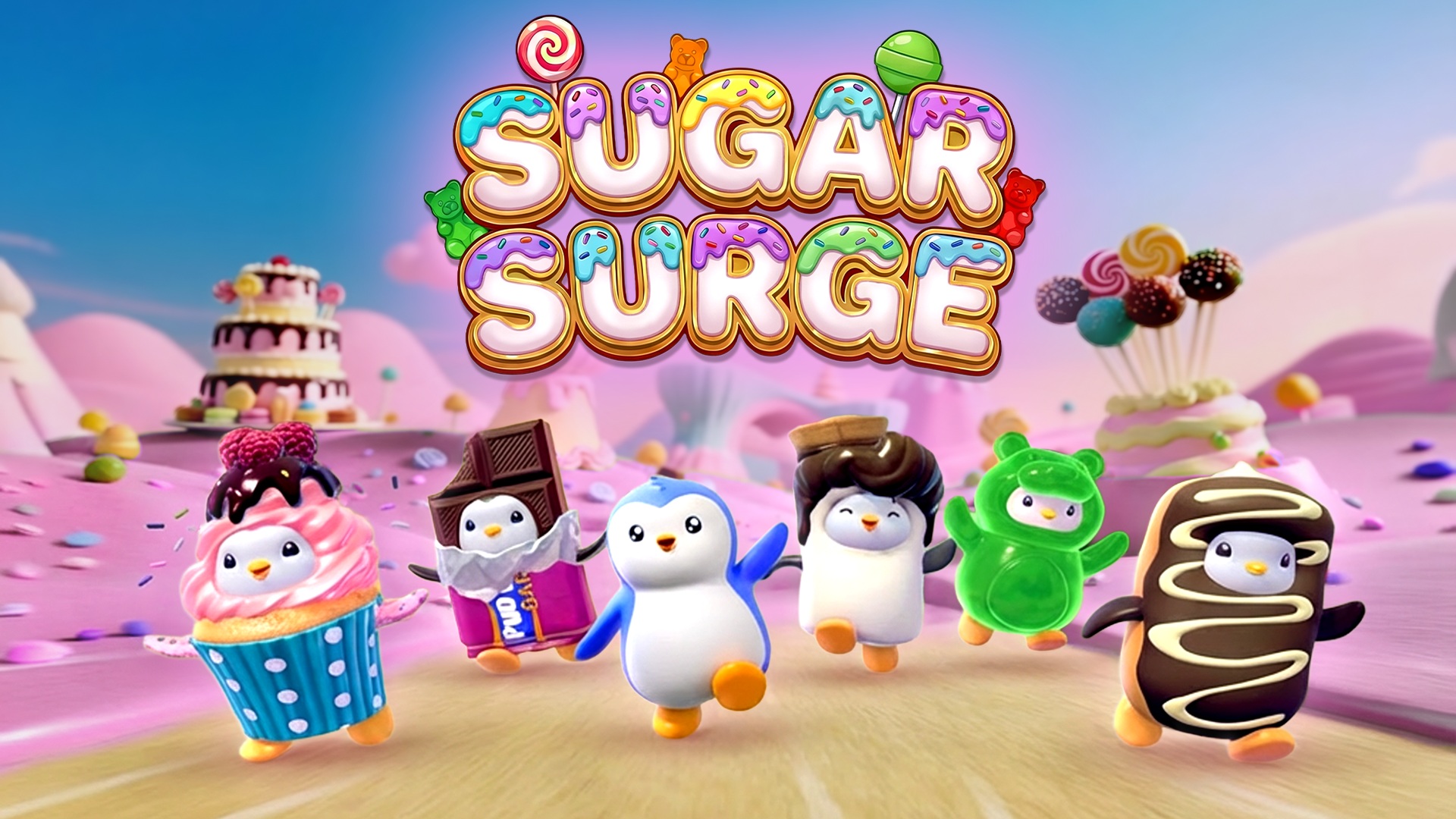
The penguins make the question harder
Pudgy Party tested the same broad thesis with a different audience: quick party-game rounds, recognizable penguins and collectible costumes. It launched globally in August 2025. When it closed the following June, Pudgy Penguins said it was concentrating on Pudgy World, a project it controlled fully. That partner’s decision is the documented change of direction; it should not be mistaken for a confession about every part of Mythical’s strategy.
The marketplace itself also changed. April 2026 guidance outlined moving trading to Pulse Market with prices in USDC. Existing listings required re-listing, accounts required relinking, and FIFA Rivals’ in-game marketplace connection would be unavailable pending its return. Even a system designed to simplify ownership has moments when the customer must do administrative work.
Put the trade where the player is
The transferable lesson is practical: attach a new capability to something customers already want to do. Football fans want a squad. Collectors want an upgrade. A trade works best when reaching it does not require leaving that activity behind. Quick Trade is interesting because it begins with an inventory problem, rather than a lecture about blockchains.
But this model needs willing buyers, balanced progression and continued operation. Sparse demand makes an exchange frustrating. Friction makes it forgettable. A closed game removes a major reason to want its items. Mythical has shown how ownership can become a usable game feature. Keeping that feature valuable requires the slower, recurring work of keeping a game worth playing.