Consider the parking space. For a car driver, finding one is an irritation. For a long-haul trucker, it belongs to a calculation involving rest, distance, fuel and the next delivery. Information about that space has economic value. Now consider a real estate lead: a name in a database that becomes more valuable when somebody follows up. Moatable owns businesses built around both calculations. The connection is easier to see from the working day than from an industry chart.
- Two core businesses: real estate platform Lofty and trucking platform Trucker Path.
- Subscriptions turn recurring work into recurring revenue.
- Revenue is growing. Consistent operating profitability remains unfinished.
The Phoenix company builds and backs software for specific professions. Its principal businesses are Trucker Path and Lofty. One helps drivers plan trips; the other helps property professionals manage customers and sales. Moatable supplies capital, management expertise and shared support. Its bet is that enough useful interventions, repeated often enough, become a subscription somebody keeps.
01A long way from Renren
Moatable arrived here by a circuitous route. Operations began in China in 2002. The holding company was incorporated in 2006 and went public as Renren in 2011. It sold its social-networking business in 2018. After deconsolidating its former automobile business, Kaixin, in 2021, it had a much clearer SaaS identity. That year also brought the move of its global headquarters to Phoenix.
The name caught up in June 2023. Renren became Moatable; later that year, its real estate business, Chime, became Lofty. Founder and chief executive Joseph Chen remained. The result is a holding company whose operating brands matter more to customers than the name above them. A driver needs a dependable route. The corporate genealogy can wait.
02Two professions, the same lost minutes
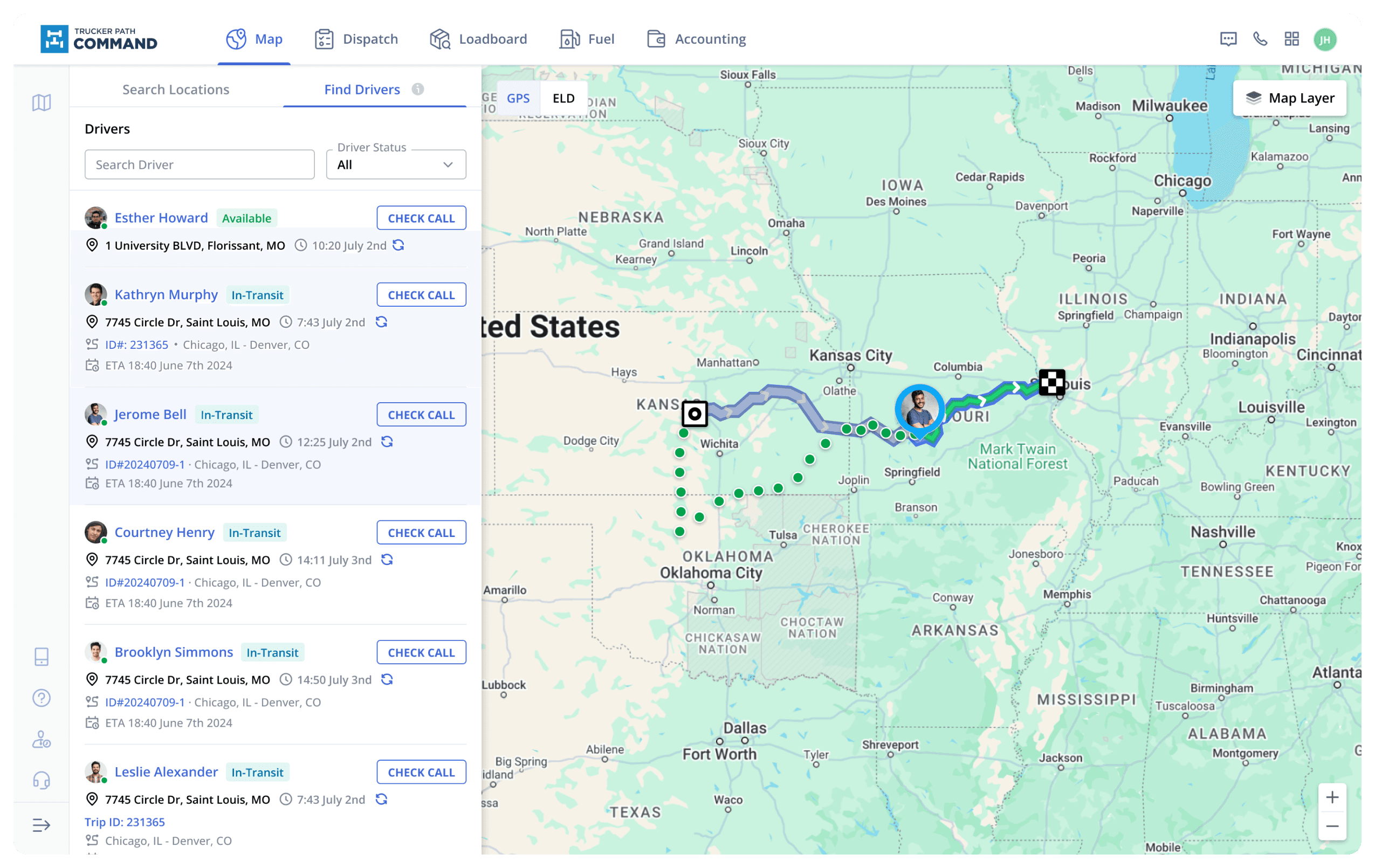
Trucker Path assembles information a general road map can overlook: truck restrictions, parking availability, weigh stations and fuel prices. Drivers contribute observations that make the map more useful to other drivers. Fleet tools extend that information to dispatchers. The company currently reports more than one million monthly active users, a measure of audience rather than paying customers.

Lofty attacks a different collection of handoffs. Its websites capture property interest; its CRM organizes contacts; its marketing workflows keep follow-up moving. The customer might be an individual agent, a team or a brokerage. Lenders can participate through a companion CRM. Its current AI tools are presented as workers inside that system, qualifying leads, booking appointments and producing marketing material.
The contrast with a standalone CRM is breadth: Lofty packages the website, lead generation and follow-up together. Follow Up Boss is one alternative; other real estate suites compete for the same budget. In trucking, the alternatives include dedicated navigation products and separate load boards. Integration earns its keep when it removes a handoff the customer actually dislikes.
03First came the audience. Then came the bill.
Trucker Path supplies the most revealing experiment. Renren acquired control in 2017, after investing earlier. The app attracted drivers, yet struggled to generate cash flow. In a 2020 FreightWaves interview, Chen described earlier spending as too aggressive. The business introduced paid services, including premium driver-app features. What needed fixing was the conversion of usefulness into revenue.
Chen said he initially feared charging for the load board would drive people away. Instead, he reported, the audience grew. That account does not establish that every paywall works. It suggests something narrower: customers may pay when a tool already helps them with an expensive problem. Free usage had established a habit; paid features needed to justify a bill.
Today, the public help center lists Gold navigation at $14.99 monthly and Diamond at $29.99, with annual options. Free features remain. Fleet billing counts driver and operator seats. Lofty takes a different sales route, asking prospects to request pricing for agent, team, broker and enterprise packages. Buyers should price their actual configuration, including the services they intend to use.
“Initially we worried we would lose some members, but the user base increased.”
Joseph Chen · on charging for the load board · FreightWaves, 2020
04Growth has a second column
The financial evidence is encouraging and untidy. Revenue reached $57.7 million in the first nine months of 2025, up 25.4% year over year. Operating expenses were $44.8 million, alongside $14.9 million in cost of revenue. The resulting operating loss was about $2.0 million. More sales had not yet delivered consistent operating profitability.
The customer counts require equal care. At September 2025, Trucker Path had roughly 152,000 paying subscriptions. Lofty had about 3,900 paying accounts and 87,600 purchased seats. Lofty’s accounts declined year over year while seats increased. A brokerage account can cover many people. Counting accounts, eligible users and active drivers as though they were identical would obscure the business.
05The next sale is already in the cab
Once a company has a place in the working day, adjacent services become tempting. In October 2025, Trucker Path publicly launched an insurance division with a reported $7 million trucking book of business. That figure describes the insurance book, not software revenue. The attraction is distribution: owner-operators already using the app are potential insurance customers.
A December 2025 announcement put Trucker Path in Platform Science’s Virtual Vehicle Marketplace. In June 2026, Trucker Path announced more than 50,000 reservable parking spaces. Both developments follow the same logic: put a useful decision closer to the moment somebody needs to make it. Reserving a space goes a step beyond learning that parking might be available.
06Start with the interruption
For another software builder, the transferable idea is specific. Identify a repeated interruption. Put information and action beside it. Keep the useful entry point easy to adopt, then test whether customers will pay for deeper help. Moatable’s stated values of focus and curiosity fit that approach, although a values statement is no substitute for evidence from customers.
There are conditions attached. A suite brings little benefit if its components do not match the customer’s work. A map needs timely information. Automated follow-up needs usable contact data and someone accountable for the relationship. Buyers can test those requirements on one route or one lead pipeline before expanding. Moatable’s opportunity lives in those ordinary trials: whether tomorrow’s work becomes easier enough to warrant another payment.
Take it for a spin
Explore Moatable and its LinkedIn updates. See Lofty’s platform and demos, product announcements, and Trucker Path.
Watch Trucker Path videos and walkthroughs on YouTube, browse its Instagram, or follow its newsroom.