A dentist ordering supplies has two occupations. One requires clinical judgment. The other requires deciding which bill gets paid when, which supplier deserves another order and whether the practice’s credit card does anything useful beyond keeping the transaction moving. The second occupation rarely appears on the diploma. Mercantile has built its business around it.
- Mercantile builds branded business cards for organizations with small-business audiences.
- Rewards can follow a profession’s actual expenses, including suppliers and association purchases.
- Onboard Partners acquired it in 2024; designers and lawyers joined its American Express programs in 2026.
01 / The customer belongs to a club
Start with the professional association. It knows the business owner, collects membership dues and has a reason to make membership useful. A supplier wants access to those same businesses. The owner wants a better deal. Put a card between the three and an ordinary purchase becomes a point of contact for everyone.
That is the logic behind Mercantile’s 2022 public launch. The company worked through industry associations and software providers to distribute customized cards. Its early roster included optometrists, opticians, audiologists and medical practice managers. The proposed advantage was specific: combine small businesses’ purchasing power and negotiate discounts on things those businesses actually buy.
The founding team had reasons to recognize the problem. Index Ventures describes Samuel Poirier’s father as a surgeon with a practice in Québec, François-Xavier Lemire’s family as rooted in private legal practice and Luke Finney’s family as connected to veterinary businesses. Their backgrounds made the expenses familiar. Familiarity, of course, still had to become a product.

02 / Give the reward a proper address
Consider the Academy of General Dentistry card, launched in May 2025. Its announcement offered practice owners up to 5% cash back on Dental Health Products purchases, up to 3% on AGD purchases and up to 2% on other eligible spending. It also advertised no annual fee and unlimited free employee cards. The reward categories name the owner’s professional life.
“Our members are not only healthcare providers but also business owners.”Chethan Chetty, AGD president · June 2025
For a practice owner, the attraction is straightforward: route qualifying expenses through a card whose benefits match them, and track employee spending along the way. The economics still require attention. An attractive supplier reward matters less if the supplier’s underlying price is higher. Interest on a carried balance can consume the benefit. A rewards schedule deserves a calculator, however handsomely it is printed.
One extra percentage point
On the same eligible spending, a 2% reward returns twice the cash of 1%. This illustration excludes interest, fees and supplier price differences.
03 / The association gets a business, too
The partner has its own calculation. Mercantile’s launch described sharing interchange revenue with distribution partners. An association could add a financial benefit, receive spend-linked income and give members another reason to stay. That is the intended mechanism; it does not establish that every program improves retention.
Mercantile also sells the work surrounding the card. Its marketing service covers creative assets, direct mail, digital campaigns and communications triggered by cardholder behavior. The partner’s name goes on the offer, while Mercantile helps introduce it and encourage use. Distribution is an ongoing job. A card left in a drawer has very little to say about loyalty.
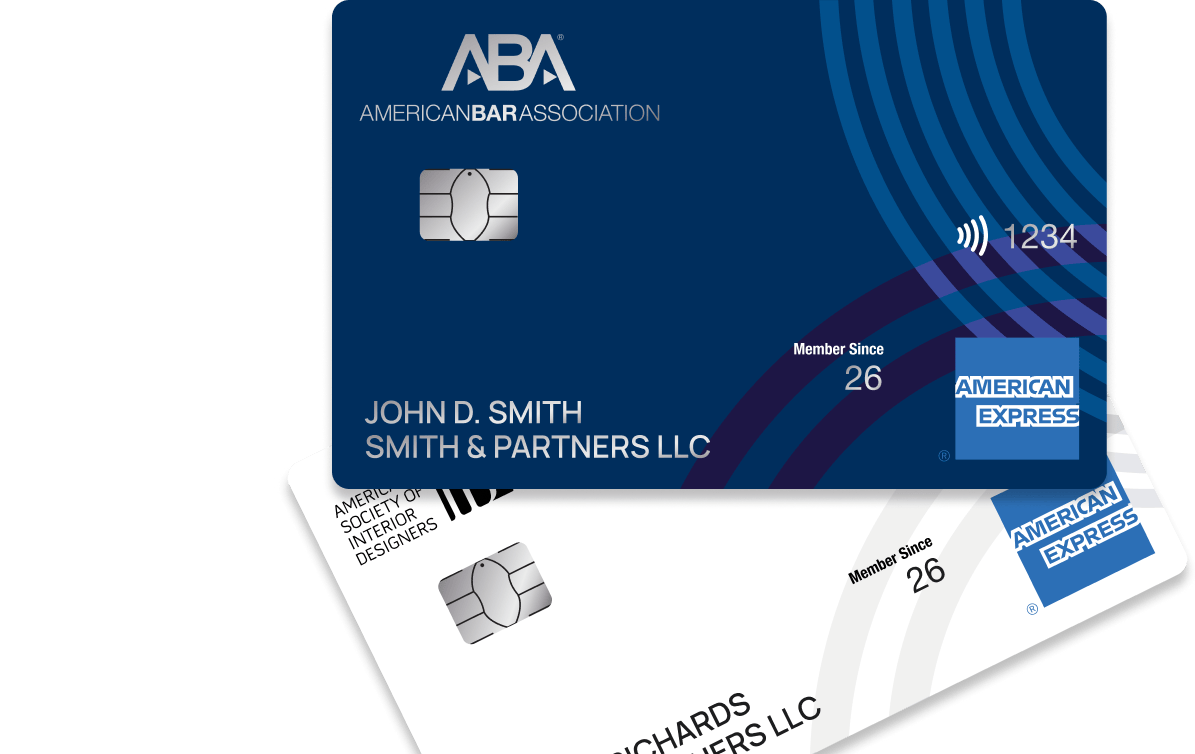
The current platform advertises a ready-made banking and compliance framework, tailored underwriting and launch within 90 days. It reports 25 programs launched. Those are company claims, useful for describing the offer rather than predicting a particular partner’s result. The bank and payment network remain distinct participants: Celtic Bank issues the American Express cards; Hatch Bank issues the Mastercard credit cards.
04 / A younger platform finds an older partner
Building this required capital. The October 2022 announcement disclosed a $15 million Series A led by Index Ventures and approximately $22 million raised overall. The money was earmarked for product development, partnerships and getting the product to market. Funding explains resources available; it is not a measure of customer savings.
Then came the 2024 acquisition by Onboard Partners, announced on December 30. The buyer brought more than four decades of affinity-card experience. Mercantile supplied a younger small-business platform and association relationships. Read together, the announcements suggest a combination of technology, distribution and card-industry operating experience. That is an interpretation of the transaction, rather than evidence of a private change of heart.
The competitive question is practical. A business owner can choose an established bank’s business card; a prospective partner can explore other issuing arrangements. Mercantile’s pitch puts the professional audience at the center of the program. The test is whether that audience receives enough useful, usable value to choose it repeatedly.
05 / From dental supplies to design projects
The newer programs make the expansion tangible. In May 2026, Mercantile announced an American Society of Interior Designers card on the American Express Network. Its Credit LimitShield feature lets cardholders choose a threshold that triggers an automatic payment. For a firm managing project purchases, replenishing available credit is a concrete feature, although the payment still needs funding.
June brought the American Bar Association program for solo practitioners and small firms. The card’s published terms make payment frequency part of the rewards equation: advertised maximum rates include an extra percentage point for paying the entire current balance through weekly autopay. Association purchases also have a specified annual spending cap for their enhanced rate.
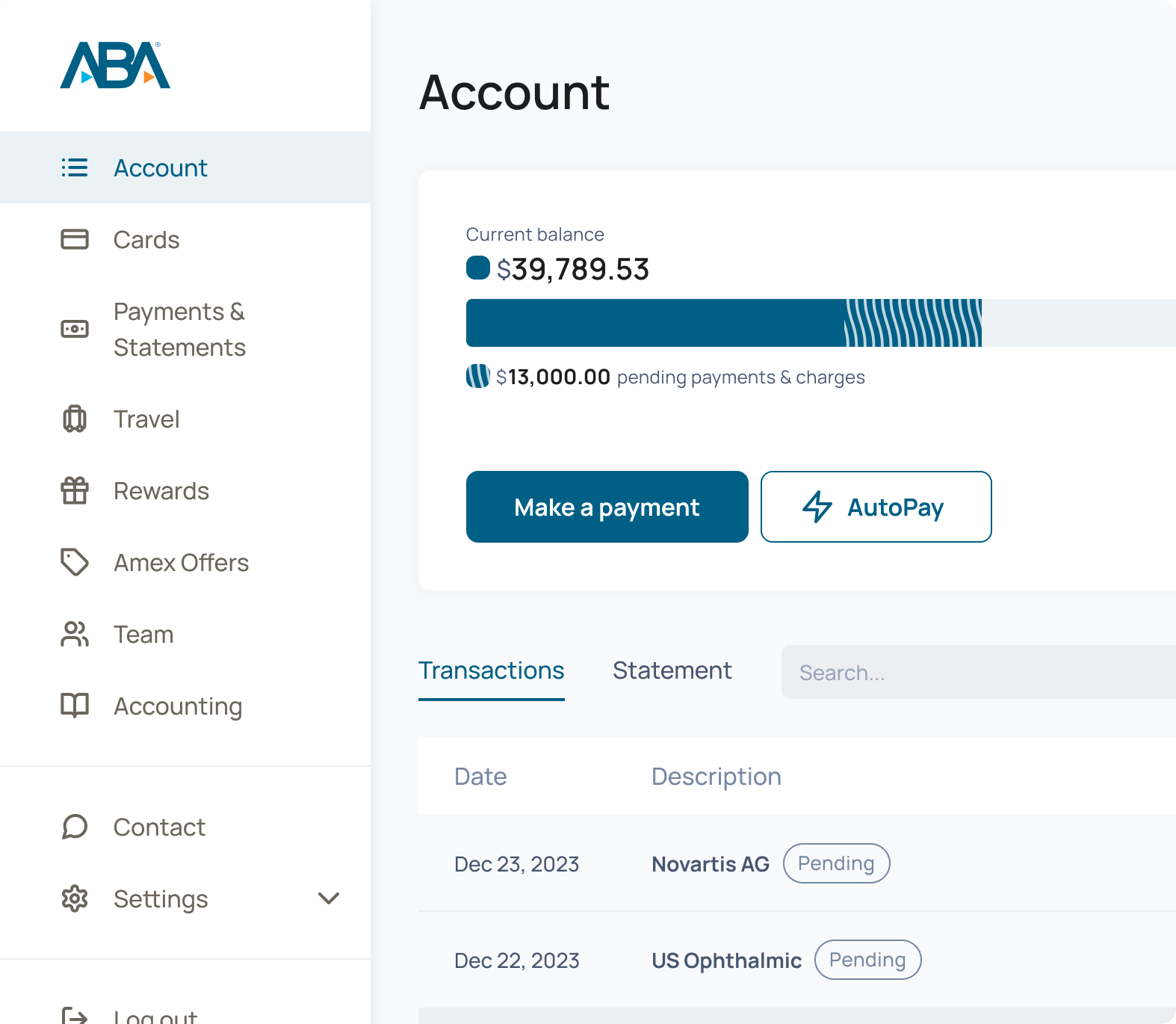
The transferable idea is to begin with shared expenses and an existing relationship. An association can ask what members buy, how they pay and which benefits would earn repeated use. It can then compare a proposed card against those habits. Where eligible spending is scarce, payment timing is awkward or borrowing costs outweigh rewards, the attractive rectangle has a harder job. Specificity earns its keep only when the arithmetic agrees.
Mercantile · Newsroom · LinkedIn · X · Facebook