The Work Now
The founder who wants AI to do the boring 70%
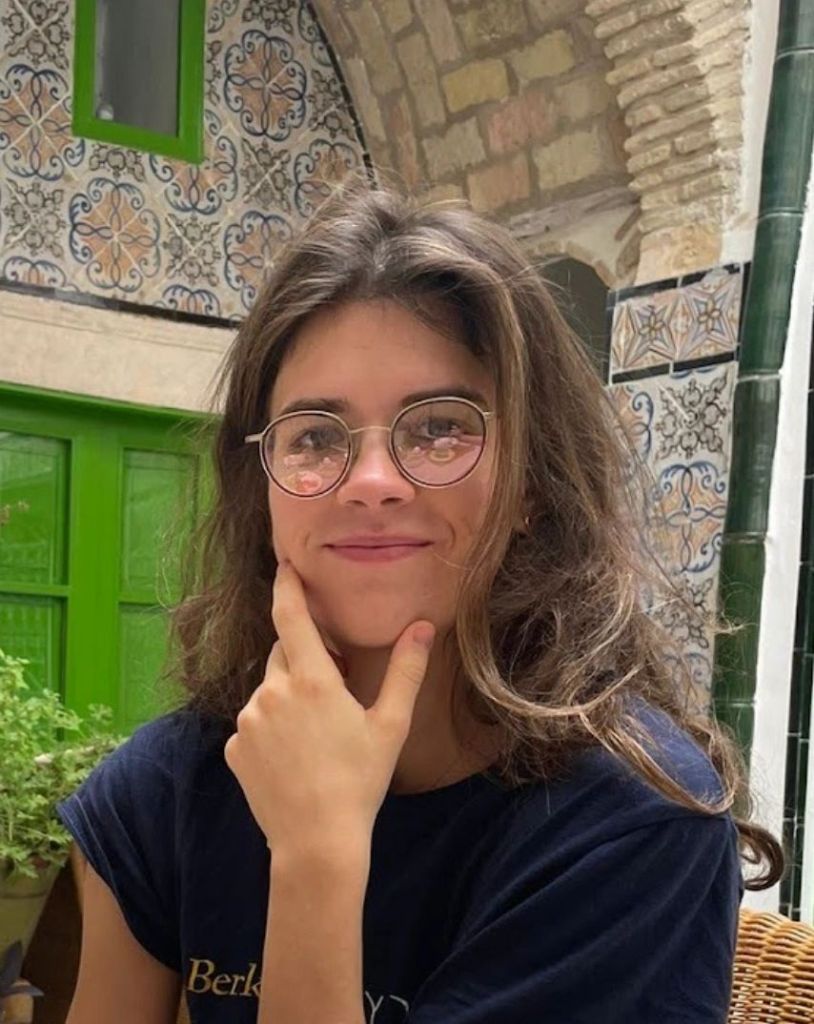
Maria Szandrach runs Mentalyc, a San Francisco company with a deceptively simple product and a wildly ambitious idea behind it. The product: an AI scribe that listens to a therapy session and turns it into a clean, insurance-ready note. The idea: that the paperwork eating a therapist's evenings is not just an annoyance, but a wedge into something bigger - measuring whether therapy is actually working.
Most software founders chase the glamorous part of a job. Maria went looking for the part everyone hates. Therapists love their clients and dread the documentation that follows them home. So Mentalyc took the dread. The AI Note Taker writes the note. The AI Treatment Planner drafts the plan. The AI Progress Tracker watches the arc across sessions. A feature called Alliance Genie even looks at the quality of the therapeutic relationship itself.
She is blunt about where this goes. "I foresee a future where therapy is not only accessible but also effective and efficient," she has said. "AI will be integral, handling over 70% of the process." Note the number. Not 100. Seventy. The remaining thirty - the human thirty - is the whole point.
I am deeply passionate about utilizing cutting-edge technology to reduce human suffering.
- Maria Szandrach
That sentence could read as founder boilerplate. It does not, coming from her, because the through-line is consistent. Every company she has built has sat at the same uncomfortable intersection: mental health, money, and the systems that decide who gets care. Mentalyc is the most refined version of the bet.
The Build
Two strangers, one accelerator, no product
The origin story has no garage and no eureka. It has a program. Maria met her co-founder, the engineer Georgi Urumov, through Entrepreneur First - an accelerator that does something unusual. It puts talented people in a room before they have an idea, and bets they will find both a company and a co-founder. Maria and Georgi found each other first.
He brought a decade in complex data systems, machine learning, and full-stack engineering - the kind of background built handling sensitive data. She brought strategy, product, and a stubborn conviction that the mental-health industry was overdue for a rethink. It was the middle of the COVID pandemic. Demand for therapy was spiking. The tooling underneath it was creaking.
What they did next is the part worth copying. Before building anything, they talked to hundreds of therapists. Not to sell. To listen. The pain point that surfaced again and again was not diagnosis or scheduling or billing. It was notes - the quiet tax on every session. So that is where they started.
How it actually started
- Met at Entrepreneur First with no idea between them
- Interviewed hundreds of therapists before writing code
- Picked the most-hated task on purpose: documentation
- Went through Berkeley SkyDeck; pitched Demo Day in 2022
- Reached full note-taking automation by 2024
The Philosophy
Why she builds slow on purpose
In a category where the default speed is "ship it and apologize later," Maria has said something close to heresy: she would rather grow slower as a founder. Her reasoning is specific to the field. In mental health, over-promising is dangerous. A travel app that overstates itself wastes your weekend. A clinical tool that overstates itself can damage the trust between a patient and the person trying to help them.
So Mentalyc wears its caution as a feature. HIPAA compliant. PHIPA compliant. SOC 2 Type II certified. These are not the lines that make a pitch deck sing, but they are the lines that let a clinician sleep. The company describes its team as "passionate about the health of healers" - a tidy phrase that captures the customer better than any demographic chart could.
Our mission is to empower psychotherapists to deliver the best care possible.
- Maria Szandrach
The long game is not notes. Notes are the entry point. The real aspiration is to reinvent how therapy progress and efficacy get measured at all - turning a famously subjective practice into something a little more legible, without flattening the humanity out of it. Transparent processes. Better clinical decisions. Maybe, eventually, the discovery of treatments that work where others did not.
In Her Words
The quotable Maria
Born in Poland, I've since lived in global hubs like London, Berlin, and California, fueling my insatiable curiosity.
AI will be integral, handling over 70% of the process.
Caring for our environment is more than just a responsibility; it's an act of kindness.
Our mission is to empower psychotherapists to deliver the best care possible.
The Range
Off the clock
The CV reads like ambition: Warsaw, London Business School, McKinsey, San Francisco. The hobbies read like restlessness. Maria rides horses, skis, climbs, dances, and chases water sports - the portfolio of someone who treats a free weekend the way she treats a market: something to explore until it gives up its secrets.
That curiosity is not a footnote to the founder. It is the operating system. She frames her own moves across countries as fuel - "passion for discovering new cultures and perspectives." The same instinct that put her on a horse and a climbing wall is the one that keeps asking whether the way an entire industry works is really the only way it could.