The first thing a public-relations firm usually sells is speech. A statement, a pitch, a slogan, a polished executive with three approved anecdotes. Marathon Strategies sells something that comes just before speech: the right to feel less surprised. Its people map the voices around an issue, investigate the weaknesses in a claim, watch the conversation move, and only then decide what the organization should say. In a business notorious for polishing the answer, Marathon has built its identity around improving the question.
Phil Singer founded the firm in New York in 2008 after more than two decades in political and corporate communications, including senior roles with Chuck Schumer, Hillary Clinton, and John Kerry. Political campaigns leave their alumni with a particular nervous system. Time is scarce. Opposition is not theoretical. A message has to survive contact with voters, reporters, rivals, and the facts. Marathon carried that nervous system into corporate reputation, policy, crisis work, and digital media.

Today, more than 70 people work across New York, Washington, and Albany. The cast is deliberately mismatched: former campaign operatives, journalists, researchers, government aides, lawyers, television producers, digital analysts, designers, and crisis counselors. The point is not eclecticism for its own sake. It is to keep the investigator close to the writer, the writer close to the media strategist, and the media strategist close to the person buying the ads.
The reset
A stuck campaign needed a different villain
The best illustration came from a campaign that had already been running for nearly a decade. New York's Medical Aid in Dying Act had stalled year after year. Compassion & Choices and thousands of advocates had done the hard policy and organizing work, but some campaign materials had drifted into an antagonistic frame. Lawmakers appeared as obstacles. That may have expressed the advocates' frustration. It did not make hesitant legislators eager to enter the conversation.
Marathon helped reset the brand and language during the 2024 and 2025 sessions. The focus moved from confrontation to the lived experience of terminally ill New Yorkers: dignity, love, bodily autonomy, and choice. Patient stories became the center. Print and digital material acquired one visual system. Targeted ads reached decision-makers and the people around them through social, video, native, and display channels.
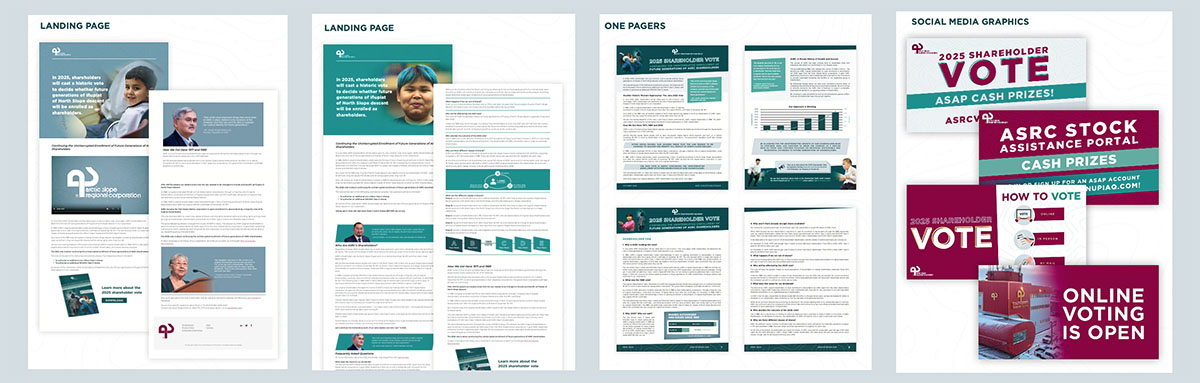
The change was not a magic phrase, and Marathon was one participant in a much larger coalition. Still, the sequence is instructive. The New York Assembly passed the bill 81-67 in spring 2025, its first successful Assembly vote in ten years. The Senate followed 35-27 on June 9. Governor Kathy Hochul signed it on February 6, 2026.
Map
Find the actors, anxieties, channels, and pressure points.
Test
Put language in front of the people it must persuade.
Frame
Choose a human idea that the evidence can support.
Move
Match media, creative, and timing to a specific action.
Proof, not applause
Six hundred people before twenty-three million impressions
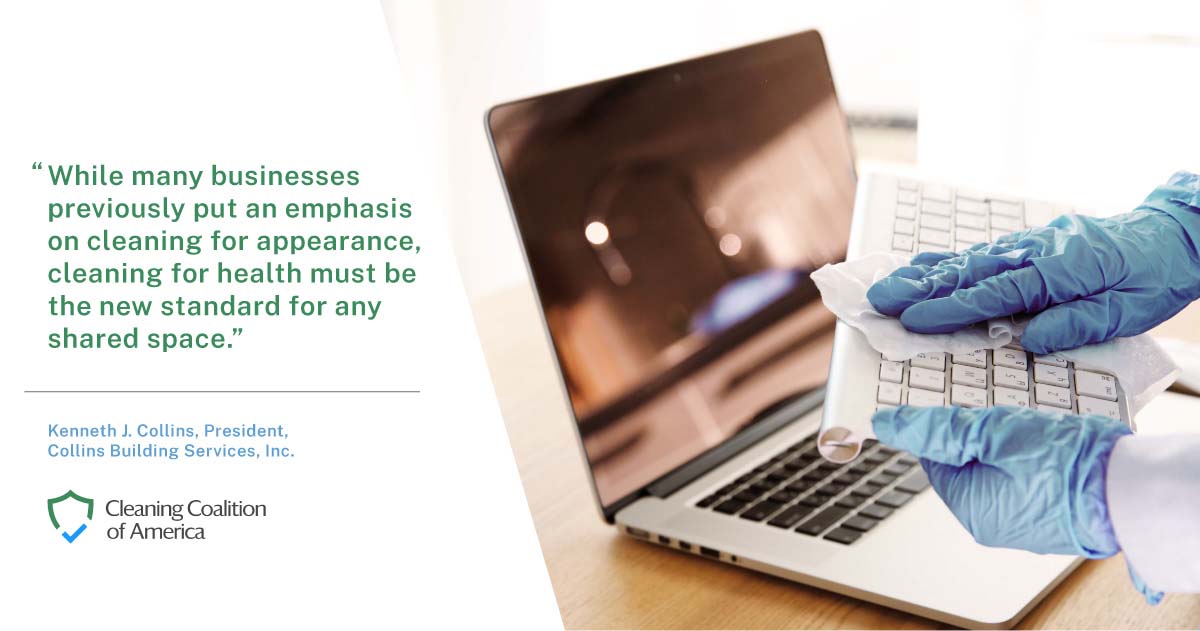
During the pandemic, major cleaning companies formed the Cleaning Coalition of America. The industry had expertise and an urgent subject, but not yet a recognizable public voice. Before Marathon's campaign went wide, its team tested creative with more than 600 decision-makers in aviation, commercial real estate, healthcare, and education. Then came the media buy across Facebook, LinkedIn, search, programmatic placements, and premium content, presenting the coalition as an authority on clean.
The campaign exceeded its impression goal by 20 percent and produced a 1,200 percent increase in website users compared with the three months before launch. The numbers are agency-reported, but the order of operations matters more than the trophy case. Test first. Spend second. The temptation in digital communications is to mistake distribution for knowledge. Marathon's method is to purchase distribution only after it has purchased some confidence.
One roof, six doors
What clients are actually buying
Marathon is a private professional-services business. It sells projects and ongoing counsel rather than a software subscription, and it does not publish a rate card. The addressable problem is broader than publicity. A Fortune 100 company may need an executive narrative. A startup may need market credibility. A trade group may need lawmakers to understand an economic argument. A university may need to anticipate the next reputational attack. An advocacy coalition may need people to vote.
Those clients enter through six doors: corporate communications, public affairs, crisis and issues management, competitive intelligence, digital strategy, and creative execution. Behind those labels are practical outputs - risk audits, coalition plans, media outreach, stakeholder maps, due diligence, social listening, paid targeting, search and AI-discovery work, brand systems, animation, and video. In 2025, the in-house production team won nine Telly Awards. The research operation produces public-facing work too, including recurring analysis of “nuclear verdicts,” jury awards of $10 million or more, as both legal and reputational events.
That integrated model is the competitive claim. Large global advisory firms offer reach and executive access. Political boutiques offer policy fluency. Creative agencies offer the work people can see. Research firms offer the findings they cannot. Marathon's wager is that a client with a consequential, contested issue would rather not shuttle the same problem among four vendors.
Steal this carefully
The playbook works when the client can change its mind
A smaller organization can borrow much of the method without copying the whole agency. Write down the decision you want, not merely the attention you want. List the people capable of making or blocking it. Interview or test with a credible sample before polishing the campaign. Search for the frame that gives the skeptical audience a dignified way to engage. Build one evidence base that the press release, video, executive interview, and paid ad can all withstand. Measure action and message penetration, not just reach.
There are limits. The approach is a poor fit when the underlying claim is weak, when facts cannot be substantiated, when leaders want validation rather than counsel, or when an audience cannot be meaningfully identified. It also cannot make an unpopular tradeoff disappear. Research can expose the source of resistance; creative work can make a choice legible; media can distribute the argument. None can repeal reality.
Conditions that help
- A specific audience and decision
- Claims supported by evidence
- Time to test before launch
- Leaders willing to revise the message
Conditions that resist
- A demand for instant applause
- An unfixable product problem
- No access to decision-makers
- A favorite slogan treated as sacred
Marathon's name suggests endurance, but its more distinctive habit is diagnostic. A stalled bill, an unknown coalition, a vulnerable institution, a giant jury award - each arrives looking like a communications problem. The firm starts by asking whether it is actually an information problem. Sometimes the answer is a report. Sometimes it is a new frame, a stakeholder coalition, a simulation, a mailer, or a 24-part video series. The microphone comes later.