Before Māoriland had a building, it had a caravan. The founders could not afford the several thousand dollars a highway billboard would cost, so they gave an old caravan festival branding. It advertised the event, sold tickets and offered elders somewhere to drink tea. In the economics of a new film festival, a cup of tea could share premises with the marketing department.
- A Māori-led organisation joins film presentation with training and production.
- The Ōtaki hub keeps the work going between annual festivals.
- Young creatives can progress from workshops to professional film projects.
The billboard had wheels
The route to that caravan ran through The Lawnmower Men of Kapu, Libby Hakaraia’s short film about life at a marae. ImagineNATIVE and Sundance initially declined it. A Wairoa audience award and subsequent international screenings suggested there was an audience after all. Hakaraia and producer Tainui Stephens saw a possibility: bring filmmakers to Ōtaki, and build career opportunities around the screenings.
The first festival followed in 2014. Libby, Tainui, Tania and Pat Hakaraia, and Madeleine Hakaraia de Young formed its founding group. These were people with family and community connections as well as production ambitions. Their proposition was specific: Indigenous stories, presented from a Māori point of view, in a town where the people telling them could meet.
A department store changes careers
A festival creates a deadline. A building creates somewhere to return. Māoriland Charitable Trust formed in 2016; the following year, the organisation moved into the former Edhouses department store. It bought the building later in 2017 with a Lotteries grant and community support. The shop had closed after 91 years. Its floor space acquired an entirely different inventory.
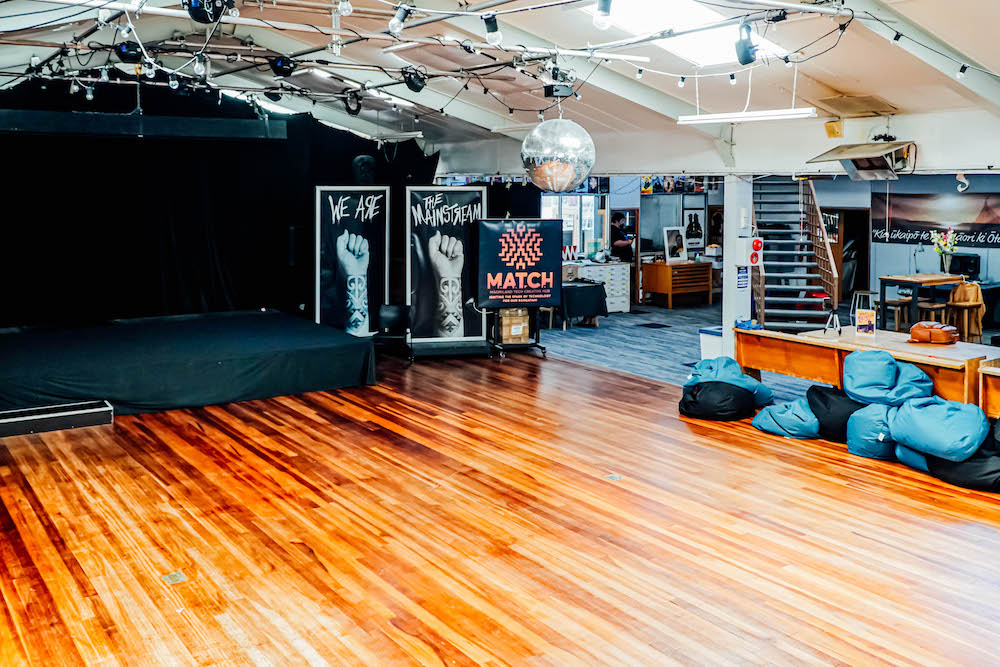
The Māoriland Hub hosts film, visual arts, music, performance and conversations throughout the year. Toi Matarau Gallery exhibits and sells Māori and Indigenous art. For a visitor, this means there is a reason to enter between festivals. For an artist, it means an exhibition, a performance or a workshop can happen within the same organisation that brings filmmakers into town.
That combination places Māoriland across several markets. It is a cultural destination for audiences, a platform for artists, a training environment for rangatahi and a production partner for screen creatives. Buying art and developing a feature film are very different transactions. The common resource is a place where relationships can continue.
Give the meeting a deadline
Consider NATIVE Slam, launched in 2016. Indigenous filmmakers collaborate on a short film over 72 hours. The rules permit one camera at a time and available light; spending on costumes, sets and props is prohibited. Titles must use a Native language, and films must include some untranslated Indigenous speech. Creative and managerial control remains Indigenous.
“Every film must heal.”
One of NATIVE Slam’s guiding principles
That last instruction asks something different from a conventional speed-filmmaking contest. The constraints concern who controls the work and what the work does, as well as how quickly it is finished. A networking event can end with exchanged numbers. Here, participants have a film to complete together. The practical lesson is to give collaboration an object and a deadline.
Available light. Indigenous creative control. A finished film to screen.
The festival stopped. The work moved.
In March 2020, the festival was called off after one day as COVID disrupted travel and gatherings. Rangatahi filmmakers had already arrived to help. Māoriland’s producers and mentor Aree Kapa began considering what those young people could make instead. The resulting Ngā Pakiaka Incubator Programme selected eight stories for development with professional support.
This built on earlier experience. Young people had curated screenings, made their own films and taught peers through workshops. BUB, made with professional cinematography support, reached imagineNATIVE in 2019. The incubator extended that progression: scripts, mentoring, actors and crews. Support came from the New Zealand Film Commission, Sundance and a Boosted fundraising campaign.
The wider training offer includes M.A.T.C.H, the Māoriland Tech Creative Hub, which develops skills in animation, filmmaking and game development. Peer learning has a practical advantage here: young people can begin by working with people their own age, then encounter professional practice through projects. Confidence gets somewhere to be used.
- WatchFestival screenings
- TryRangatahi workshops
- MakeMentored production
- DevelopFeature-film labs
Different programmes offer different entry points. This is a route through the offer, not an automatic progression.
The 2026 Indigenous Co-Lab takes development further. Six selected teams from Aotearoa, Australia and Canada entered a programme linking a paid writers residency with pitch packaging and a directing lab. Its intended outputs are concrete: an advanced script, a professional package and a proof-of-concept scene. This is for eligible teams with developed feature projects, rights and relevant experience; a first-time visitor needs a different door.
An ogre, a bathhouse and a language
Māoriland Films also works on Māori-language adaptations. Its work with DreamWorks on Shrek shows that the organisation’s screen interests extend beyond festival discovery. In October 2026 it announced Spirited Away in te reo Māori, with Studio Ghibli, Crunchyroll and other partners. The planned December premiere is on Whakaata Māori and MĀORI+, followed by the 2027 festival.
There is an appealing economy to this approach. A familiar story gives audiences a reason to watch again; the new language version gives that repeat viewing another purpose. Broadcasting and streaming carry the work beyond the festival’s seats. Language revitalisation becomes something a family can put on the screen.
The price of keeping the doors open
Māoriland combines charitable support, grants, partnerships and sponsorship with ticketing, gallery and merchandise sales. A published Te Māngai Pāho allocation lists NZ$25,000 for the 2024 festival. That figure is one contribution, rather than the cost of running the event. Different activities need different supporters.
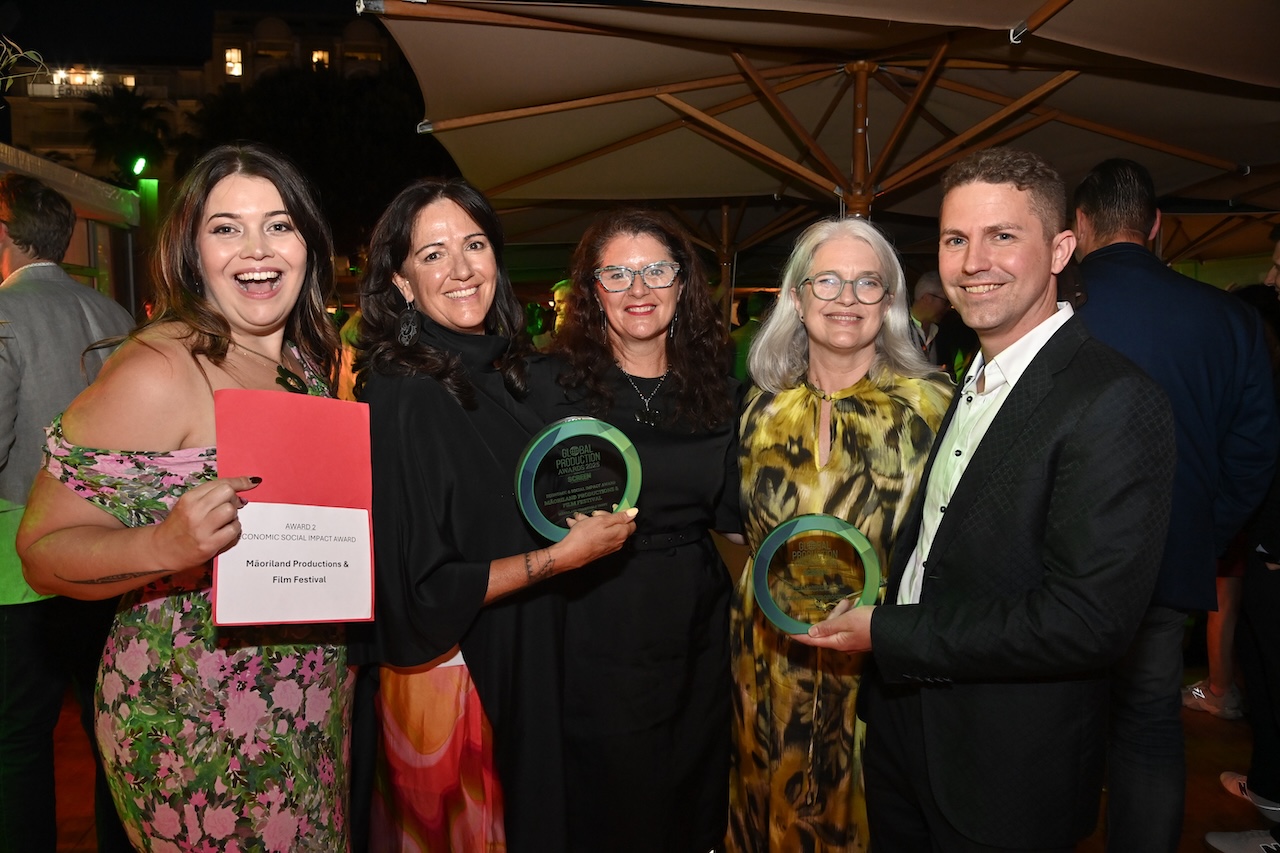
The organisation won the Economic and Social Impact award at the 2025 Global Production Awards in Cannes. Later that year, its account in the Ōtaki press described continuing funding pressure. Recognition and operating money follow different timetables. Maintaining a venue, training people and supporting production requires continuing resources and trusted local relationships.
The idea other organisations can borrow is the connection between activities: let audiences discover stories, let young people try making them, and give developing filmmakers experienced collaborators. Copying that requires more than scheduling extra events. Māoriland’s next festival, announced for 16-21 March 2027, will bring people together again. The work between those dates is what gives the gathering somewhere to lead.
Step inside the house of stories
Explore programmes, plan a visit or follow the work.
Māoriland website ↗Film festival ↗Toi Matarau Gallery ↗Indigenous Co-Lab ↗Film submissions ↗Instagram ↗Facebook ↗Twitter / X ↗LinkedIn ↗Spirited Away announcement ↗Casting and audition guide ↗